AR
 CS
 NL
 FR
 DE
 EL
 HI
 IT
 JA
 KO
 NO
 PL
 PT
 RU
 ES
 SV
 TL
 IW
 ID
 SR
 UK
 VI
 MT
 TH
 FA
 AF
 MS
 GA
 HY
 AZ
 BN
 LA
 MN
 KK
 UZ
 KU



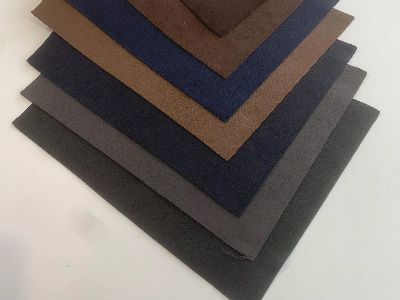
When considering a bulk purchase of faux synthetic leather, it is crucial to understand how to test its durability effectively. Faux synthetic leather, such as PU, Microfiber, Silicon, and Vegan leather, is commonly used in various applications, including furniture, automotive interiors, shoes, and bags. For B2B buyers, the main concerns revolve around ensuring the material's longevity, cost-effectiveness, and suitability for specific applications. This article will guide you through essential considerations for testing the durability of synthetic leather before making a significant investment.
Key Specifications to Evaluate Before Bulk Purchasing Synthetic Leather
When testing the durability of faux synthetic leather, several key specifications should be evaluated to ensure the product meets your requirements.
Thickness: The thickness of the material can significantly impact its durability. Thicker materials generally offer better resistance to wear and tear, making them suitable for high-use applications like automotive seats or furniture upholstery.
Tensile Strength: This specification measures how much force the material can withstand before failing. A higher tensile strength indicates better durability. Conduct a tensile strength test to compare different samples, which can help identify the most resilient option.
Abrasion Resistance: This is particularly important for polyurethane synthetic leather used in high-contact areas. Use standardized testing methods like the Martindale test to evaluate how well the material holds up against friction over time.
Water Resistance: If the synthetic leather will be exposed to moisture, test its water resistance. Look for materials treated with anti-mildew properties, which can enhance longevity in humid environments.
Color fastness: Evaluate how the material reacts to light and washing. A color fast synthetic leather will maintain its appearance longer, which is crucial for products like bags or upholstery that are frequently exposed to sunlight.
Fire Resistance: Depending on the application, fire-resistant properties may be essential. Verify that the material meets relevant fire safety standards, particularly for use in public spaces or vehicles.
By closely evaluating these specifications, you can ensure that the synthetic leather you choose will meet the long-term durability requirements for your specific application.
Cost Factors to Consider When Buying Faux Synthetic Leather in Bulk
The cost of faux synthetic leather can vary widely based on several factors. Understanding these can help you make informed purchasing decisions.
Material Type: Different types of synthetic leather, such as PU, Microfiber, and Vegan leather, come with varying price points. PU leather tends to be more affordable but may not offer the same durability as Microfiber. Evaluate the material against your budget and performance needs.
Order Quantity: Bulk purchasing typically comes with quantity discounts. Be prepared to discuss your expected order volume with suppliers to negotiate the best price. However, consider the total cost of ownership, including potential waste from over-ordering.
Customization: If you require custom colors, textures, or finishes, this can increase costs. Be clear about your specifications upfront to receive accurate quotes from suppliers.
Shipping and Handling: Factor in shipping costs, as these can significantly impact the overall price. Depending on your location and the supplier’s location, shipping times and costs can vary.
Quality Certifications: Ensure that the product meets specific quality certifications such as USDA and GRS. While certified materials may come at a higher cost, they often provide better performance and sustainability, which can be advantageous in the long run.
Maintenance Costs: Consider the long-term costs associated with maintaining the synthetic leather. Some materials may require specialized cleaning solutions or treatments, which can add to your total cost.
By considering these factors, you can arrive at a more accurate understanding of the total cost of faux synthetic leather, helping you make a more informed purchasing decision.
How to Identify Common Problems with Faux Synthetic Leather?
Identifying potential problems with faux synthetic leather before bulk purchasing is essential to avoid costly mistakes. Here are some common issues to watch for:
Peeling or Cracking: One of the most common problems with synthetic leather is peeling or cracking, particularly if the material has been poorly manufactured. Inspect samples for signs of these issues, especially at stress points.
Inconsistent Texture: When evaluating samples, ensure that the texture is consistent across the material. Inconsistencies can indicate manufacturing defects and may affect the product's overall aesthetic and durability.
Fading: Check for color consistency and fading in samples. A material that fades quickly under exposure to light may not be suitable for products intended for outdoor use.
Odor: Some synthetic leather fabric may emit unpleasant odors due to the chemicals used in their production. Test for any off-gassing by evaluating the samples in a well-ventilated area.
Environmental Impact: Verify that the product complies with environmental standards. Faux leather should ideally be made from eco-friendly materials and processes to align with sustainability initiatives.
Warranty and Return Policy: Before finalizing your order, inquire about the supplier's warranty and return policies. A reputable manufacturer should offer guarantees on their products, which can provide peace of mind in case of defects.
By being vigilant about these common issues, you can avoid pitfalls and ensure that your bulk purchase of synthetic leather meets your quality expectations.
Installation Guidelines for Faux Synthetic Leather in Various Applications
Installing faux synthetic leather requires attention to detail to ensure optimal performance and longevity. Here are some installation guidelines for different applications:
Furniture Upholstery: When using synthetic leather for upholstery, ensure that the foam padding beneath is compatible with the material. A proper adhesive should be used to secure the leather, as some glues can react adversely with synthetic coatings.
Automotive Interiors: For automotive applications, it's essential to use materials that meet specific automotive standards for durability and safety. Ensure that the installation fits snugly and that seams are reinforced to prevent tearing.
Footwear: In footwear manufacturing, ensure that the synthetic leather is flexible enough to accommodate movement. Use appropriate stitching techniques to enhance durability, and consider waterproof treatments for added protection.
Bags and Accessories: For bags, the synthetic leather should be tested for scratch resistance. Reinforce stress points with additional stitching or rivets to prevent wear and tear.
Cleaning and Maintenance: Provide guidelines for cleaning the synthetic leather after installation. Recommend using gentle cleaning agents and avoiding harsh chemicals that could damage the material.
By following these guidelines, you can ensure that the installation process enhances the performance and longevity of faux synthetic leather in various applications.
What to Look for in Eco-Friendly Faux Synthetic Leather Products?
As sustainability becomes increasingly important in manufacturing, selecting eco-friendly faux synthetic leather products is crucial. Here are some key factors to consider:
Material Source: Look for synthetic leathers made from recycled or sustainably sourced materials. Products with certifications like the Global Recycled Standard (GRS) indicate a commitment to environmental responsibility.
Production Process: Investigate the manufacturing processes used to create the synthetic leather. Eco-friendly methods often involve less water and energy consumption, as well as reduced emissions of harmful chemicals.
Biodegradability: Some eco-friendly synthetic leathers are designed to be biodegradable or recyclable at the end of their life cycle. This feature can significantly reduce environmental impact.
Chemical Safety: Ensure that the materials are free from harmful chemicals such as phthalates and heavy metals. Certifications like Oeko-Tex can help identify products that have been tested for harmful substances.
Durability and Longevity: Eco-friendly options should not compromise on durability. Assess the performance specifications to ensure that the material can withstand the intended use without frequent replacements.
By considering these factors, you can confidently select eco-friendly faux synthetic leather products that align with your sustainability goals while meeting your performance needs.
Table of Contents
- Key Specifications to Evaluate Before Bulk Purchasing Synthetic Leather
- Cost Factors to Consider When Buying Faux Synthetic Leather in Bulk
- How to Identify Common Problems with Faux Synthetic Leather?
- Installation Guidelines for Faux Synthetic Leather in Various Applications
- What to Look for in Eco-Friendly Faux Synthetic Leather Products?