AR
 CS
 NL
 FR
 DE
 EL
 HI
 IT
 JA
 KO
 NO
 PL
 PT
 RU
 ES
 SV
 TL
 IW
 ID
 SR
 UK
 VI
 MT
 TH
 FA
 AF
 MS
 GA
 HY
 AZ
 BN
 LA
 MN
 KK
 UZ
 KU



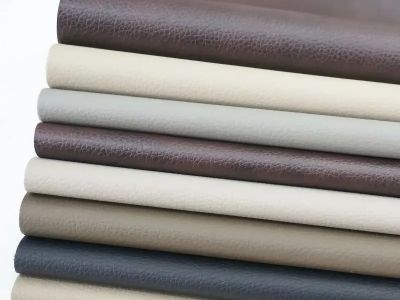
Mycelium leather is an innovative, eco-friendly alternative to traditional leather, derived from the root structure of fungi. As manufacturers increasingly prioritize sustainable materials, understanding the various mycelium leather applications becomes essential. This article will explore how manufacturers select mycelium leather for eco-friendly products, offering a buyer's guide, installation considerations, cost factors, and common challenges along with effective solutions. By diving into these topics, we aim to equip purchasing managers, engineers, and product managers with the knowledge necessary to make informed decisions about integrating mycelium leather into their product lines
How Manufacturers Choose Mycelium Leather for Eco-Friendly Products
When selecting mycelium leather, manufacturers focus on several critical factors, including sustainability, performance, and application suitability. The primary appeal of mycelium leather lies in its renewable nature; it is derived from fungal mycelium, which can be cultivated quickly and sustainably, reducing reliance on animal products and harmful chemicals
Manufacturers typically begin by evaluating the specific application of mycelium leather. For instance, the requirements for automotive interiors may differ significantly from those for fashion accessories. This includes assessing the material's durability, aesthetic qualities, and compliance with industry standards. Manufacturers also consider certifications like USDA and GRS, which are pivotal for ensuring that the product meets eco-friendly criteria
Moreover, as mycelium leather technology is still developing, manufacturers often conduct trials to assess performance under various conditions such as exposure to moisture, abrasion resistance, and longevity. These tests help in determining the most suitable formulation and finishing processes for the intended application
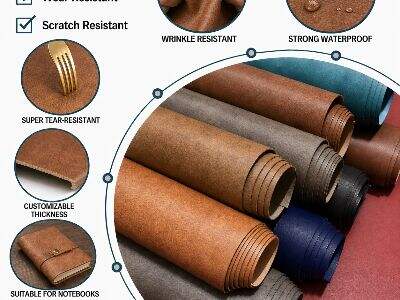
A Buyer’s Guide
For purchasing managers and product developers looking to integrate mycelium leather into their offerings, a well-defined buyer's guide is essential. Here are key considerations to keep in mind
Specifications: Buyers should request detailed specifications, including thickness, tensile strength, and finish options. Understanding these details is crucial for ensuring compatibility with existing production methods
Customization: Many manufacturers, including CIGNO LEATHER, offer various customization options. Buyers should be prepared to discuss specific requirements such as color, texture, and size variations to achieve the desired product appearance
Production Capacity and MOQ: Confirm the manufacturer’s production capabilities and minimum order quantities (MOQ). This is vital for ensuring that the supplier can meet your volume needs without compromising quality
Quality Assurance: Inquire about the quality control processes in place. Buyers should seek information on testing protocols and certifications that assure the product's performance and sustainability claims
Sample Approval: Before proceeding to mass production, requesting samples is advisable. These samples should be evaluated for appearance, texture, and overall performance to ensure they meet the buyer's standards
Installation Considerations for Mycelium Leather in Various Applications
Installing mycelium leather requires careful consideration of the application and the intended use of the final product. Factors to assess include
Surface Preparation: The surface on which mycelium leather will be applied must be clean and stable. Any contaminants can affect adhesive performance and final appearance
Adhesives and Sealants: Choosing the correct adhesives is crucial for maintaining the integrity of mycelium leather. Manufacturers often recommend specific adhesives that are compatible with the material to ensure durability
Environmental Conditions: Consideration of environmental factors such as humidity and temperature during installation can impact the performance of mycelium leather. Buyers should ensure that the installation environment aligns with the manufacturer’s recommendations
Maintenance Requirements: Understanding maintenance requirements during and after installation is essential. Mycelium leather can have specific cleaning and care instructions to prolong its life and maintain its aesthetic qualities
Training and Support: Manufacturers may offer training and support for the installation process. Leveraging this can help ensure a smoother installation and reduce the likelihood of errors
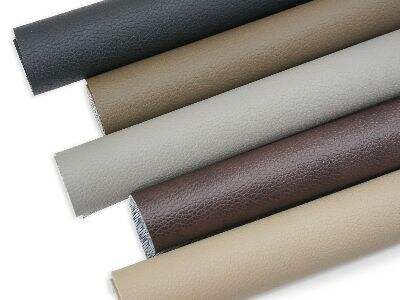
Cost Factors to Consider When Choosing Mycelium Leather Options
Understanding the cost factors associated with mycelium leather is crucial for making an informed purchasing decision. Here are some key considerations:
Raw Material Costs: The price of mycelium leather can vary based on the sourcing and production methods. Buyers should inquire about the cost implications of different formulations and finishes
Production Costs: Consider the manufacturing processes involved. Mycelium leather may require specialized equipment or processes, which can impact overall production costs
Volume Discounts: Many manufacturers offer volume discounts for larger orders. Buyers should assess their budget and consider ordering larger quantities if it results in significant savings
Shipping and Handling: Factor in shipping costs, especially if sourcing from international suppliers. Understanding the logistics involved can help buyers budget accurately
Long-Term Value: While the initial cost may be higher than conventional materials, the long-term value of mycelium leather, including durability and sustainability benefits, should be taken into account
Common Problems with Mycelium Leather and Effective Solutions
While mycelium leather presents numerous advantages, it can also come with challenges. Recognizing these potential issues and having strategies to address them is crucial for buyers
Moisture Sensitivity: Mycelium leather may not be as water-resistant as traditional leather. Manufacturers can enhance moisture resistance through specific treatments, so buyers should inquire about available options
Durability Concerns: Depending on the application, durability can be a concern. Manufacturers typically conduct extensive testing to ensure that their mycelium leather meets the necessary performance standards
Color Consistency: Variations in color and texture may occur, especially with natural materials. Buyers should consider specifying color standards and conducting approval processes to ensure uniformity
Adhesive Compatibility: Not all adhesives are suitable for mycelium leather. Buyers should verify with the manufacturer about recommended adhesives to avoid potential failures during application
Market Perception: As mycelium leather is still emerging, market acceptance may vary. Educating consumers about its benefits and sustainability can help mitigate apprehension
By considering these factors and leveraging expertise from manufacturers like CIGNO LEATHER, buyers can effectively navigate the complexities of integrating mycelium leather into their product offerings, ensuring that they select the most suitable options for their specific applications