AR
 CS
 NL
 FR
 DE
 EL
 HI
 IT
 JA
 KO
 NO
 PL
 PT
 RU
 ES
 SV
 TL
 IW
 ID
 SR
 UK
 VI
 MT
 TH
 FA
 AF
 MS
 GA
 HY
 AZ
 BN
 LA
 MN
 KK
 UZ
 KU



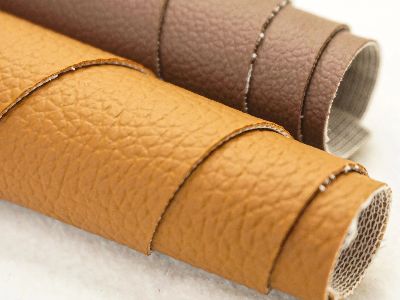
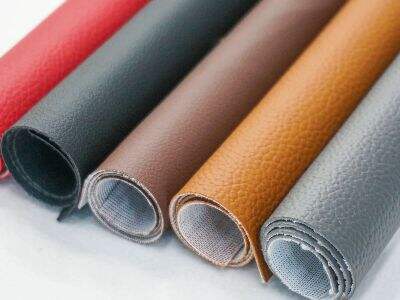
Eco leather, often viewed as a sustainable alternative to traditional leather, is gaining traction in various industries, particularly in furniture, automotive, and fashion. With an increasing number of B2B buyers seeking eco-friendly options, understanding the key differences between eco leather and alternative materials is essential for making informed purchasing decisions. This article will delve into the distinctions between leather and polyurethane and its counterparts, evaluate the suitability of eco leather for specific manufacturing needs, offer installation guidance, and highlight common issues associated with alternative materials.
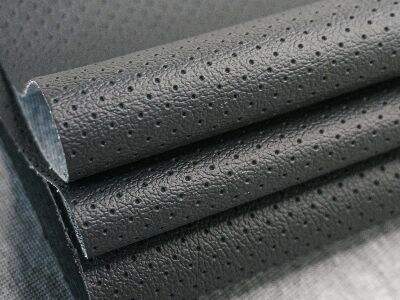
Where to Source Eco Leather for Bulk Orders and Distributions?
When sourcing eco leather for bulk orders, buyers should consider manufacturers that specialize in eco-friendly synthetic materials. CIGNO LEATHER, for instance, produces over 200,000 meters of eco leather monthly, catering to sectors including furniture, automotive interiors, shoes, and bags. Buyers should evaluate suppliers based on their production capabilities, quality certifications (such as USDA and GRS), and the variety of eco leather options available, including PU, Microfiber, Silicon, and Vegan leather.
It's crucial to request samples before placing large orders. Samples allow buyers to assess the texture, durability, and performance characteristics of the material in real-world conditions. Additionally, understanding the minimum order quantities (MOQ) and lead times for bulk orders is essential to streamline inventory management and meet production deadlines.
Eco Leather vs Alternative Materials
Eco leather differentiates itself from alternative materials, such as traditional leather, PVC, and other synthetic fabrics, through its sustainable production processes & reduced environmental impact.
Material Composition: Eco leather is often made from polyurethane or other synthetic materials that are designed to mimic the look and feel of traditional leather without the associated animal cruelty. In contrast, PVC (polyvinyl chloride) is frequently used in conventional synthetic leather but is known for its environmental drawbacks, including harmful chemical emissions during production.
Durability and Performance: Eco leather is designed to be durable, featuring properties like anti-mildew, anti-abrasion, and fire resistance. These characteristics make it suitable for demanding applications like automotive interiors and high-traffic furniture. While alternative materials may offer similar aesthetics, they might not match eco leather's performance in specific applications, particularly where fire safety and longevity are concerned.
Sustainability: Eco leather's production process is often more environmentally friendly, utilizing fewer resources and producing less waste compared to traditional leather tanning methods or PVC manufacturing. This sustainability factor is increasingly important to B2B buyers, particularly those committed to corporate social responsibility.
Evaluating Eco Leather for Your Manufacturing Needs
When evaluating eco leather for manufacturing, several factors should be considered:
Specifications: Assess key specifications such as thickness, texture, and colorfastness. These elements will significantly affect the material's performance in its intended application. For instance, a thicker material may be preferred for automotive seating to provide additional durability, whereas a softer texture may be ideal for fashion accessories.
Application Suitability: Different applications require different performance characteristics. For example, eco leather used in automotive interiors must meet strict fire resistance standards, while eco leather for furniture might prioritize aesthetics and comfort. Engage with suppliers to understand the performance capabilities of various eco leather products based on specific applications.
Customization Options: Many manufacturers, including CIGNO LEATHER, offer customization capabilities, allowing buyers to specify unique colors, textures, and finishes. This flexibility can enhance product differentiation in competitive markets.
Buyers should also consider conducting tests or requesting certifications that validate the material's performance claims, ensuring it meets industry standards for quality and safety.
Installation Guidance for Eco Leather in Various Applications
Proper installation of eco leather is critical to maximizing its performance and longevity. Here are some guidelines for different applications:
Furniture: When upholstering furniture, ensure that the eco leather is cut accurately to minimize waste. Use high-quality adhesives that are compatible with the material to prevent delamination. Additionally, consider the stretching characteristics of eco leather during installation to avoid puckering or warping.
Automotive Interiors: For automotive applications, follow manufacturer guidelines for fitting eco leather over seats and panels. Pay close attention to seam integrity and consider using double-stitching for high-stress areas. Regular maintenance, such as cleaning with appropriate products, will help preserve the material's appearance and durability.
Fashion Accessories: In products like bags and shoes, the stitching and assembly process are crucial. Ensure that the seams are reinforced and that any hardware used is suitable for the eco leather to maintain functionality and aesthetic appeal.
Before installation, it is advisable to acclimate the eco leather to the environment where it will be used, as changes in temperature and humidity can affect its properties.
Common Problems with Alternative Materials and Their Solutions
While alternative materials can serve various purposes, they often come with challenges that leather pu material can mitigate. Here are some common issues associated with alternative materials and potential solutions:
Durability Concerns: Many synthetic materials like PVC may degrade over time, particularly in high-contact applications. To combat this, select eco leather that has been treated for enhanced durability, such as anti-abrasion features.
Environmental Impact: Traditional synthetic materials often involve harmful chemicals in production and disposal. Opting for eco leather provides a more sustainable alternative, reducing the environmental footprint and aligning with corporate social responsibility goals.
Safety Standards: Alternative materials may not always meet stringent safety standards, particularly in automotive applications. Eco leather, certified for fire resistance, offers peace of mind for manufacturers looking to comply with safety regulations.
In summary, understanding the differences between eco leather and alternative materials is critical for B2B customers. By carefully evaluating sourcing options, specifications, and installation processes, purchasing managers can make informed decisions that enhance product quality and align with sustainability goals.