AR
AR
 CS
CS
 NL
NL
 FR
FR
 DE
DE
 EL
EL
 HI
HI
 IT
IT
 JA
JA
 KO
KO
 NO
NO
 PL
PL
 PT
PT
 RU
RU
 ES
ES
 SV
SV
 TL
TL
 IW
IW
 ID
ID
 SR
SR
 UK
UK
 VI
VI
 MT
MT
 TH
TH
 FA
FA
 AF
AF
 MS
MS
 GA
GA
 HY
HY
 AZ
AZ
 BN
BN
 LA
LA
 MN
MN
 KK
KK
 UZ
UZ
 KU
KU



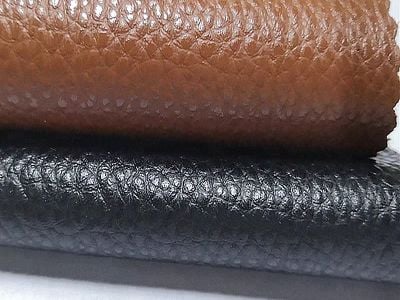
Sustainable car seats leather is becoming increasingly relevant for automotive buyers who prioritize eco-friendliness alongside performance and aesthetics. As the automotive industry shifts toward more sustainable practices, understanding the features, specifications and options available in eco-friendly leather is crucial for purchasing managers, engineers and product managers. This article will explore what buyers need to know about sustainable car seats leather, highlighting key specifications, selection criteria and common challenges in sourcing these materials.
What Buyers Need to Know About Sustainable Car Seats Leather?
When sourcing sustainable car seats leather, buyers should first familiarize themselves with the different types of eco-friendly materials available. CIGNO LEATHER offers a range of synthetic leather options, including PU leather, microfiber, silicon leather, and vegan leather, each with unique properties suited to various automotive applications. Buyers must consider their target market and how sustainable practices align with their branding. With increasing consumer demand for environmentally friendly products, incorporating sustainable pu leather can enhance brand reputation and appeal to eco-conscious customers. Additionally, understanding the certifications, such as USDA and GRS, associated with these materials is essential for ensuring compliance with industry standards and consumer expectations.
Key Specifications for Eco-Friendly Car Seats Leather Options
Selecting the right sustainable car seats leather involves understanding several key specifications, including thickness, durability, and performance characteristics.
Thickness: This affects the leather's feel and durability. A standard thickness for automotive leather is typically between 0.9mm to 1.2mm, providing a balance between comfort and longevity.
Durability Features: Look for materials with anti-mildew, anti-abrasion, and fire-resistant properties, which are crucial for automotive applications. These features enhance safety and longevity, especially in high-use environments.
Environmental Impact: Buyers should assess the production processes of the leather. Eco-friendly options like those produced by CIGNO LEATHER utilize less energy and water compared to traditional polyurethane leather, reducing overall environmental impact.
Customization: Many manufacturers provide options for color, texture, and branding, allowing for tailored solutions that meet specific aesthetic and functional requirements.
Understanding these specifications will enable buyers to make informed decisions that meet both performance needs and sustainability goals.
How to Choose the Right Sustainable Leather for Automotive Interiors?
Choosing the right sustainable leather for automotive interiors requires a careful evaluation of application-specific requirements. Here are several factors to consider:
Intended Use: Identify how the leather will be used whether for seat covers, door panels, or other interior elements. This will influence the selection of materials based on durability and aesthetic needs.
Compatibility: Ensure that the selected leather is compatible with existing manufacturing processes and machinery. Some materials may require specific adhesives or treatments, impacting production efficiency.
Testing Under Real Conditions: Before finalizing orders, it’s advisable to conduct tests using samples under actual operating conditions. This can reveal potential issues with wear, color fastness, or comfort that may not be apparent during initial evaluations.
Supplier Reliability: Evaluate potential suppliers based on their manufacturing capabilities, quality control processes, and past performance. A reliable supplier will provide consistent quality, which is vital for maintaining brand standards.
By thoroughly assessing these factors, buyers can select sustainable leather that meets their performance criteria while aligning with their environmental commitments.
What to Look for in Eco-Friendly Leather Products?
When evaluating eco-friendly leather products, buyers should check for several key aspects:
Certifications: Verify that the leather meets recognized environmental standards, such as USDA Organic or Global Recycled Standard (GRS). These certifications indicate a commitment to sustainability.
Material Composition: Understand the makeup of the leather. Sustainable options should minimize harmful chemicals and use renewable resources where possible.
Production Transparency: Choose suppliers who provide clear information about their production processes, from material sourcing to manufacturing practices. Transparency can help assess the overall sustainability of the product.
Performance Metrics: Look for data on the leather's performance in terms of durability, resistance to wear and tear, and other relevant metrics. This information can be crucial for long-term satisfaction and usability.
Aesthetic Quality: While sustainability is important, the leather and polyurethane must also meet aesthetic standards. Evaluate the look and feel of samples to ensure they match the desired interior design vision.
By focusing on these criteria, buyers can ensure they select eco-friendly leather that not only supports sustainability initiatives but also meets high-performance standards.
Common Problems with Eco-Friendly Leather and Effective Solutions
While eco-friendly leather offers many advantages, buyers may encounter common challenges. Here are some issues and their potential solutions:
Quality Variability: Not all eco-friendly leathers are created equal. Buyers should request samples and conduct thorough quality inspections to ensure the leather meets their specifications before placing large orders.
Limited Availability: Some sustainable leathers may have longer lead times due to specific production practices. Buyers should confirm lead times during the RFQ process and consider alternative suppliers if necessary.
Compatibility Issues: Certain eco-friendly materials may not perform well with traditional automotive manufacturing methods. It's important to communicate with suppliers about specific manufacturing processes to avoid compatibility problems.
Maintenance Challenges: Eco-friendly leathers may require different care compared to traditional options. Buyers should seek guidance on maintenance to ensure longevity and appearance.
By being aware of these potential issues and addressing them proactively, buyers can mitigate risks associated with sourcing sustainable car seats leather.
the shift toward sustainable car seats leather is an essential consideration for automotive buyers today. By understanding the specifications, selection criteria, and common challenges associated with these materials, purchasing managers and product developers can make informed decisions that not only meet performance standards but also support their sustainability goals.
Table of Contents
- What Buyers Need to Know About Sustainable Car Seats Leather?
- Key Specifications for Eco-Friendly Car Seats Leather Options
- How to Choose the Right Sustainable Leather for Automotive Interiors?
- What to Look for in Eco-Friendly Leather Products?
- Common Problems with Eco-Friendly Leather and Effective Solutions