AR
AR
 CS
CS
 NL
NL
 FR
FR
 DE
DE
 EL
EL
 HI
HI
 IT
IT
 JA
JA
 KO
KO
 NO
NO
 PL
PL
 PT
PT
 RU
RU
 ES
ES
 SV
SV
 TL
TL
 IW
IW
 ID
ID
 SR
SR
 UK
UK
 VI
VI
 MT
MT
 TH
TH
 FA
FA
 AF
AF
 MS
MS
 GA
GA
 HY
HY
 AZ
AZ
 BN
BN
 LA
LA
 MN
MN
 KK
KK
 UZ
UZ
 KU
KU



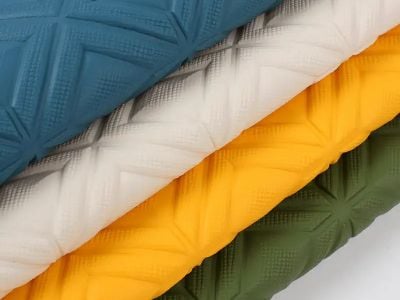
Choosing the right sofa leather for furniture manufacturing projects can significantly influence the quality, durability, and aesthetic appeal of your final products. With a variety of options available, including eco-friendly synthetic sofa leather such as PU, Microfiber, Silicon, and Vegan leather, understanding how to compare these materials is crucial for purchasing managers and product designers alike. This article will guide you through the essential factors to consider, helping you make informed decisions that meet your project specifications and budget.
How to Compare Different Types of Sofa Leather for Projects?
When comparing different types of sofa leather, it's essential to evaluate their properties based on your specific application requirements. Eco-friendly synthetic leathers like those offered by CIGNO LEATHER come with distinct advantages, such as being durable and easy to maintain. PU leather is known for its versatility and affordability, making it a popular choice for various furniture applications. Microfiber leather, on the other hand, is often favored for its soft texture and breathability, ideal for high-end upholstery sofa leather.
Vegan leather is also gaining traction due to its ethical appeal, particularly among consumers who prioritize sustainability. When selecting sofa leather, consider the following criteria:
Material Composition: Understand the differences in the synthetic materials used in the leather. For example, PU is made from a polyurethane coating, while Microfiber is made from ultra-fine synthetic fibers.
Durability: Assess the abrasion resistance and longevity of each type. High-quality synthetic leathers can often withstand heavier use without showing wear and tear.
Aesthetic Qualities: The visual and tactile aspects of the leather are critical in furniture design. Make sure the material aligns with the desired look and feel of your project.
Evaluating the Quality of Sofa Leather for Furniture Manufacturing
Quality evaluation of sofa leather is critical to ensuring that the final product meets performance and aesthetic standards. Key factors include:
Thickness: Generally measured in millimeters, thickness affects durability and appearance. A thicker pu material leather may provide better durability but may also be less flexible, impacting the final upholstery fit.
Surface Finish: Examine the texture and appearance of the leather. High-quality finishes should appear consistent, free from defects or discolorations.
Certification: Look for certifications such as USDA and GRS, which indicate eco-friendliness and compliance with industry standards. These certifications can enhance your product's marketability.
Before making a bulk purchase, it's prudent to request samples to inspect the leather's qualities firsthand. A thorough inspection will help you verify that the material meets your specifications for durability, aesthetics, and functionality.
Installation Tips for Using Sofa Leather in Furniture Projects
Proper installation of sofa leather is crucial to achieving a professional finish. Here are some installation tips:
Preparation: Ensure that the furniture frame is clean and free from debris before applying the leather. Any imperfections can affect the final appearance.
Measuring: Accurate measurements are essential. Always account for seams and folds when cutting the leather. A common mistake is to underestimate the amount of leather needed for complex designs.
Adhesive Selection: Use adhesives specifically designed for synthetic leather to ensure proper bonding and avoid peeling over time. Test the adhesive on a small area first to check compatibility.
Lastly, always allow the leather to acclimatize to the room temperature before installation. This step minimizes the risk of shrinkage or expansion once the leather is applied.
Understanding Cost Factors When Purchasing Sofa Leather in Bulk
Several factors influence the cost of sofa leather, particularly when purchasing in bulk. These include:
Material Type: The choice between PU, Microfiber, and Vegan leather will significantly affect pricing. For instance, Vegan leather often comes at a premium due to its sustainable production methods.
Order Volume: Bulk purchases typically come with price advantages. Understanding your minimum order quantity (MOQ) can help you negotiate better pricing.
Customization: Custom colors or finishes may incur additional costs. It’s essential to clarify these factors with your supplier upfront.
When preparing for a request for quotation (RFQ), provide specific details such as the type of leather, required quantity, and delivery timeline to streamline the process.
Common Problems with Sofa Leather and Effective Solutions for Buyers
Buyers may encounter several common problems with sofa leather, but understanding these challenges can help mitigate risks. Issues such as fading, peeling, or cracking can arise due to improper care or low-quality materials. Here’s how to address them:
Fading: Ensure that the leather has UV resistance, especially if the furniture will be placed in sunlight. Regular maintenance using appropriate cleaners can also prolong the life of the leather.
Peeling: This is often a sign of low-quality materials or improper installation. Always choose high-quality leather and ensure that the installation process is correctly followed.
Cracking: Maintaining moisture levels is vital for synthetic leathers. Recommend using conditioning products designed for synthetic materials to keep the leather supple.
Periodic quality inspections during manufacturing can help identify these issues early on, ensuring that the final product meets both quality and customer expectations.
By keeping these considerations in mind, purchasing managers and product designers can make informed decisions when selecting sofa leather for their furniture manufacturing projects. Understanding the nuances of each type of leather, evaluating quality, and preparing for potential issues will lead to successful outcomes in your projects.
Table of Contents
- How to Compare Different Types of Sofa Leather for Projects?
- Evaluating the Quality of Sofa Leather for Furniture Manufacturing
- Installation Tips for Using Sofa Leather in Furniture Projects
- Understanding Cost Factors When Purchasing Sofa Leather in Bulk
- Common Problems with Sofa Leather and Effective Solutions for Buyers