AR
 CS
 NL
 FR
 DE
 EL
 HI
 IT
 JA
 KO
 NO
 PL
 PT
 RU
 ES
 SV
 TL
 IW
 ID
 SR
 UK
 VI
 MT
 TH
 FA
 AF
 MS
 GA
 HY
 AZ
 BN
 LA
 MN
 KK
 UZ
 KU


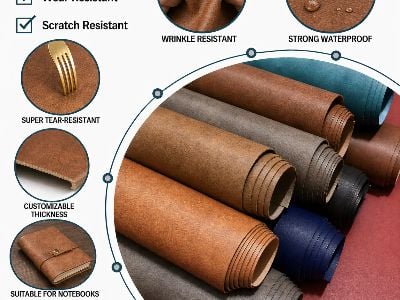
Mycelium leather is an innovative alternative to traditional materials, gaining traction in various industries. We will explore the key differences between mycelium leather and other materials, focusing on important factors for B2B buyers, such as performance, sustainability, and cost. Understanding these differences will help purchasing managers, product designers, and engineers make informed decisions when selecting materials for applications in furniture, automotive interiors, and fashion
Wholesale Considerations for Mycelium Leather vs Alternatives
When considering mycelium leather for wholesale purchase, it’s essential to evaluate several factors against alternative materials like PU, microfiber, and traditional leather. One crucial aspect is the Minimum Order Quantity (MOQ). Mycelium leather suppliers may have different MOQs based on production capabilities and material sourcing. Understanding these numbers will help buyers align their inventory needs and budget
Pricing is another critical factor. Mycelium leather can offer competitive pricing compared to alternatives, but it’s important to consider the total cost of ownership, including durability and maintenance costs. Buyers should also analyze the lead time for production, as mycelium leather may require different processes compared to synthetic materials. Additionally, the environmental impact should be weighed, as mycelium leather is derived from renewable resources, making it a more sustainable option
Lastly, quality certification is vital. Mycelium leather suppliers should provide documentation that assures the material meets required performance standards, including fire resistance, abrasion resistance, and moisture management. This is comparable to certifications like USDA and GRS that CIGNO LEATHER holds for its synthetic leathers
Mycelium Leather Against Traditional Materials
Mycelium leather stands out against traditional materials in several key aspects. Its composition is derived from the mycelium of mushrooms, which is not only renewable but also biodegradable, setting it apart from synthetic options that may have significant environmental footprints. In contrast, traditional leather involves animal sourcing, which raises ethical and sustainability concerns
In terms of performance, mycelium leather offers unique properties such as anti-mildew and fire-resistance, which are essential for applications in high-humidity environments or areas with strict safety regulations. Traditional leather can be more prone to moisture damage and requires extensive treatment to achieve similar performance specifications
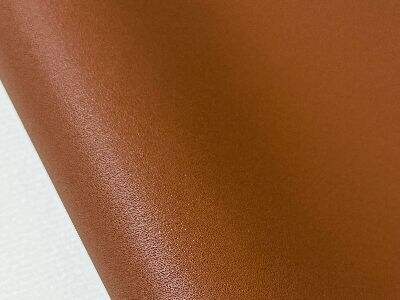
Moreover, mycelium leather can be customized in terms of texture and appearance, allowing designers to create unique products that meet aesthetic requirements without compromising on sustainability. This flexibility is a significant advantage over traditional materials, where sourcing specific qualities may not always be feasible
What Buyers Need to Know
Before purchasing mycelium leather, buyers should gather comprehensive information regarding its specifications and applications. Key technical parameters to consider include thickness, tensile strength, and resistance properties. For instance, the thickness of mycelium leather can affect its durability and suitability for specific applications, such as automotive interiors or footwear
Buyers should also evaluate the material’s compatibility with their manufacturing processes. For example, mycelium leather may require specific cutting tools or techniques, which could impact production timelines. Understanding these compatibility requirements will help prevent production delays and ensure a smooth transition to using this innovative material
Additionally, buyers should request samples to assess the material's performance in real-world conditions. This is crucial for confirming that the selected thickness and treatment meet expectations for durability and appearance in the final product

Installation Guide for Mycelium Leather Compared to Other Materials
Installing mycelium leather can differ significantly from traditional materials. First, ensure that the installation environment is clean and dry, as moisture can affect adhesion and performance. When working with mycelium leather, special adhesives that are compatible with its unique properties may be required
For applications such as furniture upholstery, precise cutting is essential. Mycelium leather can be cut using standard tools, but sharp blades are recommended to ensure clean edges, reducing the risk of fraying. This is particularly important when compared to other materials like PU or traditional leather, which may have different cutting requirements
Lastly, consider the installation technique; mycelium leather can be stretched and molded more easily than some synthetic alternatives, allowing for a tighter fit and more aesthetically pleasing finish. However, care must be taken to avoid overstretching, which could compromise the material's integrity
Common Problems with Mycelium Leather and Their Solutions
While mycelium leather presents exciting opportunities, buyers should be aware of potential challenges. A common issue is its susceptibility to moisture if not treated properly. To combat this, ensure that the leather is adequately sealed and maintained to enhance its longevity in humid environments
Finally, buyers may experience challenges with bonding during the installation process. Using the right adhesive is vital, as some conventional adhesives may not bond effectively with mycelium leather. Working closely with suppliers to identify recommended adhesives can help avoid this issue
In summary, understanding these common challenges and their solutions will help buyers make informed decisions and facilitate smoother transitions to using mycelium leather in their products