AR
 CS
 NL
 FR
 DE
 EL
 HI
 IT
 JA
 KO
 NO
 PL
 PT
 RU
 ES
 SV
 TL
 IW
 ID
 SR
 UK
 VI
 MT
 TH
 FA
 AF
 MS
 GA
 HY
 AZ
 BN
 LA
 MN
 KK
 UZ
 KU



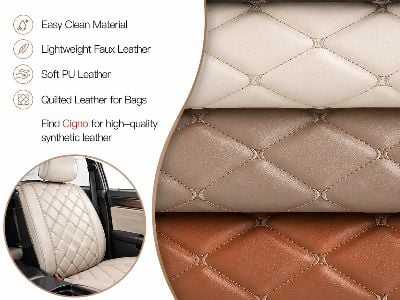
When sourcing car upholstery fabrics for OEM and wholesale projects, selecting the right supplier is crucial. With various materials and manufacturing processes available, understanding how to compare car upholstery fabric suppliers can help purchasing managers, distributors, and product managers make informed decisions. This article will address key specifications, cost factors, installation guidance, common fabric problems, and where to find trustworthy suppliers, ensuring you are well-equipped to evaluate your options effectively
Key Specifications to Evaluate When Comparing Upholstery Fabric Suppliers
When comparing car upholstery fabric suppliers, several specifications should be considered to ensure the selected fabric meets your project requirements. Important factors include
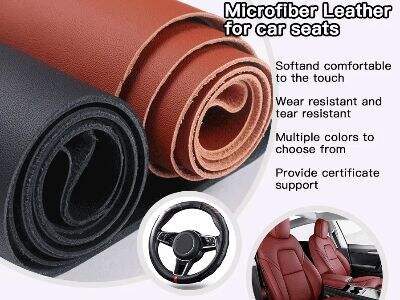
Material Type: Fabrics like PU, Microfiber, and Vegan leather each have unique characteristics. For instance, PU is known for its durability and ease of maintenance, while Microfiber offers a soft touch and excellent stain resistance. Understanding the specific needs of your application, such as moisture resistance or fire safety, will guide material selection
Thickness: The thickness of upholstery fabric affects its durability and appearance. Thicker materials may provide better abrasion resistance, which is essential for car interiors subject to wear and tear. Be sure to confirm thickness requirements based on the intended use
Certifications: Look for suppliers whose products are certified by recognized organizations, such as USDA and GRS. These certifications indicate compliance with environmental and quality standards, ensuring that the materials are safe and sustainable
Production Capacity and Lead Time: Evaluate the supplier's ability to produce the required quantity within your timeline. A supplier like CIGNO LEATHER, with a production capacity exceeding 200,000 meters monthly, can reliably meet large orders
Customization Options: If your project requires specific colors, textures, or patterns, confirm whether the supplier can provide customized solutions. This flexibility can be crucial for branding and aesthetics
Understanding Cost Factors When Sourcing Car Upholstery Fabrics
Cost is a significant consideration when sourcing car upholstery fabrics. Various factors contribute to the overall price, including
-
Material Costs: The type of material directly influences the price. Eco-friendly options, such as CIGNO LEATHER’s synthetic leathers, may come at a premium but can offer long-term savings through durability and lower maintenance costs
Minimum Order Quantity (MOQ): Suppliers often have MOQs that can affect pricing. Understanding these quantities helps in budgeting and ensures that you are not over-committing to stock that may not be needed
Production and Shipping Costs: Factors such as lead times, shipping distances, and logistics can impact the overall cost. Suppliers that can streamline logistics or offer competitive shipping rates may provide better value
Quality Assurance Processes: Suppliers with robust quality control measures may charge higher prices but can save buyers from costly issues down the line. Look for suppliers who test their fabrics for durability, color-fastness, and other performance metrics
Installation Guidance for Different Types of Car Upholstery Fabrics
The installation process can vary significantly depending on the type of auto upholstery fabric used. Here are key considerations for common materials
PU Leather: This material is often easier to install due to its flexibility and ability to stretch. Ensure that the surface is properly cleaned and that the adhesive used is compatible with PU to prevent peeling
Microfiber: When installing Microfiber, it is essential to work on a clean, dust-free surface to ensure adhesion. This material may require specific handling techniques to avoid damaging the pile
Vegan Leather: Similar to PU, Vegan leather typically requires less specialized equipment for installation. However, it is crucial to use appropriate fasteners and adhesives to maintain the integrity of the material
For all upholstery types, it is advisable to conduct a trial installation with a sample to ensure that the fabric behaves as expected during the actual application
Common Problems with Upholstery Fabrics and Reliable Solutions
When working with upholstery fabrics, buyers may encounter several common problems. Being aware of these issues and their solutions can save time and costs
Mildew Growth: Fabrics that are not moisture-resistant can develop mold and mildew. Opting for materials with anti-mildew features, like those offered by CIGNO LEATHER, can mitigate this risk
Abrasion and Wear: Fabrics in high-traffic areas may wear down quickly. Choosing heavy-duty materials designed for automotive use can enhance longevity
Color Fading: Fabrics exposed to sunlight may fade over time. Inquire about UV resistance when selecting materials to maintain the aesthetic appeal of your car interiors
Stains and Cleaning: Some upholstery fabrics can be challenging to clean. Selecting stain-resistant options and understanding the proper cleaning methods can prevent permanent damage
By addressing these common issues proactively, buyers can ensure a smoother procurement and installation process
Where to Find Trustworthy Suppliers for Bulk Upholstery Orders
Finding reliable suppliers for bulk car upholstery material orders is essential for maintaining quality and consistency. Consider the following approaches
Industry Trade Shows: Attending automotive and textile trade shows can provide opportunities to meet suppliers in person, allowing for direct discussions about capabilities and offerings
Online Marketplaces: Platforms like Alibaba and ThomasNet can connect buyers with a wide range of upholstery fabric suppliers. Look for suppliers with verified credentials and positive reviews
Manufacturer Websites: Consider manufacturers that specialize in eco-friendly or specific fabric types. CIGNO LEATHER, for example, provides detailed product information and outlines its certifications, making it easier for buyers to assess quality
Referrals and Networking: Leveraging industry contacts or networking within professional groups can lead to recommendations on trustworthy suppliers with proven track records
By utilizing these strategies, companies can find suppliers that align with their quality and performance expectations, ultimately leading to successful OEM and wholesale projects
Table of Contents
- Key Specifications to Evaluate When Comparing Upholstery Fabric Suppliers
- Understanding Cost Factors When Sourcing Car Upholstery Fabrics
- Installation Guidance for Different Types of Car Upholstery Fabrics
- Common Problems with Upholstery Fabrics and Reliable Solutions
- Where to Find Trustworthy Suppliers for Bulk Upholstery Orders