AR
 CS
 NL
 FR
 DE
 EL
 HI
 IT
 JA
 KO
 NO
 PL
 PT
 RU
 ES
 SV
 TL
 IW
 ID
 SR
 UK
 VI
 MT
 TH
 FA
 AF
 MS
 GA
 HY
 AZ
 BN
 LA
 MN
 KK
 UZ
 KU



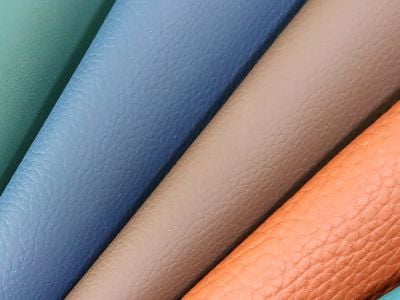
Sustainable microfiber faux leather options are gaining traction among global B2B buyers as they seek eco-friendly materials for various applications, including furniture, automotive interiors, and fashion accessories. This article explores key considerations for selecting sustainable microfiber faux leather, sourcing high-quality options, evaluating product quality, installation guidance, and common sourcing challenges. By understanding these aspects, purchasing managers and product developers can make informed decisions that align with sustainability goals and meet their project requirements.
What to Consider When Choosing Sustainable Microfiber Faux Leather?
When selecting sustainable microfiber faux leather, buyers should prioritize several key factors:
Material Composition: Look for products made from eco-friendly materials with certifications such as USDA and GRS. These certifications ensure the material meets certain environmental standards, promoting responsible sourcing and production.
Performance Characteristics: Evaluate the specific features of the microfiber pu faux leather, such as anti-mildew, anti-abrasion, and fire resistance. These properties are crucial for applications in high-traffic areas or industries where safety is paramount, such as automotive interiors.
Environmental Impact: Assess the lifecycle of the material, from production to disposal. Sustainable options should minimize waste and environmental harm. Consider how the material will be recycled or disposed of at the end of its life.
Customization Needs: Determine if the supplier offers customization options to meet specific design requirements, such as color, texture, and thickness. This flexibility can enhance the product's suitability for various applications.
Cost vs. Value: While sustainable materials might come at a premium, it's essential to evaluate the long-term value, including durability and maintenance costs, rather than focusing solely on upfront pricing.
Where to Source High-Quality Microfiber Faux Leather for Wholesale?
Sourcing high-quality microfiber faux leather requires thorough research and careful selection of suppliers. Here are some steps to guide your sourcing process:
Industry Trade Shows and Exhibitions: Attend relevant trade shows in the textile or manufacturing sectors. These events provide opportunities to meet suppliers, view product samples, and discuss specifications directly.
Online Marketplaces and Directories: Utilize B2B marketplaces and directories that specialize in textile sourcing. Look for suppliers with strong reputations, verified reviews, and a history of reliability in delivering quality products.
Supplier Certifications: Ensure potential suppliers hold relevant certifications that validate their commitment to sustainability and quality, such as ISO certifications or specific eco-labels.
Samples and Testing: Request samples to assess the quality and suitability of the material for your specific applications. Testing should include not only visual inspection but also performance evaluations under expected conditions.
Communication and Support: Evaluate the responsiveness and support offered by suppliers. Clear communication regarding lead times, minimum order quantities (MOQs), and customization capabilities is essential for a smooth purchasing process.
How to Evaluate the Quality of Microfiber Faux Leather Materials?
Evaluating the quality of microfiber faux leather requires a systematic approach to ensure it meets your project specifications. Consider the following criteria when assessing materials:
Visual Inspection: Examine the surface for consistency in texture, color, and finish. Any irregularities may indicate inferior quality.
Thickness and Density: Check the thickness of the material, which can affect durability and performance. A standard thickness for faux leather typically ranges from 0.8mm to 1.2mm, but specific applications may require adjustments.
Physical Testing: Conduct tests for abrasion resistance, tear strength, and fire resistance. These physical properties are critical for applications where wear and safety are concerns.
Chemical Resistance: Ensure the faux leather and pu leather can withstand exposure to common chemicals, especially if it will be used in environments like automotive interiors or healthcare applications.
Environmental Certifications: Verify that the material is certified for its eco-friendly properties. Certifications like GRS and USDA not only indicate sustainability but also quality assurance in manufacturing processes.
Installation Guidance for Sustainable Microfiber Faux Leather Products
Proper installation of sustainable microfiber faux leather is crucial to maximize its performance and longevity. Follow these guidelines for successful application:
Surface Preparation: Ensure that the surfaces where the faux leather will be applied are clean, dry, and free from contaminants. This promotes better adhesion and appearance.
Adhesive Selection: Choose adhesives that are compatible with both the substrate and the faux leather pvc. Eco-friendly adhesives can align better with sustainability goals.
Temperature Control: Maintain a consistent temperature during installation. Extreme temperatures can affect the material's flexibility and adhesion properties.
Cutting and Fitting: Use sharp tools to cut the material to size. Ensure that edges are properly finished to prevent fraying and to maintain a clean appearance.
Post-Installation Care: After installation, allow the material to acclimate to the environment for a specified period before heavy use. This helps the material settle and prevents warping or bubbling.
Common Problems When Sourcing Faux Leather and Their Solutions
Sourcing faux leather can present various challenges that buyers should be aware of. Here are common problems and their solutions:
Quality Inconsistencies: Variability in material quality can occur between batches. To mitigate this, always request a production sample from the supplier before placing a bulk order. This helps confirm that the quality meets your standards.
Misleading Specifications: Sometimes, suppliers may provide specifications that do not accurately reflect the material's performance. Conduct independent tests on samples to verify claims and ensure they align with your requirements.
Supply Chain Disruptions: Delays in production or shipping can affect timelines. Establish a strong relationship with suppliers, and maintain clear communication regarding lead times and potential delays.
Limited Customization Options: Some suppliers may not offer the customization needed for specific applications. When sourcing, inquire about the extent of customization available and consider multiple suppliers to find the best fit.
Sustainability Claims: Not all materials marketed as "sustainable" are genuinely eco-friendly. Demand transparency from suppliers regarding their materials and processes, and request documentation of sustainability certifications.
By addressing these common issues proactively, buyers can ensure a smoother sourcing experience and secure high-quality sustainable microfiber faux leather that meets their needs.
Table of Contents
- What to Consider When Choosing Sustainable Microfiber Faux Leather?
- Where to Source High-Quality Microfiber Faux Leather for Wholesale?
- How to Evaluate the Quality of Microfiber Faux Leather Materials?
- Installation Guidance for Sustainable Microfiber Faux Leather Products
- Common Problems When Sourcing Faux Leather and Their Solutions