AR
 CS
 NL
 FR
 DE
 EL
 HI
 IT
 JA
 KO
 NO
 PL
 PT
 RU
 ES
 SV
 TL
 IW
 ID
 SR
 UK
 VI
 MT
 TH
 FA
 AF
 MS
 GA
 HY
 AZ
 BN
 LA
 MN
 KK
 UZ
 KU


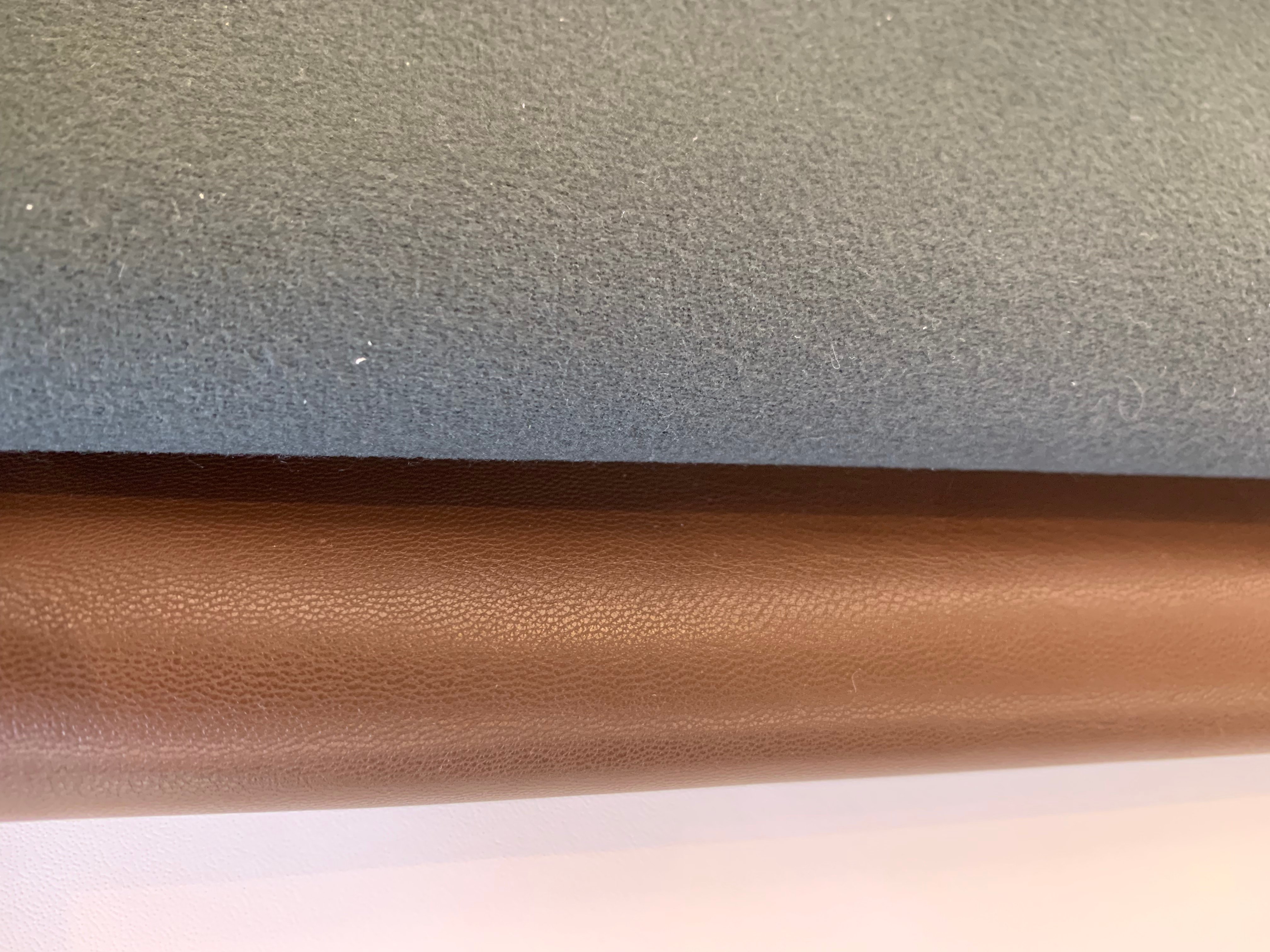
When evaluating suppliers for mycelium leather for OEM and wholesale projects, it's crucial to understand the nuances of this innovative material and the capabilities of potential suppliers. This article will guide you through the essential factors to consider when comparing Cigno Leather PVC Leather suppliers, addressing buyer concerns such as product quality, customization options, and supplier reliability. By the end, you'll gain valuable insights to make informed decisions that align with your project requirements.
How to Compare Mycelium Leather Suppliers for Your OEM Needs?
When comparing mycelium leather suppliers, start by assessing their manufacturing capabilities. Evaluate their production capacity, as this will influence lead times and the ability to meet order quantities. For instance, a supplier like CIGNO LEATHER, which produces over 200,000 meters of eco-friendly synthetic leather monthly, can accommodate large volume orders efficiently.
Next, consider the range of customization options offered. Mycelium leather can be tailored in terms of thickness, texture, and color to suit specific applications, such as automotive interiors or fashion products. Suppliers who provide flexibility in customization are often more capable of meeting unique project requirements.
Additionally, check each supplier’s certifications. Look for industry standards such as USDA and GRS, which indicate adherence to environmental and quality regulations. This not only ensures product quality but also aligns with sustainability initiatives that many companies prioritize today.
What to Look for in Mycelium Leather Products?
When evaluating mycelium leather, consider the following key specifications:
Material Composition: Understand the base materials used in the mycelium leather. The composition affects durability, texture, and performance in various applications. Suppliers should provide detailed information about the material structure.
Performance Characteristics: Assess features such as fire resistance, anti-abrasion qualities, and moisture resistance. These characteristics are crucial for applications in automotive and furniture industries where safety and longevity are paramount.
Sample Evaluation: Before making bulk purchases, request samples to evaluate the texture, appearance, and functionality of the mycelium leather. Testing the sample under actual operating conditions will help confirm its suitability for your specific application.
Consistency and Quality Control: Inquire about the supplier's quality control processes. Consistent product quality is vital for maintaining brand integrity, especially when producing items in large quantities.
Where to Find Reliable Mycelium Leather Suppliers for Bulk Orders?
Finding reliable mycelium leather suppliers involves a few strategic steps:
Industry Networking: Attend trade shows, conferences, and industry events focused on sustainable materials and fabrics. These venues provide opportunities to meet suppliers face-to-face and assess their offerings directly.
Online Research: Utilize industry-specific platforms and directories to identify potential suppliers. Websites focused on sustainable materials often feature comprehensive lists of manufacturers specializing in innovative leather alternatives.
Request for Proposals (RFPs): When you identify potential suppliers, issue RFPs to gather detailed information on pricing, lead times, and available products. This process allows you to compare Cigno Leather Solvent Free Leather options side-by-side based on your specific needs.
Supplier Reviews and References: Check reviews or ask for references from previous clients. Reliable suppliers will have a track record of successful partnerships and positive feedback from their customers.
Installation Guidance for Mycelium Leather in Various Applications
Installing mycelium leather varies depending on its application. Here are some general guidelines for different contexts:
Furniture Upholstery: When using mycelium leather for upholstery, ensure the surface is clean and dry. Use adhesives recommended by the supplier, as they are specifically formulated to provide the best bond for the material. Proper stretching techniques during installation will prevent wrinkling and ensure a professional finish.
Automotive Interiors: For automotive applications, ensure compatibility with existing materials in vehicle interiors. Mycelium leather should be installed at temperatures within the specified range to avoid any shrinkage or deformation. Follow the manufacturer's installation guidelines to achieve the best results.
Fashion Items: In the fashion industry, mycelium leather can be sewn or glued onto various substrates. Consider using techniques and materials compatible with the finished product's design, ensuring durability and aesthetic appeal.
Maintenance: Regular cleaning and care are essential to maintain the appearance and performance of mycelium leather. Follow the supplier's recommendations for cleaning agents and techniques to prolong the life of the material.
Common Problems with Mycelium Leather and Effective Solutions
While mycelium leather presents many advantages, it is not without potential challenges. Here are common issues and their solutions:
Moisture Sensitivity: Mycelium leather can be sensitive to moisture, which may lead to mold growth if not properly maintained. Ensure that products made from mycelium leather are used in environments with controlled humidity levels. Additionally, applying protective coatings can help mitigate moisture absorption.
Durability Concerns: Some buyers may perceive mycelium leather as less durable than traditional leather. To alleviate these concerns, clearly communicate the material's performance characteristics, including its resistance to wear and tear, and provide samples for firsthand testing.
Color Fastness: Issues with color fading or bleeding can arise, especially in high-UV environments. Verify that the supplier uses high-quality dyes and treatments designed for longevity. Testing samples in similar conditions to the intended application is advisable.
Production Consistency: Variability in production runs can lead to inconsistencies in color and texture. Establishing a strong communication channel with your supplier and conducting regular quality checks can help ensure consistency across orders.
By understanding these aspects, you can enhance your purchasing decisions regarding mycelium leather, ultimately leading to successful OEM and wholesale projects. With careful consideration of supplier capabilities, product specifications, and installation practices, you can confidently integrate Cigno Leather mycelium leather into your product offerings.
Table of Contents
- How to Compare Mycelium Leather Suppliers for Your OEM Needs?
- What to Look for in Mycelium Leather Products?
- Where to Find Reliable Mycelium Leather Suppliers for Bulk Orders?
- Installation Guidance for Mycelium Leather in Various Applications
- Common Problems with Mycelium Leather and Effective Solutions