AR
 CS
 NL
 FR
 DE
 EL
 HI
 IT
 JA
 KO
 NO
 PL
 PT
 RU
 ES
 SV
 TL
 IW
 ID
 SR
 UK
 VI
 MT
 TH
 FA
 AF
 MS
 GA
 HY
 AZ
 BN
 LA
 MN
 KK
 UZ
 KU



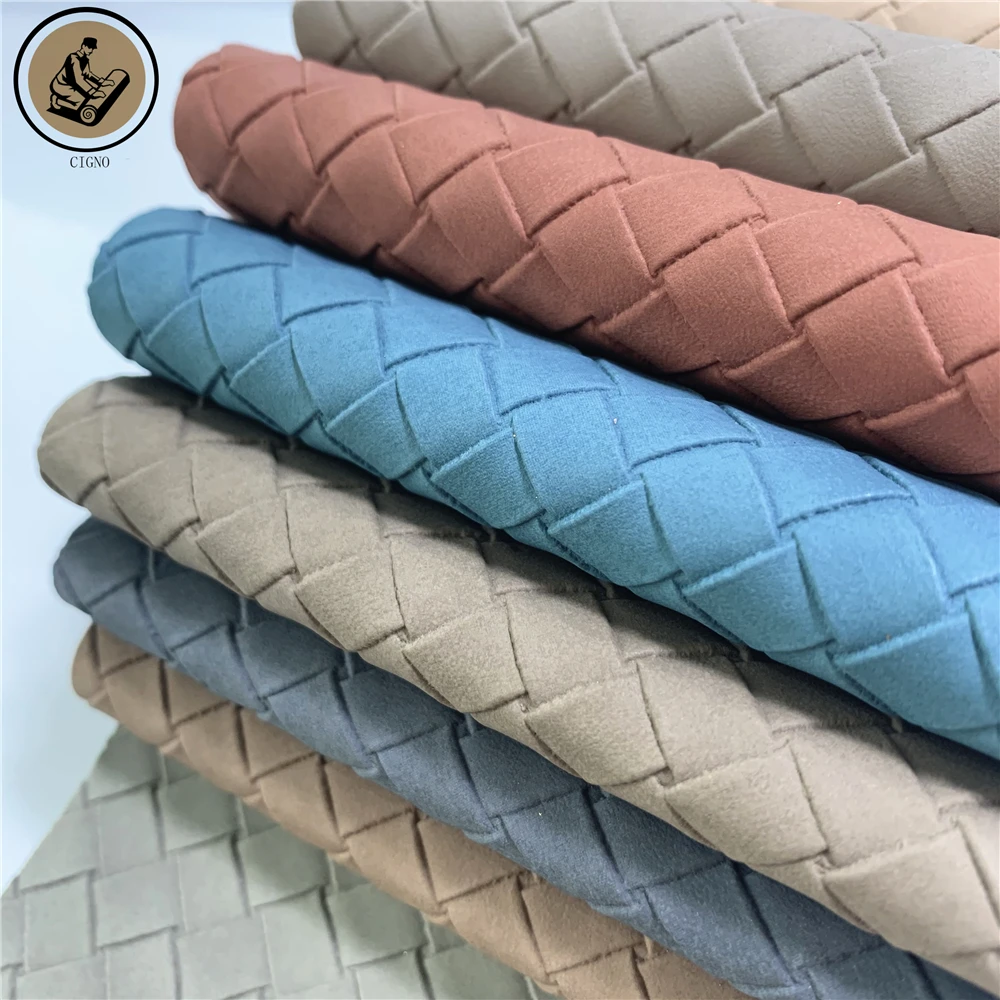
Choosing the right furniture leather for commercial and manufacturing applications is crucial to ensure durability, aesthetics, and overall functionality. With a wide variety of options available, including eco-friendly synthetic leather, understanding how to select the appropriate material can significantly impact product performance and customer satisfaction. This article will guide you through key considerations when choosing Solvent Free Leather, addressing common buyer concerns such as sourcing, cost factors, and installation guidelines.
Where to Source Eco-Friendly Synthetic Leather for Bulk Orders
When sourcing eco-friendly synthetic leather for bulk orders, it’s important to focus on suppliers with established reputations for quality and sustainability. CIGNO LEATHER, for instance, specializes in eco-friendly options like PU, Microfiber, Silicon, and Vegan leather, producing over 200,000 meters monthly. Buyers should look for suppliers that offer certifications such as USDA and GRS, which ensure that the materials meet environmental standards.
Additionally, request samples to evaluate the material's texture, color accuracy, and durability. Establishing a long-term relationship with a reliable supplier can also facilitate better pricing and support for custom orders, as they will better understand your specific needs and application requirements. Make sure to inquire about lead times, minimum order quantities (MOQ), and shipping logistics to avoid delays in your project timelines.
Cost Factors to Consider When Purchasing Furniture Leather
Several cost factors influence the price of furniture leather, particularly in commercial and manufacturing applications. Firstly, the type of leather—whether it’s Cigno Leather PU, Microfiber leather for furniture upholstery, Silicon, or Vegan—will significantly affect pricing. Eco-friendly options may come at a premium due to the sustainable practices involved in their production.
Secondly, consider the volume of your order. Suppliers often provide tiered pricing, where larger orders can reduce the cost per unit. Additionally, customization requests, such as specific colors or finishes, can increase costs, so it’s essential to clarify all specifications before placing an order.
Lastly, factor in the total cost of ownership, which includes shipping, installation, and maintenance expenses. For example, while eco-friendly synthetic leather may have a higher upfront cost, its durability and ease of maintenance can lead to lower long-term costs.
Comparing Different Types of Leather for Manufacturing Applications
When comparing different types of leather, several specifications must be considered, including durability, resistance to wear and tear, and maintenance requirements. PU leather is known for its affordability and ease of cleaning, making it suitable for high-traffic areas. Microfiber leather, on the other hand, offers enhanced durability and is more resistant to stains, making it ideal for environments where spills are likely.
Silicon leather provides excellent resistance to moisture and UV rays, which is beneficial for outdoor furniture applications. Vegan leather is an appealing choice for environmentally-conscious brands, offering a wide variety of textures and colors without using animal products.
Buyers should assess their specific application needs, such as expected wear, exposure to elements, and aesthetic preferences. Each type of leather has unique characteristics that can significantly influence its suitability for various manufacturing applications.
Installation Guidelines for Commercial Furniture Leather Products
Proper installation is essential to maximize the performance of furniture leather products. Begin by ensuring that the surfaces are clean, dry, and free of any debris. For upholstery applications, it’s crucial to use the appropriate adhesive or fastening method recommended by the leather supplier to maintain a secure fit.
Before installation, review the product specifications, including the recommended stretch and shrinkage allowances. This ensures that the leather will not warp or detach over time. If using a staple method, ensure that staples are applied at regular intervals to avoid sagging.
Moreover, conduct a thorough quality inspection after installation. Check for any imperfections, such as wrinkles or bubbles, which can affect the final appearance and durability. Always follow the manufacturer’s installation guidelines to ensure that the furniture meets performance expectations.
Benefits of Eco-Friendly Leather in Commercial Applications
Choosing eco-friendly leather for commercial applications offers numerous advantages. Firstly, these materials are often more sustainable, reducing environmental impact and appealing to consumers increasingly concerned with sustainability. CIGNO LEATHER’s products, such as PU and Vegan leather, are designed to meet eco-friendly standards without sacrificing quality or performance.
Additionally, eco-friendly leather typically features enhanced durability and resistance to common issues such as mildew and abrasion, which can prolong the life of furniture. This durability can lead to lower maintenance costs and a better return on investment over time.
Moreover, using eco-friendly materials can enhance a company’s brand image. Businesses that prioritize sustainability can attract customers who value environmental responsibility, thus creating a competitive edge in the market. In summary, selecting eco-friendly microfiber leather furniture not only benefits the environment but can also positively influence a company's bottom line.
Table of Contents
- Where to Source Eco-Friendly Synthetic Leather for Bulk Orders
- Cost Factors to Consider When Purchasing Furniture Leather
- Comparing Different Types of Leather for Manufacturing Applications
- Installation Guidelines for Commercial Furniture Leather Products
- Benefits of Eco-Friendly Leather in Commercial Applications