AR
 CS
 NL
 FR
 DE
 EL
 HI
 IT
 JA
 KO
 NO
 PL
 PT
 RU
 ES
 SV
 TL
 IW
 ID
 SR
 UK
 VI
 MT
 TH
 FA
 AF
 MS
 GA
 HY
 AZ
 BN
 LA
 MN
 KK
 UZ
 KU



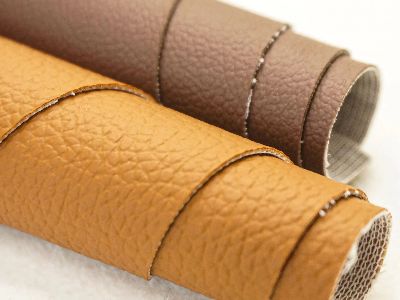
Faux synthetic leather has become a popular choice for furniture manufacturers due to its versatility and eco-friendly attributes. As B2B buyers, purchasing managers, and distributors, understanding how to choose the right material and finish is crucial. This article will guide you through the process of selecting best faux leather for furniture, addressing key specifications, supplier considerations, installation guidance, and common challenges you might face.
How to Choose Eco-Friendly Faux Synthetic Leather for Furniture?
When selecting faux synthetic leather for furniture, consider factors such as the type of material, its environmental impact, and its application suitability. Eco-friendly options like polyurethane (PU), microfiber, silicone, and vegan leather are designed to mimic the look and feel of traditional leather while offering enhanced durability and sustainability.
Start by assessing the specific needs of your furniture project. Consider the intended use: will the furniture be exposed to heavy wear and tear, or will it be used in a low-traffic area? This will help determine the necessary durability and performance characteristics. For instance, PU leather is known for its water resistance and easy maintenance, making it suitable for high-traffic areas.
Additionally, verify the eco-friendly certifications of your chosen material. CIGNO LEATHER products, for example, hold both USDA and GRS certifications, ensuring that they meet stringent environmental standards. Understanding these certifications helps in making a responsible purchasing decision that aligns with your company’s sustainability goals.
Key Specifications to Consider for Synthetic Leather Selection
When evaluating faux synthetic leather, key specifications to consider include thickness, durability, finish, and treatment features.
Thickness: The thickness of synthetic leather affects its durability and appearance. Thicker materials offer better durability, while thinner options may provide a more flexible and softer feel. Typically, a thickness of 0.8mm to 1.2mm is recommended for upholstery applications.
Durability: Look for features such as anti-abrasion and fire resistance. CIGNO LEATHER products incorporate anti-mildew and anti-abrasion properties, making them suitable for various applications, from furniture to automotive interiors.
Finish: The finish of the leather affects its aesthetic appeal and functionality. Consider whether a matte or glossy finish best fits your design vision. A matte finish may hide scratches better, while a glossy finish can give a more luxurious look.
Treatment Features: Additional treatments, such as stain resistance or UV protection, can enhance the lifespan of synthetic leather in outdoor furniture applications. Ensure that the selected faux leather pu leather material aligns with the specific environmental conditions it will face.
Understanding these specifications will help you assess whether the synthetic leather meets your project's demands and longevity expectations.
Reliable Suppliers of Synthetic Leather
Choosing a reliable supplier is crucial for ensuring you receive high-quality faux synthetic leather. Look for manufacturers with a proven track record in the industry, such as CIGNO LEATHER, which produces over 200,000 meters of eco-friendly synthetic leather monthly.
When evaluating suppliers, consider the following:
Certifications: Ensure that the supplier's products are certified for quality and environmental standards. This can provide peace of mind regarding material safety and sustainability.
Customization Capabilities: Some projects may require specific colors, textures, or finishes. Confirm that the supplier can accommodate custom requests while maintaining quality.
Lead Times and MOQ: Understand the lead times for production and the minimum order quantity (MOQ) required. This information is critical for project scheduling and budgeting.
Sample Availability: Request samples to assess the material's appearance and performance firsthand. This step is essential before committing to a large order, as it allows for a thorough evaluation of the faux leather fabric product against your specifications.
Installation Guidance for Faux Synthetic Leather Products
Proper installation of faux synthetic leather is key to achieving the desired aesthetic and durability. Begin by preparing the surface to which the material will be applied, ensuring it is clean, dry, and smooth.
Cutting and Handling: Use sharp tools for cutting the synthetic leather to avoid fraying. Always measure carefully before cutting to minimize waste.
Adhesives: Selecting the right adhesive is vital. Ensure you use adhesives that are compatible with the synthetic leather and the substrate material. Follow the manufacturer's guidelines for application to ensure a secure bond.
Stretching and Fitting: When installing, avoid overstretching the material, as this can lead to warping or damage. Instead, work methodically to fit the material snugly without compromising its integrity.
Finishing Touches: Once installed, consider using edge banding or decorative trims to enhance the final appearance of the furniture. This not only improves aesthetics but also protects the edges from wear.
By following these installation guidelines, you can ensure a professional finish and long-lasting performance of your faux leather material furniture.
Common Problems and Solutions with Synthetic Leather Furniture
While faux synthetic leather offers numerous advantages, it is not without its challenges. Understanding common problems and their solutions can help you navigate potential issues effectively.
Peeling or Bubbling: This can occur if the adhesive fails or if the material is exposed to extreme temperatures. To address this, ensure proper adhesive selection and application. If bubbling occurs, it can sometimes be remedied by carefully reapplying heat and pressure to the affected area.
Color Fading: Exposure to sunlight can lead to color fading over time. To mitigate this, consider materials with UV protection if the furniture will be placed in sunny locations. Regular cleaning and maintenance can also help preserve the appearance.
Stains and Dirt: While many synthetic leathers are designed to be stain-resistant, they may still require cleaning. Use a mild detergent and soft cloth for routine cleaning, and avoid harsh chemicals that could damage the finish.
Scratches: Minor scratches can often be minimized by using a matching color filler. For deeper scratches, consider a professional repair to maintain the material's integrity.
By proactively addressing these common issues, you can enhance the longevity and appearance of your synthetic leather furniture.
In summary, selecting the right faux synthetic leather for furniture involves understanding the material's specifications, choosing reliable suppliers, ensuring proper installation, and being aware of common challenges. With the right knowledge and guidance, you can make informed decisions that reflect quality and sustainability in your furniture projects.