AR
 CS
 NL
 FR
 DE
 EL
 HI
 IT
 JA
 KO
 NO
 PL
 PT
 RU
 ES
 SV
 TL
 IW
 ID
 SR
 UK
 VI
 MT
 TH
 FA
 AF
 MS
 GA
 HY
 AZ
 BN
 LA
 MN
 KK
 UZ
 KU



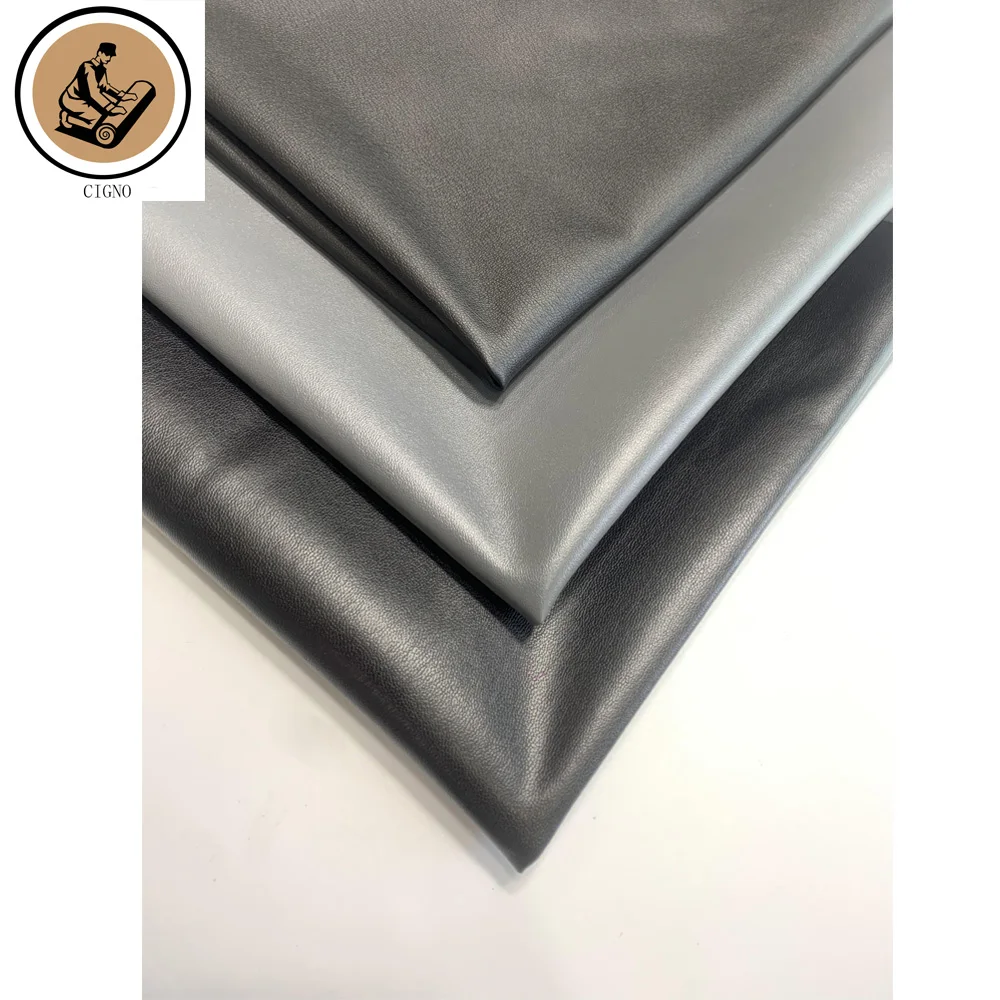
When embarking on OEM and wholesale projects that involve vegan leather, it's essential to efficiently compare suppliers to ensure you select the right partner. The process isn't just about cost; it's about quality, material specifications, and reliability. This article will guide you on how to compare Cigno Leather suppliers of premium vegan leather effectively, addressing key concerns such as product quality, customization options, and potential challenges in sourcing vegan leather for your business needs.
How to Choose Reliable Vegan Leather Suppliers for Your Projects?
Selecting a trustworthy vegan leather supplier starts with understanding their manufacturing capabilities and product offerings. Look for suppliers that specialize in eco-friendly synthetic leathers, such as PU, microfiber, and various forms of vegan leather.
Key factors to consider include:
Certifications: Ensure the supplier has relevant certifications like USDA and GRS, which indicate adherence to environmental and quality standards.
Production Capacity: Confirm the supplier's ability to meet your order volume. For instance, CIGNO LEATHER produces over 200,000 meters monthly, demonstrating their capability to handle large orders.
Customization Options: Reliable suppliers should offer customization services to meet specific application requirements, from color and texture to thickness and treatment.
Quality Control Processes: Investigate their quality assurance measures. A supplier with rigorous testing protocols can help mitigate risks associated with defects and product failures.
By focusing on these criteria, you can narrow down your list of potential suppliers and ensure they align with your project requirements.
Budgeting for Wholesale Vegan Leather Purchases
Budgeting for vegan leather purchases involves more than just considering the price per meter. Here are some critical aspects to factor into your budgeting process:
Material Costs: Evaluate the cost of different types of vegan leather (eg., PU vs. silicone). Higher-quality materials may increase initial costs but can lead to better durability and performance in the long run.
Minimum Order Quantities (MOQs): Many suppliers have MOQs that can affect your budget. Understanding these requirements upfront can help you avoid unexpected costs.
Shipping and Handling: Don’t overlook logistics costs, which can vary based on the supplier's location and your delivery address. Obtain quotes for shipping to accurately gauge total expenditure.
Potential for Waste: Consider the efficiency of the production process. Suppliers with better cutting and manufacturing techniques can minimize waste, ultimately saving you money.
Creating a comprehensive budget that accounts for these factors will provide a clearer picture of the total investment required for your vegan leather project.
Common Problems When Sourcing Vegan Leather and Their Solutions
Sourcing vegan leather can present several challenges. Here are common issues along with practical solutions:
Quality Inconsistency: One of the most prevalent issues is variations in quality between batches. To address this, insist on receiving samples before placing large orders. This allows you to evaluate the material's texture, durability, and color consistency.
Supplier Reliability: Delays in production or shipping can disrupt your project timelines. Establish clear communication with your supplier about lead times, and consider setting up a contingency plan in case of delays.
Compatibility Issues: Ensure that the Cigno Leather polyurethane leather vegan you select is compatible with your intended application, whether it’s for upholstery, automotive interiors, or accessories. Engage with the supplier to discuss specific performance requirements, such as fire resistance or anti-abrasion properties.
Sustainability Claims: Not all vegan leathers are created equal in terms of eco-friendliness. Validate the supplier’s sustainability claims by requesting documentation on their manufacturing processes and material sourcing.
By anticipating these common problems and preparing solutions, you can streamline your sourcing process and build a more resilient supply chain.
Installation Guidance for Vegan Leather in Various Applications
Proper installation of vegan leather is crucial to achieving the desired look and functionality in applications such as furniture, automotive interiors, and fashion accessories. Here are considerations specific to different applications:
Furniture Upholstery: Ensure the surface is clean and dry before applying the vegan leather. Use appropriate adhesives that are compatible with both the substrate and the leather to ensure a strong bond. Additionally, allow for sufficient curing time to prevent bubbling or peeling.
Automotive Interiors: When installing vegan leather in vehicles, consider the temperature and humidity of the environment, as extreme conditions can affect the material's adhesive properties. It’s advisable to use heat-resistant adhesives and to perform a test fit to confirm that the leather aligns properly with existing components.
Fashion Accessories: For items like bags and shoes, precise cutting and sewing techniques are essential. Ensure that the sewing equipment is suitable for vegan leather to avoid damaging the material during production.
Providing your team with detailed installation guidelines tailored to each application will help improve the overall quality and longevity of the final product.
Understanding the Advantages of Eco-Friendly Vegan Leather Options
Choosing eco-friendly vegan leather has numerous advantages that can enhance your product offerings and appeal to a growing market segment concerned about sustainability. Some benefits include:
Reduced Environmental Impact: Unlike traditional leather, vegan leather often uses fewer resources and produces lower emissions during production. Suppliers like CIGNO LEATHER are committed to sustainable practices, ensuring their products are both eco-friendly and high-quality.
Durability and Maintenance: Many vegan leathers exhibit superior durability characteristics, such as resistance to water, stains, and fading. This means that products made from vegan leather can require less maintenance and have a longer lifespan.
Versatility: Vegan leather can be produced in a range of textures and colors, making it suitable for diverse applications, from luxury handbags to automotive interiors. This flexibility allows businesses to cater to various customer preferences without compromising on ethical values.
Market Trends: The demand for sustainable and cruelty-free alternatives is rising. By incorporating vegan leather into your product line, you can position your brand as forward-thinking and responsive to consumer preferences.
Understanding these advantages will not only support your purchasing decisions but also help articulate the value of vegan leather in your marketing efforts. By following these guidelines, you can effectively compare Cigno Leather vegan leather suppliers for your OEM and wholesale projects, ensuring that you select a partner who aligns with your quality, sustainability, and budgetary needs.
Table of Contents
- How to Choose Reliable Vegan Leather Suppliers for Your Projects?
- Budgeting for Wholesale Vegan Leather Purchases
- Common Problems When Sourcing Vegan Leather and Their Solutions
- Installation Guidance for Vegan Leather in Various Applications
- Understanding the Advantages of Eco-Friendly Vegan Leather Options