AR
 CS
 NL
 FR
 DE
 EL
 HI
 IT
 JA
 KO
 NO
 PL
 PT
 RU
 ES
 SV
 TL
 IW
 ID
 SR
 UK
 VI
 MT
 TH
 FA
 AF
 MS
 GA
 HY
 AZ
 BN
 LA
 MN
 KK
 UZ
 KU



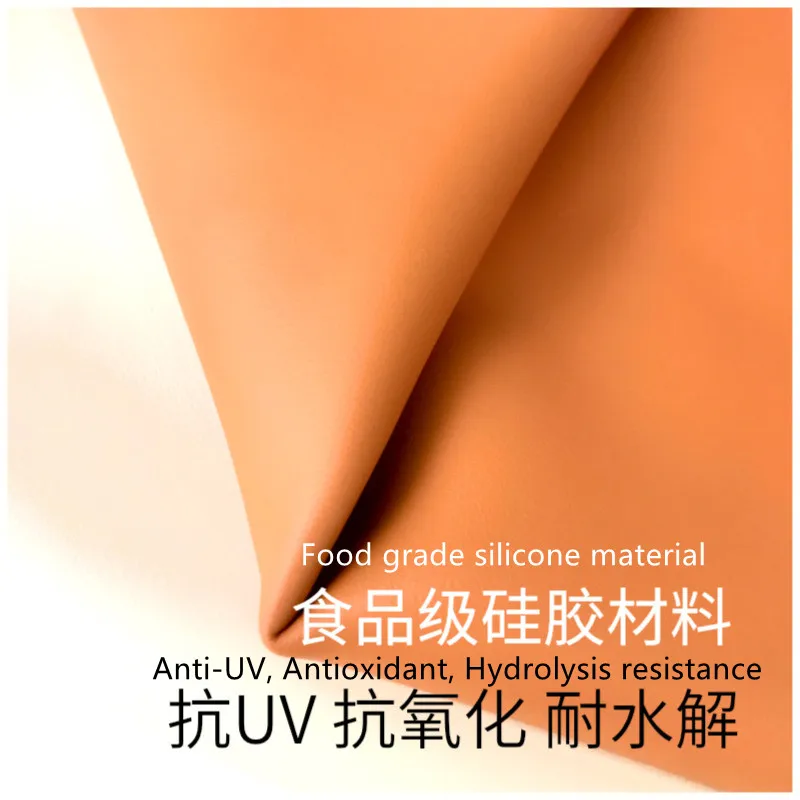
Evaluating silicone leather suppliers for automotive interior projects is crucial for ensuring quality, durability, and compliance with industry standards. As a purchasing manager, distributor, or product manager, your main concerns likely include product specifications, cost considerations, supplier reliability, and eco-friendliness. This article will guide you through essential factors to consider when evaluating Cigno Leather silicone on leather boots suppliers, helping you make informed decisions for your automotive projects.
Key Specifications to Evaluate in Silicone Leather Products
When assessing silicone leather for automotive interiors, several key specifications can significantly impact performance and suitability.
Material Composition: Silicone leather typically consists of a silicone polymer layer, which provides flexibility and durability. Understanding the exact composition is essential, as variations can affect the material's resistance to abrasion, UV radiation, and temperature fluctuations.
Thickness: The thickness of silicone leather ranges from 0.5mm to 2.0mm, impacting its appearance and performance. Thicker materials may offer better durability and resistance but could affect flexibility. Always consider the intended application when determining the appropriate thickness.
Fire Resistance: For automotive interiors, fire resistance is critical. Ensure that the silicone leather is compliant with relevant automotive safety regulations, such as FMVSS 302 in the U.S. This specification dictates how quickly materials should burn, ensuring passenger safety.
Certifications: Look for certifications like USDA and GRS, which confirm the sustainability and safety of the materials used. These certifications can provide assurance regarding the product's eco-friendliness and quality.
By focusing on these specifications, you can ensure that the silicone leather you choose meets the performance and safety standards required for automotive applications.
Understanding the Cost Factors When Sourcing Silicone Leather
Cost is a fundamental consideration when sourcing silicone leather for automotive projects. Several factors influence pricing:
Material Costs: The quality of the silicone polymer and any additional treatments or coatings can affect the base price. Eco-friendly materials may come at a premium but can offer long-term cost benefits through durability.
Manufacturing Processes: Different production methods can impact costs. For instance, materials that are produced using advanced eco-friendly techniques may have higher initial costs but can result in lower maintenance and replacement costs over time.
Order Quantities: Minimum Order Quantities (MOQs) can significantly affect pricing. Suppliers may offer better rates for bulk orders, so it’s wise to assess your project needs carefully.
Shipping and Import Costs: If sourcing from international suppliers, consider shipping, tariffs, and import fees, as these can add to the overall cost. Understanding the full cost structure before committing to a supplier is essential for budgeting.
By evaluating these cost factors, buyers can make informed decisions that align with their project budgets while ensuring the quality of the materials used.
Common Installation Challenges for Silicone Leather in Automotive Projects
Installing silicone leather in automotive interiors presents specific challenges that buyers should be aware of to ensure successful application:
Adhesive Compatibility: The choice of adhesive is critical. Not all adhesives bond well with silicone materials, which can lead to delamination over time. It's essential to use adhesives specifically designed for silicone applications.
Surface Preparation: Proper surface preparation is crucial for adhesion. Surfaces must be clean, dry, and free from contaminants. Any imperfections on the installation surface can lead to issues later on.
Temperature Sensitivity: Silicone leather can react to temperature changes during installation. If the material is too cold, it may become rigid and difficult to manipulate. Conversely, excessive heat can affect its bonding properties. Installers should work within the recommended temperature ranges for optimal results.
Seam Integrity: Achieving strong seams is vital for durability. Ensure that seam sealing methods are compatible with silicone leather to prevent premature wear or damage.
Understanding these common installation challenges can help you choose the right materials and techniques, ensuring a successful installation process.
What to Look for in Eco-Friendly Silicone Leather Options?
As sustainability becomes increasingly important in the automotive industry, sourcing eco-friendly silicone leather is essential. Here are key factors to consider:
Material Sourcing: Investigate the sourcing of raw materials used in the silicone leather. Materials that are biodegradable or recycled can significantly enhance the eco-friendliness of the product.
Manufacturing Practices: Look for suppliers that utilize sustainable manufacturing practices, such as reduced water usage, energy-efficient processes, and low-emission technologies. Certifications like GRS can indicate compliance with environmental standards.
Lifecycle Assessment: Evaluate the lifecycle of the silicone leather, from production to disposal. Options that offer recyclability or a reduced environmental impact at the end of their life are preferable.
Performance vs. Sustainability: Ensure that eco-friendly options do not compromise on performance. Buyers should verify that the silicone leather meets all necessary performance standards while adhering to sustainability goals.
By focusing on these elements, you can ensure that the Cigno Leather silicone leather fabric you choose aligns with both your performance requirements and environmental commitments.
Evaluating Supplier Reliability for Long-Term Automotive Partnerships
Establishing a reliable partnership with a silicone leather supplier is crucial for long-term project success. Here are key factors to evaluate:
Manufacturing Capabilities: Assess the supplier’s manufacturing capabilities, including production capacity and equipment. A supplier with advanced technology and quality control processes can better meet your needs.
Track Record: Investigate the supplier’s history in the industry. A supplier with a solid track record of meeting deadlines and maintaining quality is more likely to deliver consistent results.
Customer Service and Support: Reliable suppliers should offer robust customer support, including assistance with product selection, technical inquiries, and post-purchase support. Good communication can prevent misunderstandings and facilitate smoother transactions.
Flexibility and Customization: Consider whether the supplier can accommodate customizations based on your specific project needs. A supplier that can adapt to your requirements is invaluable for ongoing projects.
By evaluating these factors, you can select a Cigno Leather silicone leather supplier that not only meets your immediate project needs but also supports your long-term business goals.
Table of Contents
- Key Specifications to Evaluate in Silicone Leather Products
- Understanding the Cost Factors When Sourcing Silicone Leather
- Common Installation Challenges for Silicone Leather in Automotive Projects
- What to Look for in Eco-Friendly Silicone Leather Options?
- Evaluating Supplier Reliability for Long-Term Automotive Partnerships