AR
AR
 CS
CS
 NL
NL
 FR
FR
 DE
DE
 EL
EL
 HI
HI
 IT
IT
 JA
JA
 KO
KO
 NO
NO
 PL
PL
 PT
PT
 RU
RU
 ES
ES
 SV
SV
 TL
TL
 IW
IW
 ID
ID
 SR
SR
 UK
UK
 VI
VI
 MT
MT
 TH
TH
 FA
FA
 AF
AF
 MS
MS
 GA
GA
 HY
HY
 AZ
AZ
 BN
BN
 LA
LA
 MN
MN
 KK
KK
 UZ
UZ
 KU
KU



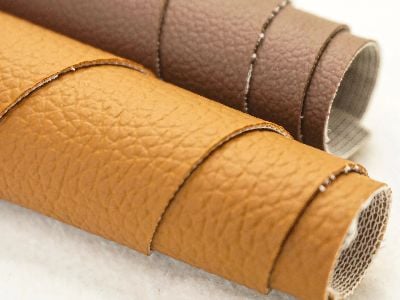
In the automotive industry, sourcing high-quality leather for car seats is a crucial aspect of ensuring both comfort and durability. When considering large orders, it’s essential to understand how to compare car seat leather suppliers effectively. This article will guide purchasing managers, product managers, and engineers through critical factors such as supplier reliability, material specifications, and installation guidance to facilitate informed purchasing decisions.
How to Choose Reliable Leather Suppliers for Automotive Seats
Choosing the right leather supplier involves evaluating their reliability and capability to meet your specific needs. Start by assessing the supplier's experience in the automotive sector. A supplier like CIGNO LEATHER, which specializes in eco-friendly synthetic car seats leather, can be a strong candidate due to their focus on high-quality, durable materials suitable for automotive use.
Next, consider the supplier's production capacity and lead times. A reliable supplier should be able to produce enough leather to meet your large order requirements while also being transparent about their delivery timelines. Evaluate their quality control processes to ensure they adhere to industry standards, as this will impact the final product's performance in terms of durability, appearance, and safety.
Lastly, verify customer testimonials and case studies. A supplier with a strong track record in fulfilling large orders and positive feedback from clients in the automotive industry can provide additional assurance of their reliability.
Key Specifications to Evaluate When Comparing Car Seat Leather
When comparing car seat leather suppliers, several key specifications should be prioritized:
Material Type: Understand the differences between PU, Microfiber, Silicon, and Vegan leather. Each has unique properties that affect durability, feel, and maintenance requirements. For instance, PU leather offers a good balance of cost and performance, while microfiber leather is often softer and more breathable.
Thickness: The thickness of the leather impacts its durability and ease of installation. Thicker materials tend to be more robust but may be less flexible, affecting how well they conform to seat shapes.
Fire Resistance: Given the importance of safety in automotive applications, ensure that the leather meets relevant fire safety standards. This is critical for passenger protection and regulatory compliance.
Anti-abrasion and Anti-mildew Features: These characteristics are vital for maintaining the leather's appearance over time. Evaluate whether the supplier provides products certified for such features, which can extend the lifecycle of the car seats.
Certifications: Look for certifications such as USDA and GRS, which indicate that the materials meet specific environmental and quality standards. These certifications can also enhance your brand’s sustainability profile if you are in an eco-conscious market.
What to Look for in High-Quality Automotive Leather Materials
High-quality automotive leather should not only meet aesthetic expectations but also perform well under varying conditions. Here are some aspects to consider:
Durability: The leather should withstand daily wear and tear, especially in high-usage environments. Check for abrasion resistance ratings and real-world performance tests.
Finish and Texture: The surface finish can affect both the look and feel of the leather. Ensure that the supplier of leather fabric for car seats allows for customization in texture and color to match your vehicle's interior design.
Maintenance Requirements: Some leathers are easier to maintain than others. Ask your supplier about recommended cleaning methods and how often maintenance should be performed to keep the leather in good condition.
Environmental Impact: Given the growing emphasis on sustainability, consider materials that are eco-friendly and produced with minimal environmental impact. CIGNO LEATHER’s focus on synthetic leathers aligns with this trend, providing options that are both sustainable and high-quality.
Car Seat Leather Suppliers for Large Orders
When placing large orders for car seat leather, it’s essential to communicate your specific needs clearly. Ensure that potential suppliers can accommodate your order volume and have a reliable supply chain to prevent delays.
Evaluate the supplier’s minimum order quantity (MOQ) policies, as these can vary significantly. A supplier like CIGNO LEATHER, with a production capacity exceeding 200,000 meters monthly, can typically handle large-scale orders efficiently.
Additionally, inquire about their ability to provide samples before the full order is produced. This step is crucial for assessing the upholstery leather for car seats quality and ensuring it meets your specifications. Request samples that represent the variations in color and texture you are considering for your automotive interiors.
Installation Guidance for Leather Seats in Large Automotive Projects
Proper installation of leather seats is vital to achieving the desired look and functionality. Here are some key considerations:
Pre-installation Preparation: Before installation, ensure that the car seats are clean and free from obstructions. Conduct a thorough inspection of the seat frames and mechanisms to confirm they are in proper condition.
Sample Approval: Always approve a finished sample before mass production. This helps confirm dimensions, fit, and surface appearance. Testing the sample under actual operating conditions can prevent issues later in the production cycle.
Techniques and Tools: Familiarize yourself with the tools and techniques required for leather installation. Proper stretching and securing techniques will prevent wrinkling and ensure a smooth finish.
Post-installation Checks: After installation, conduct quality inspections to ensure that the leather is securely attached and that there are no defects. Address any issues immediately to avoid complications in vehicle delivery.
In summary, comparing car seat leather suppliers for large automotive orders involves thorough evaluation of supplier reliability, material specifications, and installation processes. By focusing on these areas, purchasing managers and product designers can make informed decisions that will result in high-quality automotive interiors.