AR
AR
 CS
CS
 NL
NL
 FR
FR
 DE
DE
 EL
EL
 HI
HI
 IT
IT
 JA
JA
 KO
KO
 NO
NO
 PL
PL
 PT
PT
 RU
RU
 ES
ES
 SV
SV
 TL
TL
 IW
IW
 ID
ID
 SR
SR
 UK
UK
 VI
VI
 MT
MT
 TH
TH
 FA
FA
 AF
AF
 MS
MS
 GA
GA
 HY
HY
 AZ
AZ
 BN
BN
 LA
LA
 MN
MN
 KK
KK
 UZ
UZ
 KU
KU



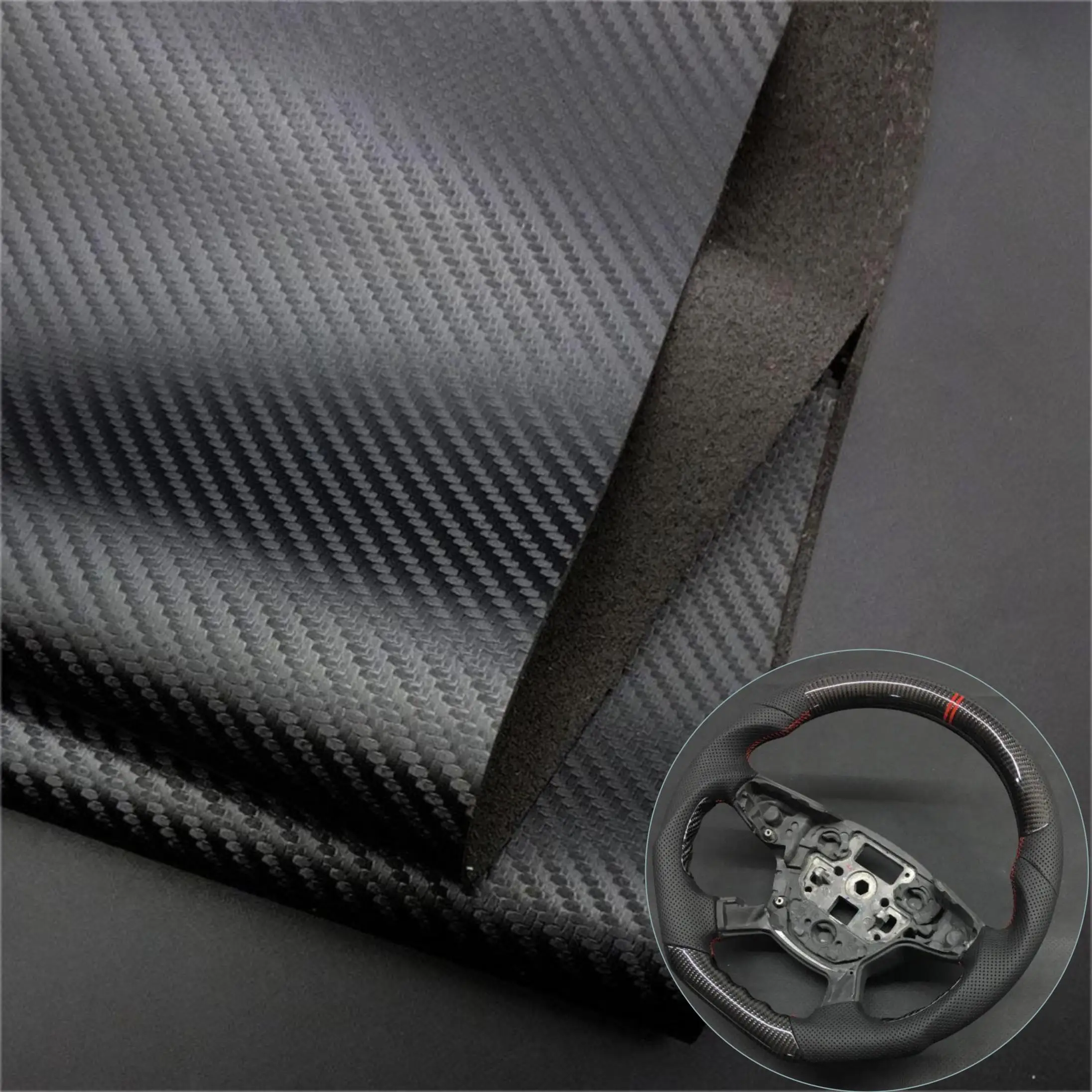
Choosing the right material for car seats is crucial for automotive manufacturers and buyers alike. In the ongoing debate between PU and PVC synthetic car leather, understanding the differences can significantly affect both cost and quality. This article analyzes the key factors that influence the decision, helping purchasing managers, product managers, and engineers make informed choices when sourcing materials for auto interiors.
How to Compare PU and PVC Leather for Automotive Applications?
When comparing PU (polyurethane) leather and PVC (polyvinyl chloride) leather for automotive applications, it's essential to consider several factors, including durability, appearance, and environmental impact.
PU leather is known for its high-quality finish and softness, making it more visually appealing and comfortable for car interiors. It typically has better breathability compared to PVC, which can lead to a more pleasant experience for passengers. Additionally, PU leather offers flexibility in design and customization, allowing manufacturers to achieve specific aesthetics that align with brand identity.
On the other hand, PVC leather is often more cost-effective, making it a popular choice for budget-conscious projects. While it may not match the luxurious feel of PU, advancements in technology have improved its appearance and durability. However, PVC can be less environmentally friendly due to its production process and chemical composition, which may be a concern for brands focused on sustainability.
Overall, the choice between PU and PVC leather will depend on the specific requirements of the automotive project, including budget, design objectives, and environmental considerations.
Cost Factors When Sourcing PU vs PVC Car Seats Leather
Cost is a significant factor when deciding between PU and PVC leather for automotive seating. While PVC leather typically comes at a lower upfront cost, several considerations can affect the overall budget.
Material Costs: PU leather generally has a higher material cost due to its manufacturing process and quality. However, this can be offset by its durability, which may lead to lower maintenance costs and longer lifespans compared to PVC.
Customization and Design: If a project requires specific designs, colors, or textures, PU leather provides more flexibility, albeit at a higher cost. Manufacturers should weigh the benefits of customization against budget constraints to determine the best material.
Long-Term Costs: While PVC may save on initial costs, it can incur more expenses over time due to its susceptibility to wear and tear. In contrast, investing in PU leather may reduce replacement and maintenance costs in the long run.
Environmental Compliance: As sustainability becomes a priority in the automotive industry, sourcing eco-friendly materials may impact overall costs. PU leather often has certifications, such as USDA and GRS, that may appeal to environmentally conscious buyers, though it may come at a premium.
Buyers should calculate the total cost of ownership rather than focusing solely on the purchase price to make a more informed decision.
Installation Tips for PU and PVC Leather Car Seat Covers
Proper installation of PU and PVC leather car seat covers is essential to ensure longevity and maintain the aesthetic appeal of the vehicle's interior. Here are some practical tips for installation:
Preparation: Before installation, ensure that the car seats are clean and free from debris. This helps the leather adhere better and prevents damage during the installation process.
Tools Required: Have the necessary tools on hand, including a soft cloth, scissors, a utility knife, and, if needed, a heat gun. A heat gun can help stretch the material for a better fit, especially in areas with complex shapes.
Fitting the Cover: Begin by fitting the cover over the seat, ensuring that it aligns correctly with seams and contours. For PU leather, which tends to be more forgiving, adjustments can be made easily. PVC leather may require more precise cutting to avoid overstretching.
Securing the Cover: Use clips or straps to secure the cover in place before permanently attaching it. This allows for adjustments to ensure a snug fit.
Finishing Touches: Once the cover is secured, check for any wrinkles or bubbles. Smooth these out using a soft cloth to maintain a polished appearance.
Proper installation can enhance the performance and lifespan of the seat covers, ensuring a high-quality car interior leather finish that meets customer expectations.
Common Problems with PU and PVC Leather and Their Solutions
While both PU and PVC leather offer distinct advantages, they also come with potential problems. Here are some common issues and their solutions:
Peeling and Cracking: Over time, both materials can suffer from peeling and cracking, especially if exposed to extreme temperatures and sunlight. To mitigate this, manufacturers should consider applying protective coatings and educating customers on proper care and maintenance.
Staining: Both PU and PVC leather can stain, especially from dyes or spills. Immediate cleaning with a damp cloth can help prevent staining. Offering customers cleaning kits designed specifically for each material can also be beneficial.
Odor: PVC leather, in particular, can emit a strong chemical smell due to its production process. Allowing the product to air out in a well-ventilated space before installation can help reduce odors.
Color Fading: Exposure to UV light can cause color fading over time. Using UV-resistant coatings during the manufacturing process can enhance longevity and maintain vibrant colors.
By proactively addressing these common problems, manufacturers can improve customer satisfaction and reduce return rates.
Sourcing PU vs PVC Car Seats Leather for Businesses
When sourcing PU and PVC leather for car seats, businesses must consider multiple factors to ensure they select the right supplier. Here are key points to consider:
Quality Assurance: Verify that the supplier has appropriate certifications, such as USDA and GRS, which indicate a commitment to quality and sustainability. This can help ensure the leather meets industry standards.
Customization Capabilities: Assess whether the supplier can accommodate specific design requirements, such as texture, color, and thickness. A supplier with strong customization capabilities can help bring unique designs to life.
Production Capacity: Ensure the supplier can meet your volume needs. CIGNO LEATHER, for example, produces over 200,000 meters monthly, which demonstrates a robust production capacity for various applications.
Lead Time: Understand the lead times associated with sourcing materials. This is particularly relevant for projects with tight deadlines. Establishing a clear timeline with the supplier can help prevent delays.
Sample Evaluation: Before placing a large order, request samples to evaluate the material's look, feel, and performance. This step is critical to ensure the selected leather meets all quality expectations.
Long-Term Partnership: Consider the potential for a long-term relationship with the supplier. A reliable partner can provide consistent quality and support future needs as your business grows.
By keeping these factors in mind, businesses can effectively source the right PU leather fabric for car seats for their automotive projects, ensuring quality and satisfaction for their clients.