AR
 CS
 NL
 FR
 DE
 EL
 HI
 IT
 JA
 KO
 NO
 PL
 PT
 RU
 ES
 SV
 TL
 IW
 ID
 SR
 UK
 VI
 MT
 TH
 FA
 AF
 MS
 GA
 HY
 AZ
 BN
 LA
 MN
 KK
 UZ
 KU



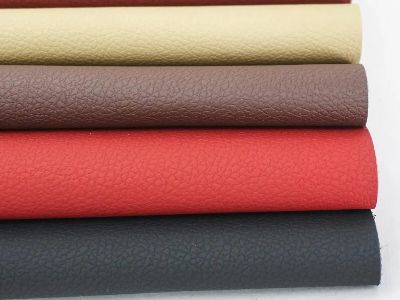
Choosing the right PU leather finishes and textures is essential for manufacturers and product designers aiming to create high-quality, durable products. This synthetic leather option offers a range of finishes and textures that can significantly impact the aesthetics and functionality of the final product. B2B buyers, such as purchasing managers and engineers, often seek guidance on how to select the best PU leather for their specific applications. This article will help you understand the criteria for evaluating PU leather textures, key specifications to consider, the benefits of eco-friendly options, best practices for applications, and factors influencing costs.
How to Evaluate PU Leather Textures for Your Projects?
When evaluating PU leather textures, start by considering the intended application. Different textures can provide varying levels of grip, comfort, and aesthetic appeal. For instance, a smooth finish may be suitable for automotive interiors, while a textured surface might be preferred for furniture upholstery to enhance tactile experience. Additionally, assess the durability of the texture. Textures that are anti-abrasion and resistant to wear are crucial for high-traffic applications, such as automotive and commercial pu leather synthetic. It's advisable to request samples to evaluate how each texture performs under real-world conditions. Pay attention to how easily the surface can be cleaned and maintained, as this can affect the longevity and appearance of the product in the long run.
Key Specifications to Consider in PU Leather Finishes
Several specifications are critical when selecting PU leather finishes. Thickness, for instance, plays a vital role in the material's durability and performance. Thicker materials may offer better abrasion resistance but can be less flexible, which is crucial for applications requiring intricate designs. Surface treatments such as anti-mildew, water resistance, and fire resistance are also essential. These features not only enhance the material's performance but also ensure compliance with safety regulations in specific industries. For example, automotive applications often require materials that meet stringent fire safety standards. The finish type whether matte, glossy, or textured can significantly impact the final product's look and feel. Each finish has its advantages: glossy finishes may be easier to clean, while matte finishes can hide scratches better. Always consider the end-user experience when making your selection.
Understanding the Benefits of Eco-Friendly PU Leather Options
Eco-friendly PU leather, such as those produced by CIGNO LEATHER, offers several advantages for environmentally conscious businesses. These materials are typically made from sustainable resources, reducing the environmental impact associated with traditional leather production. Furthermore, eco-friendly options often feature certifications like USDA and GRS, which affirm their commitment to sustainability. Using eco-friendly PU leather can also enhance a brand's reputation. As consumers become more aware of environmental issues, businesses that prioritize sustainability can differentiate themselves in the market. Products made from eco-friendly materials can appeal to a growing segment of customers who prefer sustainable options, thereby potentially increasing sales. Moreover, eco-friendly pu leather can still provide the same durability and performance characteristics as conventional PU leather, making it a practical choice for a variety of applications without compromising quality.
Best Practices for PU Leather Applications
To ensure the best results when using PU leather, follow these best practices:
Sample Approval: Before moving to mass production, insist on sample approval. This allows you to verify the dimensions, fit, surface appearance, and actual performance under expected conditions.
Quality Inspection: Implement a thorough quality inspection process. This should include checks for color consistency, texture uniformity, and adherence to specifications. Consider the environmental conditions the final product will face, as this can influence performance.
Application Suitability: Match the pu leather material type and texture to the specific application requirements. For instance, consider the type of wear and tear the product might encounter, and select finishes that provide adequate protection.
Proper Maintenance Guidelines: Provide end-users with clear maintenance guidelines to ensure that the products remain in good condition. This can include cleaning recommendations and tips for avoiding damage.
By adhering to these practices, businesses can improve product longevity and customer satisfaction.
Factors Influencing the Cost of PU Leather Finishes
The cost of PU leather finishes can vary widely based on several factors. Material quality is a primary driver; higher-quality PU leather typically comes with enhanced durability and performance features, which can justify a higher price point. Customization options also play a significant role in pricing. Customized textures, colors, and finishes often incur additional costs due to the specialized production processes involved. Minimum order quantities (MOQs) can further influence pricing; larger orders may benefit from bulk discounts, while smaller orders might attract higher per-unit costs. Lastly, consider the sourcing and production location. Eco-friendly materials and those produced in regions with stringent environmental regulations may come at a premium. However, the long-term benefits of using sustainable materials can outweigh initial cost considerations. By understanding these factors, buyers can make informed decisions that align with their budget while ensuring product quality and performance.