AR
AR
 CS
CS
 NL
NL
 FR
FR
 DE
DE
 EL
EL
 HI
HI
 IT
IT
 JA
JA
 KO
KO
 NO
NO
 PL
PL
 PT
PT
 RU
RU
 ES
ES
 SV
SV
 TL
TL
 IW
IW
 ID
ID
 SR
SR
 UK
UK
 VI
VI
 MT
MT
 TH
TH
 FA
FA
 AF
AF
 MS
MS
 GA
GA
 HY
HY
 AZ
AZ
 BN
BN
 LA
LA
 MN
MN
 KK
KK
 UZ
UZ
 KU
KU



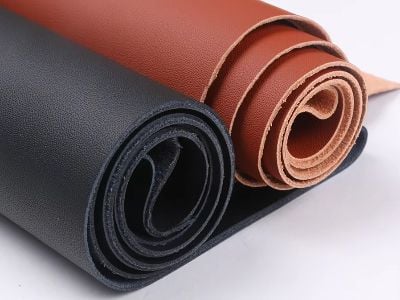
In the automotive industry, choosing the right car seats leather finishes and textures is crucial for both aesthetic appeal and functional performance. Buyers, including purchasing managers and product engineers, often face concerns about durability, maintenance, and the environmental impact of materials. This article will explore various leather options available for automotive interiors, including eco-friendly alternatives, while providing insights into selecting the best finishes and textures for different applications.
How to Choose the Right Leather Texture for Automotive Interiors?
Selecting the appropriate leather texture for automotive interiors involves considering both aesthetic and functional aspects. Leather finishes can range from smooth to textured, each offering distinct visual and tactile experiences. For luxury vehicles, a soft smooth finish may be desirable for its upscale appearance, while textured finishes can provide enhanced grip and durability, particularly in sports cars. Additionally, the intended use of the vehicle plays a significant role in texture selection. For example, family vehicles may benefit from a more durable, textured custom faux leather that can withstand wear and tear from children and pets. It's also essential to consider the environmental conditions the leather will be exposed to, such as heat and humidity. Using high-quality, eco-friendly synthetic leathers can not only fulfill aesthetic desires but also meet sustainability goals.
Key Specifications for High-Quality Automotive Leather Finishes
When evaluating leather finishes for automotive applications, several key specifications should be considered:
Thickness: The thickness of the leather affects its durability and feel. Thicker materials may offer greater durability but can be heavier and less flexible. A typical thickness range for automotive leather is between 0.9 mm to 1.4 mm.
Surface Treatment: Finishes may include coatings for added protection against scratches, stains, and UV damage. Look for finishes that provide anti-abrasion and anti-mildew properties, especially for vehicles exposed to various environmental conditions.
Certification: Certifications such as USDA (U.S. Department of Agriculture) and GRS (Global Recycle Standard) can indicate the eco-friendliness and sustainable sourcing of custom printed faux leather materials. Ensure that the supplier provides documentation for these certifications.
Fire Resistance: In many regions, automotive interiors must meet specific fire safety standards. Ensure that the leather finish complies with these regulations to enhance passenger safety.
Color Fastness: The ability of the leather to retain its color under exposure to light and friction is critical, especially for lighter shades that may show wear more quickly.
Evaluating these specifications can significantly impact the longevity and performance of the leather used in vehicle interiors.
Wholesale Options for Bulk Orders of Automotive Leather Products
For businesses looking to purchase automotive leather in bulk, wholesale options can provide significant cost savings and flexibility. When considering a supplier for bulk orders, it’s important to assess the following:
Minimum Order Quantity (MOQ): Different suppliers have varying MOQs that can affect your purchasing strategy. Determine your needs and ensure the supplier can accommodate your order size.
Lead Time: Understand the lead time for production and delivery. Reliable suppliers should provide clear timelines to prevent disruptions in your supply chain.
Customization Capabilities: Many manufacturers offer customization options for textures, colors, and finishes. Discuss your specific requirements with suppliers to ensure they can meet your design and functional needs.
Quality Control Processes: Inquire about the quality control measures the supplier employs to ensure consistency and reliability across all orders. This is especially important when reordering materials for a production line.
CIGNO LEATHER, for instance, specializes in providing eco-friendly synthetic leather solutions tailored to meet the stringent demands of automotive interiors, ensuring that bulk orders maintain high standards of quality and sustainability.
Addressing Common Problems with Automotive Leather and Solutions
Buyers often encounter issues with automotive leather, including wear, fading, and maintenance challenges. Here are common problems and their solutions:
Wear and Tear: Over time, leather can show signs of wear, particularly in high-traffic areas. Choosing durable finishes with anti-abrasion properties can help mitigate this issue. Regular maintenance, including conditioning, can extend the life of the leather.
Fading: Exposure to sunlight can cause leather to fade. Opt for high-quality finishes that include UV protection. Additionally, consider using window tints or sunshades to reduce direct exposure.
Stains and Spills: Leather can be susceptible to stains from food and liquids. Selecting synthetic leathers with water-resistant properties can help prevent damage. Implementing a regular cleaning routine with appropriate car interior leather care products can also minimize staining.
Environmental Impact: Many buyers are increasingly concerned about the sustainability of materials. Opting for eco-friendly alternatives, such as those certified by USDA and GRS, can address environmental concerns while providing a stylish finish.
By understanding these common issues, buyers can make informed decisions that enhance the durability and appearance of automotive leather finishes.
Evaluating the Cost Factors of Leather Finishes for Car Seats
The cost of leather finishes for car seats can vary widely based on several factors. Understanding these factors helps buyers evaluate their options effectively:
Material Type: The choice between natural leather and synthetic options, such as PU, Microfiber, or Vegan leather significantly influences cost. Eco-friendly options may come at a premium but can offer long-term savings through durability and reduced maintenance.
Finishing Processes: Advanced finishing techniques that enhance durability or aesthetics may incur additional costs. Buyers should weigh the benefits of these finishes against their budget constraints.
Order Volume: Bulk orders typically reduce the per-unit cost. However, consider the total cost of ownership, including maintenance and potential replacement, rather than focusing solely on upfront costs.
Supplier Reliability: Established suppliers with a proven track record may charge slightly higher prices but can provide better quality assurance and customer service. Their expertise can ultimately lead to cost savings through fewer returns and replacements.
Understanding these cost factors enables buyers to make well-informed decisions that align with their budget and quality expectations.
By taking the time to explore the various aspects of car seats leather finishes and textures, automotive buyers can navigate their purchasing decisions with greater confidence, ensuring that they select materials that not only meet their aesthetic preferences but also fulfill practical requirements for performance and sustainability.
Table of Contents
- How to Choose the Right Leather Texture for Automotive Interiors?
- Key Specifications for High-Quality Automotive Leather Finishes
- Wholesale Options for Bulk Orders of Automotive Leather Products
- Addressing Common Problems with Automotive Leather and Solutions
- Evaluating the Cost Factors of Leather Finishes for Car Seats