AR
AR
 CS
CS
 NL
NL
 FR
FR
 DE
DE
 EL
EL
 HI
HI
 IT
IT
 JA
JA
 KO
KO
 NO
NO
 PL
PL
 PT
PT
 RU
RU
 ES
ES
 SV
SV
 TL
TL
 IW
IW
 ID
ID
 SR
SR
 UK
UK
 VI
VI
 MT
MT
 TH
TH
 FA
FA
 AF
AF
 MS
MS
 GA
GA
 HY
HY
 AZ
AZ
 BN
BN
 LA
LA
 MN
MN
 KK
KK
 UZ
UZ
 KU
KU



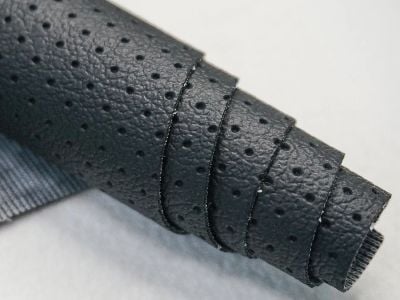
Car seats made from leather are a popular choice in the automotive industry due to their durability, aesthetic appeal, and comfort. However, when considering leather car seats, it is crucial to understand the key performance requirements that are essential for automotive applications. This article will explore the specifications that matter most to buyers, including quality, material selection, and common issues, as well as provide insights on sourcing high-quality car seats leather options.
Understanding Key Specifications for Leather Car Seats in Automotive Use
When evaluating leather for car seats, several key specifications should be considered to ensure the product meets the demands of automotive environments. Key specifications include durability, thickness, flexibility, and resistance to various environmental factors.
Durability: Leather used in car seats must withstand daily wear and tear. This typically requires a minimum abrasion resistance level, often measured in cycles of a Martindale test. A higher count indicates greater durability, which is crucial for maintaining the appearance and functionality of the seats over time.
Thickness: The thickness of the leather impacts not only its durability but also its aesthetic appeal and comfort. Standard thickness for automotive leather ranges from 0.9 mm to 1.2 mm. Thicker leather can offer more protection but may reduce flexibility, so finding a balance based on the intended use is essential.
Flexibility: In automotive applications, leather must maintain its shape while allowing for the comfort of the vehicle occupants. A good quality leather should have enough flexibility to contour to seat designs without cracking or creasing.
Environmental Resistance: Leather car seats must be resistant to moisture, UV rays, and temperature fluctuations. This is often achieved through coatings or treatments that enhance performance. Eco-friendly synthetic leather fabric for car seats, such as those produced by CIGNO LEATHER, can provide these properties while also addressing sustainability concerns.
Where to Source High-Quality Leather for Car Seat Manufacturing
Sourcing high-quality leather involves several considerations, including material type, supplier reliability, and compliance with industry standards. Buyers should prioritize suppliers who offer certified products, such as those meeting USDA and GRS standards, as these certifications ensure that the materials are not only high-quality but also environmentally friendly.
Material Types: With advancements in manufacturing, several types of leather alternatives are available, including PU, Microfiber, and Vegan leather. Each type has its unique advantages. For example, PU leather is known for its water resistance and ease of cleaning, while Microfiber offers a soft feel and robust durability.
Supplier Reliability: When selecting a supplier, it's vital to evaluate their production capabilities, quality control processes, and customer feedback. Suppliers like CIGNO LEATHER, which specialize in eco-friendly synthetic leathers and have substantial production capacities—over 200,000 meters monthly—are often more reliable.
Compliance and Certifications: Ensure that suppliers adhere to environmental and safety standards. Certifications such as those from USDA and GRS are indicators of a supplier's commitment to sustainability and product quality, which are increasingly important in the automotive industry.
Common Problems with Leather Car Seats and Effective Solutions
Despite their advantages, leather car seats can experience a range of issues that buyers should be aware of. Common problems include cracking, fading, and staining. Understanding these issues allows for proactive solutions.
Cracking: This often occurs due to insufficient flexibility or exposure to extreme conditions. To combat this, choose leathers treated for flexibility and consider regular maintenance, such as conditioning treatments to retain moisture.
Fading: Exposure to UV light can cause colors to fade over time. Selecting UV-resistant materials or applying protective coatings can mitigate this issue. Regular cleaning and maintenance will also help maintain the color integrity of the seats.
Staining: Spills and dirt can lead to unsightly stains. Opting for water-resistant leather and using appropriate cleaning products can help keep seats looking new. When sourcing leather, inquire about the ease of cleaning and any protective treatments applied to the material.
Installation Guidelines for Leather Car Seats in Vehicles
Proper installation of leather car seats is crucial for both safety and durability. Buyers should follow specific guidelines to ensure that the seats are fitted correctly to the vehicle's specifications.
Pre-Installation Checks: Before installation, confirm that all seat components are present and undamaged. This includes frames, brackets, and fasteners. Buyers should also verify that the leather fits the seat design and dimensions accurately.
Installation Process: Follow the manufacturer’s guidelines closely during installation. This typically involves securing the seat frame, attaching the leather upholstery, and ensuring that all components are tight and secure. Proper installation helps prevent wear and tear.
Final Inspection: After installation, conduct a thorough inspection. Check for any signs of misalignment or loose components and ensure that the leather is taut and free of wrinkles. This step is critical for both aesthetics and comfort.
Comparing Performance Features of Eco-Friendly Leather Options
As the automotive industry increasingly shifts towards sustainability, eco-friendly leather options are gaining traction. When comparing these options, buyers should consider performance features such as durability, maintenance, and environmental impact.
Durability: Eco-friendly leathers, such as those made from PU or Microfiber, can offer comparable durability to traditional leather. Investigating the abrasion resistance and longevity of these materials is crucial.
Maintenance: The ease of cleaning and care should also be evaluated. Many eco-friendly options come with coatings that enhance water and stain resistance, making maintenance simpler compared to traditional leather.
Environmental Impact: Assessing the production methods and sourcing of materials is essential. Eco-friendly leathers should use sustainable practices and materials to minimize environmental harm, aligning with the growing demand for greener products in the automotive sector.
By understanding these key performance requirements and sourcing considerations, buyers can make informed decisions regarding leather upholstery leather for car seats that meet their specific needs, ensuring both quality and sustainability in their automotive applications.
Table of Contents
- Understanding Key Specifications for Leather Car Seats in Automotive Use
- Where to Source High-Quality Leather for Car Seat Manufacturing
- Common Problems with Leather Car Seats and Effective Solutions
- Installation Guidelines for Leather Car Seats in Vehicles
- Comparing Performance Features of Eco-Friendly Leather Options