AR
AR
 CS
CS
 NL
NL
 FR
FR
 DE
DE
 EL
EL
 HI
HI
 IT
IT
 JA
JA
 KO
KO
 NO
NO
 PL
PL
 PT
PT
 RU
RU
 ES
ES
 SV
SV
 TL
TL
 IW
IW
 ID
ID
 SR
SR
 UK
UK
 VI
VI
 MT
MT
 TH
TH
 FA
FA
 AF
AF
 MS
MS
 GA
GA
 HY
HY
 AZ
AZ
 BN
BN
 LA
LA
 MN
MN
 KK
KK
 UZ
UZ
 KU
KU



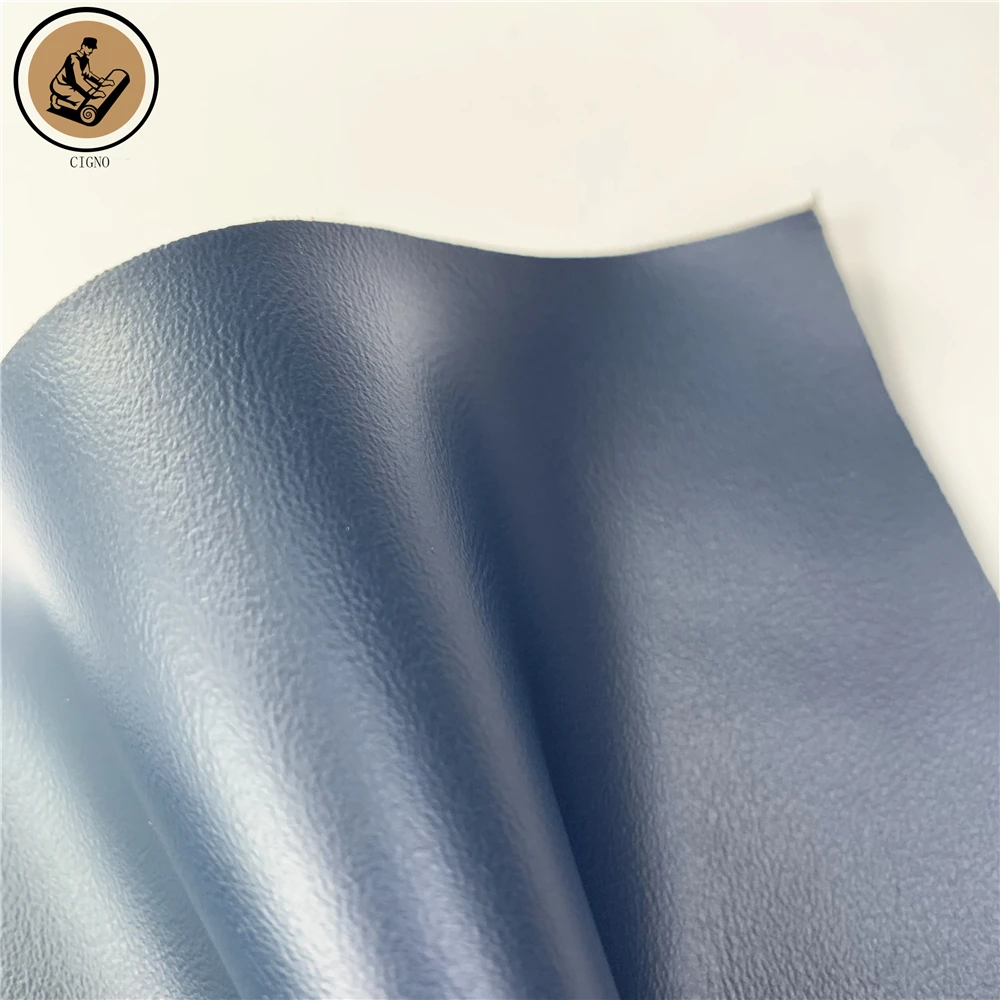
Sofa leather colors and finishes play a crucial role in the decision-making process for furniture buyers, especially those in B2B purchasing roles. Understanding the various options available—ranging from traditional leathers to eco-friendly synthetic alternatives—can make a significant difference in aesthetic appeal, durability, and application suitability. This guide aims to help buyers navigate the complexities of selecting the Cigno Leather right PU Leather colors and finishes that align with their project needs, ensuring they make an informed purchasing decision.
Choosing the Right Sofa Leather Colors for Your Project Needs
Selecting the appropriate sofa leather color is not purely aesthetic; it involves understanding the target market and the intended application of the furniture. Darker colors, such as deep browns or blacks, often convey a sense of luxury and sophistication, making them suitable for high-end commercial environments like hotels and executive offices. In contrast, lighter colors, such as beiges or pastels, can create a more relaxed and inviting atmosphere, ideal for residential settings or casual dining establishments.
Another factor to consider is the overall design scheme of the space. For example, if the surrounding decor features bold colors or patterns, opting for a neutral leather can help balance the visual impact without overwhelming the space. Conversely, if the environment is more subdued, a pop of color in the sofa leather can serve as a focal point, drawing the eye and enhancing the overall design.
Buyers should also think about maintenance and longevity when selecting colors. Darker hues tend to show less dirt and wear over time, making them practical choices for high-traffic areas. On the other hand, while lighter colors may require more frequent cleaning, they can provide a fresh and modern look that appeals to specific demographic groups.
How to Compare Sofa Leather Finishes for Wholesale Purchasing?
When evaluating sofa leather finishes, buyers should consider the specific performance characteristics required for their applications. Common finishes include matte, semi-gloss, and glossy options, each offering distinct benefits. Matte finishes, for example, provide a more natural look and feel, while glossy finishes can enhance color vibrancy and are often easier to clean.
Buyers should also be aware of the material composition of the leather. Eco-friendly options, such as PU and vegan leather, are becoming increasingly popular due to their sustainability credentials and versatility. These materials can mimic the appearance of traditional leather while offering unique benefits such as increased resistance to stains and damage.
Another critical aspect of comparing finishes is to evaluate their durability. For instance, finishes with anti-abrasion properties are particularly advantageous in environments where heavy use is expected. Buyers should look for certifications, such as USDA and GRS, which indicate the materials meet specific environmental and quality standards. Additionally, a sample approval process is recommended to assess the finish's appearance and tactile quality before committing to a bulk order.
Cost Factors to Consider When Buying Sofa Leather in Bulk
Several cost factors should be evaluated when purchasing sofa leather in bulk. First, the type of leather plays a significant role in pricing. Traditional leather often comes at a higher price point compared to synthetic options like PU and microfiber, which can offer cost savings without sacrificing quality or appearance.
Moreover, the thickness and quality of the material can also affect cost. Thicker leather typically provides better durability and longevity, which can justify a higher initial investment. However, buyers should balance this with their budget and the expected lifecycle of the furniture.
Another key consideration is the minimum order quantity (MOQ). Suppliers like CIGNO LEATHER can accommodate various order sizes, which may influence overall pricing. Buyers should also factor in shipping costs, as larger orders might incur higher freight charges, impacting the total cost of acquisition.
Lastly, customization options can also affect pricing. Custom colors, finishes, or specific dimensions may require additional setup fees or longer lead times, so it’s essential to clarify these details during the negotiation process.
Installation Guidance for Different Sofa Leather Applications
Proper installation is crucial for ensuring that sofa leather performs well in its intended application. For residential furniture, the installation process typically involves attaching the leather to a frame using staples or adhesive. It’s essential to ensure that the leather is stretched evenly to avoid wrinkles and ensure a professional finish.
In commercial settings, the process may be more complex, requiring specialized tools and techniques. For example, upholstery for a high-use area, such as a hotel lobby, should be installed with an emphasis on durability and ease of maintenance. Buyers should also ensure that the installation team is familiar with the specific properties of synthetic leathers, as they can behave differently from traditional leathers during installation.
Additionally, it’s advisable to conduct a quality check post-installation. This includes inspecting for any visible defects, ensuring that seams are tight and secure, and confirming that the Cigno Leather upholstery sofa leather adheres well to the furniture frame. Addressing any issues early can help avoid costly repairs or replacements down the line.
Common Problems with Leather Finishes and Their Solutions
Leather finishes can encounter several common problems, each requiring specific solutions. One frequent issue is discoloration, which can occur due to exposure to sunlight or poor-quality dyes. To mitigate this, buyers should select high-quality materials with UV protection and consider placing the furniture away from direct sunlight.
Another problem is wear and tear, especially in high-traffic areas. Buyers should look for finishes that offer anti-abrasion properties to prolong the life of the leather. Regular maintenance, such as cleaning with appropriate products, can also help preserve the leather's appearance and functionality.
Stains are another common concern. While many synthetic leathers provide excellent stain resistance, spills can still occur. Buyers should be aware of the recommended cleaning methods for their specific leather type to avoid permanent damage. For instance, while water-based solutions may work for certain finishes, others might require specialized cleaners.
In cases where the leather does become damaged, quick action is crucial. Minor scratches can often be repaired with conditioning products, while larger tears may need professional intervention. Establishing a relationship with a trusted upholstery service can provide peace of mind for maintenance and repairs.
By understanding these common issues and their solutions, buyers can ensure that their investment in Cigno Leather sofa leather remains protected and maintains its aesthetic appeal for years to come.
Table of Contents
- Choosing the Right Sofa Leather Colors for Your Project Needs
- How to Compare Sofa Leather Finishes for Wholesale Purchasing?
- Cost Factors to Consider When Buying Sofa Leather in Bulk
- Installation Guidance for Different Sofa Leather Applications
- Common Problems with Leather Finishes and Their Solutions