AR
 CS
 NL
 FR
 DE
 EL
 HI
 IT
 JA
 KO
 NO
 PL
 PT
 RU
 ES
 SV
 TL
 IW
 ID
 SR
 UK
 VI
 MT
 TH
 FA
 AF
 MS
 GA
 HY
 AZ
 BN
 LA
 MN
 KK
 UZ
 KU



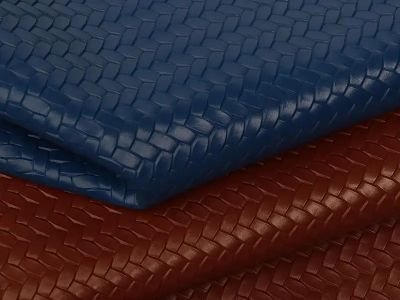
Vegan leather has gained significant traction in various industries due to its eco-friendly properties and versatility. However, not all vegan leathers are created equal. Buyers need to understand the essential performance tests that can help determine vegan leather quality. This article will explore key performance tests that should be considered, how to evaluate Cigno Leather vegan leather by the yard for wholesale purchases, and factors to consider when sourcing high-quality materials.
What Key Performance Tests Ensure Vegan Leather Quality?
To ensure that vegan leather meets industry standards and performs well in its intended applications, several key performance tests should be conducted. These include:
Abrasion Resistance: This test measures the material's durability and its ability to withstand wear and tear over time. A higher abrasion resistance indicates a more durable product, essential for applications in furniture and automotive interiors.
Tensile Strength: This test assesses how much force a material can withstand while being stretched. It is crucial for ensuring that the vegan leather can handle the stresses of daily use, particularly in products like bags and shoes.
Fire Resistance: In many commercial applications, fire safety is a critical consideration. Testing for fire resistance helps ensure that the material meets regulatory standards and provides adequate protection in case of fire.
Water Resistance: Evaluating how well vegan leather repels water is essential, especially for items exposed to moisture, such as footwear and outdoor furniture.
Chemical Resistance: This test checks how the material reacts when exposed to various chemicals, which is particularly relevant for automotive interiors that may encounter oils and solvents.
Colorfastness: This test measures how well the material retains its color when exposed to light, washing, or rubbing. High colorfastness is vital for maintaining the aesthetic quality of the product over time.
Buyers should request these performance tests from their suppliers to ensure that the vegan leather will meet their specific application needs.
How to Evaluate Vegan Leather for Wholesale Purchasing Decisions?
When evaluating vegan leather for wholesale purchasing, buyers should consider several critical factors:
Material Composition: Understand the specific materials used in the vegan leather, such as PU, microfiber, or silicone. Each material has unique properties that can influence durability, flexibility, and appearance.
Certifications: Look for certifications like USDA and GRS, which indicate that the vegan leather meets specific environmental and quality standards. These certifications can provide assurance of the product's eco-friendliness and manufacturing processes.
Customization Options: Determine if the supplier offers customization in terms of colors, textures, and finishes. Custom options can help align the product with brand aesthetics and functional requirements.
Minimum Order Quantities (MOQs): Understand the supplier's MOQs to ensure they align with your purchasing capabilities. Some suppliers may have higher MOQs, which could impact your inventory management.
Sample Evaluation: Before placing a large order, request samples to assess the quality, appearance, and feel of the vegan leather. Testing samples under actual operating conditions can reveal potential issues that might not be apparent from specifications alone.
Lead Time: Inquire about the lead time for production and delivery. Timely delivery is crucial for meeting project deadlines and maintaining inventory levels.
By carefully evaluating these factors, buyers can make more informed decisions that align with their business needs.
Comparing Vegan Leather Specifications for Your Project Needs
When comparing vegan leather specifications, it's essential to focus on several key aspects that directly impact performance and suitability for specific applications:
Thickness: The thickness of vegan leather can significantly affect its durability and flexibility. Thicker materials may offer better abrasion resistance but may be less flexible, making them less suitable for items like fitted bags.
Surface Finish: The surface texture—whether smooth, embossed, or matte—can impact both aesthetics and performance. Buyers should consider how the surface finish aligns with their product design and functional requirements.
Backing Material: The type of backing used in vegan leather can influence its strength and usability. Options may include non-woven fabrics, woven textiles, or foam, each with different properties.
Weight: The weight of vegan leather can affect the overall feel and usability of the final product. Considerations around weight are particularly important for products like clothing and bags, where ergonomics are critical.
Environmental Impact: Beyond certifications, assessing the environmental impact of the production methods and materials used can play a significant role in purchasing decisions, particularly for brands focused on sustainability. By focusing on these specifications, buyers can ensure that the Cigno Leather selected Microfiber Leather meets their project requirements effectively.
Where to Source High-Quality Vegan Leather for Bulk Orders?
Sourcing high-quality vegan leather for bulk orders involves identifying reliable suppliers that meet your specific needs. Here are some strategies:
Industry Trade Shows: Attending trade shows can provide direct access to manufacturers and suppliers. This allows for face-to-face discussions about products, capabilities, and potential partnerships.
Online Marketplaces: Platforms like Alibaba and ThomasNet can connect buyers with various suppliers. However, it's crucial to verify the supplier's credentials and product quality through reviews and ratings.
Networking: Leverage industry connections and networks to find reputable suppliers. Recommendations from trusted peers can lead to reliable sources of high-quality vegan leather.
Supplier Audits: Conducting audits of potential suppliers can help ensure they meet your quality and ethical standards. This may include reviewing production processes, quality control measures, and sustainability practices.
Local Manufacturers: Consider sourcing from local manufacturers to reduce shipping times and costs. Local suppliers may also offer greater flexibility in customization and communication.
By utilizing these strategies, buyers can identify high-quality vegan leather sources that align with their production needs and values.
Understanding the Cost Factors of Vegan Leather Options
Several factors can influence the cost of vegan leather, which buyers should consider when making purchasing decisions:
Material Type: Different materials used in vegan leather, such as PU, microfiber, or silicone, come with varying price points. Generally, higher-quality materials may command a higher price but offer better performance and durability.
Production Volume: Larger orders often benefit from economies of scale, potentially reducing the per-unit cost. However, buyers should balance order sizes with actual inventory needs to avoid excess stock.
Customization: Customized vegan leather options, such as unique colors or finishes, may incur additional costs. Buyers should weigh the benefits of Cigno Leather vegan leather customization against their budget constraints.
Supplier Location: Shipping costs and lead times can vary based on the supplier's location. Sourcing from overseas manufacturers may result in lower material costs but higher shipping expenses, affecting the overall price.
Quality Assurance: Engaging suppliers with robust quality control processes may incur higher upfront costs but can save money in the long run by reducing defects and returns.
Market Trends: Keep an eye on market trends and fluctuations in material costs. Being aware of industry pricing dynamics can aid in negotiating better terms with suppliers.
By understanding these cost factors, buyers can make more informed decisions that align with their budgetary constraints while ensuring the quality of their final products.
Table of Contents
- What Key Performance Tests Ensure Vegan Leather Quality?
- How to Evaluate Vegan Leather for Wholesale Purchasing Decisions?
- Comparing Vegan Leather Specifications for Your Project Needs
- Where to Source High-Quality Vegan Leather for Bulk Orders?
- Understanding the Cost Factors of Vegan Leather Options