AR
 CS
 NL
 FR
 DE
 EL
 HI
 IT
 JA
 KO
 NO
 PL
 PT
 RU
 ES
 SV
 TL
 IW
 ID
 SR
 UK
 VI
 MT
 TH
 FA
 AF
 MS
 GA
 HY
 AZ
 BN
 LA
 MN
 KK
 UZ
 KU



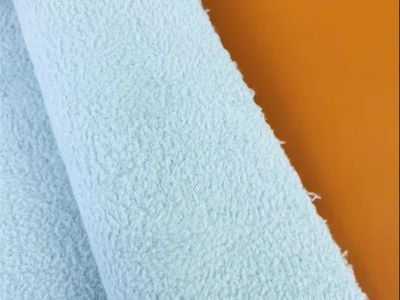
Silicone leather is an innovative synthetic material that offers exceptional durability, easy cleaning, and robust chemical resistance. As businesses increasingly look for sustainable alternatives to traditional leather, silicone leather stands out for its versatility in applications ranging from automotive interiors to furniture and fashion accessories. This article addresses key concerns for B2B buyers such as product specifications, sourcing strategies, and common issues and provides practical insights for making informed purchasing decisions regarding silicone leather.
Key Advantages for Wholesale Buyers
Wholesale buyers benefit significantly from silicone leather's unique properties. One of the primary advantages is its outstanding durability, which makes it suitable for high-traffic applications like automotive interiors and furniture. Unlike traditional leather, silicone leather resists wear and tear, ensuring a longer lifespan and reducing replacement costs. Another compelling advantage is the ease of cleaning. silicone leather can typically be wiped down with a damp cloth, making it an ideal choice for environments where hygiene is critical, such as hospitals and restaurants. Furthermore, its chemical resistance allows it to withstand exposure to various substances, making it a reliable option for manufacturers aiming to maintain product integrity. From a sustainability standpoint, silicone leather is often viewed as a more eco-friendly alternative to traditional leather, appealing to brands seeking to enhance their environmental responsibility. Buyers can also take advantage of the customization options available, allowing them to specify colors, patterns, and textures tailored to their brand needs.
How to Evaluate the Chemical Resistance of Silicone Leather?
When assessing the chemical resistance of silicone leather, buyers should consider several factors. First, it’s essential to understand the types of chemicals the material will encounter in its intended application. Common chemicals include solvents, oils, and cleaning agents that may degrade other materials but are less likely to affect silicone leather fabric. Buyers should request technical data sheets from manufacturers that detail the chemical resistance of their silicone leather products. This documentation should include information on how the material performs against specific chemicals at different concentrations and exposure times. It is also crucial to conduct field tests or request samples to evaluate the material’s performance under realistic conditions before finalizing an order. Additionally, buyers should inquire about certifications related to chemical resistance, as these can provide assurance of the material's performance. Manufacturers like CIGNO LEATHER, which specializes in eco-friendly synthetic leathers, often provide such certifications, ensuring compliance with industry standards.
Where to Source High-Quality Silicone Leather for Bulk Orders?
Sourcing high-quality silicone leather requires careful consideration of suppliers. Buyers should start by identifying manufacturers with a proven track record in producing silicone leather. It's beneficial to assess their production capacity, which can indicate their ability to meet large-volume orders consistently.
CIGNO LEATHER, for example, produces over 200,000 meters monthly, showcasing their capability to handle significant bulk orders. When evaluating potential suppliers, request samples to assess material quality and performance. This step is critical, as it allows buyers to verify the look, feel, and durability of the silicone leather before making a larger commitment. Buyers should also examine the supplier's compliance with relevant certifications, such as USDA and GRS, which ensure that the materials meet specific quality and environmental standards. Finally, consider the logistical aspects of sourcing, including lead times, packaging methods, and shipping options, to ensure that the supply chain aligns with your business needs.
Silicone Leather vs. Traditional Materials
Silicone leather offers distinct advantages over traditional materials like genuine leather and vinyl. One of the primary differences is durability. While genuine leather can be susceptible to scratches, stains, and water damage, silicone leather is engineered to resist these issues, making it a practical choice for demanding applications. In terms of maintenance, silicone leather requires less upkeep than traditional leather, which may need conditioning and specialized cleaning products. This ease of maintenance translates to lower long-term costs for businesses. Another important distinction is the environmental impact. Traditional leather production often involves harmful tanning processes and contributes to significant waste. In contrast, silicone leather is typically produced using more sustainable methods and can be made from recycled materials, appealing to manufacturers seeking environmentally friendly options. However, buyers should also consider the specific requirements of their applications. Silicone leather may not replicate the exact aesthetic and tactile qualities of natural leather, which some consumers still prefer. Understanding these nuances will help buyers choose the right material for their needs.
Common Problems with Silicone Leather and How to Solve Them
While silicone leather boasts many benefits, it is not without potential challenges. One common issue buyers may encounter is the material's susceptibility to UV degradation over time. To combat this, it’s advisable to choose silicone leather products that include UV stabilizers, which can prolong the material's lifespan when exposed to sunlight. Another concern is the potential for color fading, especially in brightly colored silicone leathers. To mitigate this, buyers should request samples and test them under conditions similar to their intended use. Additionally, inquire about the manufacturer's color fastness testing results to ensure the material will maintain its appearance over time. Manufacturing defects, such as uneven texture or surface imperfections, can also arise. Buyers should establish a clear quality control process that includes thorough inspections of samples and finished products. Collaborating closely with manufacturers like CIGNO LEATHER, which emphasizes rigorous quality control processes, can help ensure that any issues are addressed before mass production. Lastly, buyers should be aware of the compatibility of silicone on leather boots with other materials in their products. For example, if silicone leather is used in conjunction with certain adhesives or coatings, it may require specific formulations to ensure optimal bonding. Engaging in open dialogue with suppliers about these compatibility factors can prevent issues during the production phase. By understanding these common problems and implementing proactive solutions, buyers can effectively leverage the advantages of silicone leather while minimizing potential drawbacks.