AR
 CS
 NL
 FR
 DE
 EL
 HI
 IT
 JA
 KO
 NO
 PL
 PT
 RU
 ES
 SV
 TL
 IW
 ID
 SR
 UK
 VI
 MT
 TH
 FA
 AF
 MS
 GA
 HY
 AZ
 BN
 LA
 MN
 KK
 UZ
 KU



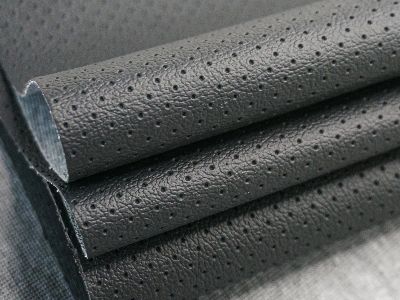
Eco leather has gained significant traction in various industries due to its sustainable properties and versatility. Manufacturers seeking the right eco leather applications often face challenges in material selection and quality assurance. This article provides insights into how to evaluate eco leather fabric materials, the differences between PU, microfiber, and vegan options, and practical guidance for buyers. By understanding these factors, purchasing managers and product developers can make informed decisions that align with their sustainability goals while ensuring product performance.
How to Evaluate the Quality of Eco Leather Materials?
Evaluating the quality of eco leather materials is critical for manufacturers aiming to meet both aesthetic and functional requirements. Key factors include the material composition, thickness, and certifications.
Material Composition: Eco leather can be made from various synthetic materials, including polyurethane (PU), microfiber, and vegan leather. Each composition affects durability, appearance, and suitability for different applications. For instance, PU leather is often chosen for its softness and flexibility, while microfiber is known for its breathability and resistance to wear.
Thickness: The thickness of eco leather impacts its performance in applications. Thicker materials may provide better durability but could be less flexible, which is an important consideration in automotive interiors or clothing. Buyers should specify thickness requirements based on the intended use.
Certifications: Look for certifications such as USDA and GRS, which verify that the eco leatherette meets environmental and social standards. These certifications can enhance product credibility and appeal to eco-conscious consumers.
Understanding these aspects helps buyers assess whether eco leather will meet their quality expectations and application needs.
PU, Microfiber, and Vegan Options
When selecting eco leather, buyers often encounter various types: PU, microfiber, and vegan leather, each with unique characteristics and applications.
PU Leather: Known for its luxurious feel, PU leather is a popular choice for furniture and automotive interiors. It offers a good balance of durability and aesthetics, making it suitable for high-traffic areas. However, buyers should be aware of the potential for wear over time, depending on the thickness and quality of the PU layer.
Microfiber Leather: This option is highly regarded for its durability and water resistance. Microfiber leather is often used in items subject to heavy use, such as bags and shoes. It provides a soft texture while being easy to clean, which is an essential consideration for consumers seeking low-maintenance options.
Vegan Leather: Often made from plant-based materials, vegan leather appeals to environmentally conscious buyers. However, the durability and maintenance of vegan leather can vary significantly based on its production methods. It’s crucial to evaluate the specific material properties, as some vegan leather material may not withstand heavy use as effectively as PU or microfiber options.
By understanding the strengths and limitations of each type, buyers can better match eco leather options to their specific product requirements.
A Buyer’s Guide
When preparing to purchase eco leather, buyers should consider several factors to ensure they choose the right material for their applications. This guide outlines key elements to address:
Application Requirements: Clearly define how the eco leather will be used, whether for automotive interiors, furniture, or fashion items. Each application may have different durability and aesthetic requirements.
Specifications: Specify the desired thickness, texture, and color of the eco leather. Providing detailed specifications will help manufacturers offer suitable samples and quotations.
Customization Needs: Many manufacturers, including CIGNO LEATHER, offer customization options. Discuss any specific design or branding requirements early in the process to ensure alignment between expectations and capabilities.
Minimum Order Quantities (MOQ): Understand the MOQ for various materials. This can impact your purchasing strategy, especially if you're looking to test a new product line or require smaller batches for specific projects.
Lead Times: Inquire about production lead times, especially if you have a tight project schedule. Knowing how long it will take to receive samples and final products will help you plan accordingly.
By addressing these factors, buyers can streamline their purchasing process and reduce the risk of errors or misalignment with their project goals.
Common Problems with Eco Leather and Effective Solutions
Despite the advantages of eco leather, buyers may encounter several common issues during production and usage. Recognizing these challenges and knowing how to address them can help ensure satisfaction with the final product.
Durability Concerns: One of the most frequent issues is wear and tear, particularly with lower-quality materials. Buyers should prioritize thickness and quality certifications when selecting eco leather. Conducting wear tests on samples can help evaluate long-term performance.
Color Fading: Some eco leathers may experience color fading when exposed to sunlight or harsh cleaning agents. To mitigate this, buyers should confirm that the material includes UV resistance features and request care instructions from the manufacturer.
Odor Issues: Certain synthetic materials can have a strong odor, especially when new. This can be a concern, particularly for items used in enclosed spaces like cars or furniture. Buyers should communicate this concern during the sourcing process and request samples to evaluate the odor before making a larger purchase.
By anticipating these problems, buyers can take proactive steps to ensure their selected eco leather meets their expectations and reduces the likelihood of returns or dissatisfaction.
Understanding Technical Specifications of Eco Leather Products
Technical specifications are crucial in assessing the suitability of eco leather for specific applications. Buyers should familiarize themselves with key parameters that can affect performance:
Abrasion Resistance: This specification indicates how well the eco leather can withstand surface wear. It is particularly relevant for high-traffic applications, such as automotive interiors. Buyers should look for materials that meet industry standards for abrasion resistance.
Fire Resistance: For applications in vehicles and public spaces, fire resistance is a vital consideration. Ensure that the eco leather meets relevant safety standards, and request certification documentation from manufacturers.
Water Resistance: Depending on the application, water resistance can be a significant factor. Assess the manufacturer's testing methods and certifications to ensure the eco leather will perform as needed in moist or wet conditions.
Maintenance Requirements: Different eco leather materials have varying cleaning and maintenance needs. Buyers should clarify care instructions and consider the long-term usability of the material based on these requirements.
By understanding these technical specifications, buyers can make informed decisions and select eco leather products that fulfill both performance and aesthetic criteria for their applications.