AR
 CS
 NL
 FR
 DE
 EL
 HI
 IT
 JA
 KO
 NO
 PL
 PT
 RU
 ES
 SV
 TL
 IW
 ID
 SR
 UK
 VI
 MT
 TH
 FA
 AF
 MS
 GA
 HY
 AZ
 BN
 LA
 MN
 KK
 UZ
 KU



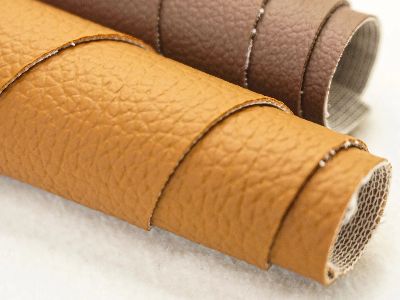
Choosing the right silicone leather for automotive and upholstery applications is crucial for ensuring durability, comfort, and aesthetic appeal. With various options available, B2B buyers, including purchasing managers, engineers, and product managers, face several concerns, such as material performance, cost, and installation requirements. This article will guide you through the essential factors to consider when selecting silicone leather, helping you make an informed purchasing decision
How to Choose the Right Silicone Leather for Automotive Interiors
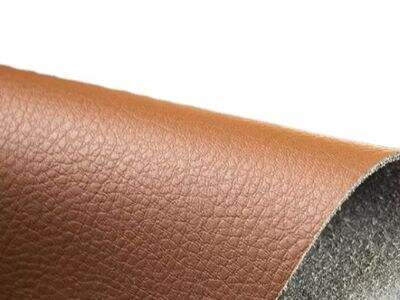
When selecting silicone leather for automotive interiors, consider key specifications such as thickness, texture, and color. Thickness affects durability and wear resistance; for instance, thicker materials are typically more robust but may be less flexible. Texture is also vital, as it influences both aesthetics and grip. For automotive applications, a textured surface can enhance the tactile experience while providing additional safety features
Another critical factor is the material's resistance to environmental conditions. Automotive interiors are often exposed to moisture, heat, and UV light, which can degrade inferior materials. Opting for silicone leather with anti-mildew and fire-resistant properties, like those offered by CIGNO LEATHER, ensures longevity and safety
It’s also essential to confirm the compatibility of the silicone leather with your specific application. Different vehicle types may require varying grades of silicone leather to meet performance standards and aesthetic preferences. Always request samples and verify that they meet your specifications before proceeding with an order
Cost Considerations for Bulk Orders of Silicone Leather Products
Cost is a significant consideration for B2B buyers looking to purchase silicone leather in bulk. Several factors can influence pricing, including the material grade, order volume, and customization requirements. Generally, purchasing in larger quantities can yield a lower per-unit cost; however, it’s essential to balance cost with quality
When evaluating costs, also consider the total cost of ownership. A lower upfront price may lead to higher maintenance costs if the material does not perform well in its application. For example, a silicone leather that is less durable may require more frequent replacements, negating any initial savings
Inquire about the minimum order quantity (MOQ) and how it relates to pricing. Manufacturers like CIGNO LEATHER often have set MOQs that can affect your purchasing strategy. Additionally, check for any additional costs associated with shipping and materials certification, as these can impact your overall budget
Comparing Silicone Leather to Other Upholstery Materials
Silicone leather has distinct advantages over traditional upholstery materials such as genuine leather, vinyl, and other synthetics. One of the primary benefits is its eco-friendliness; silicone leather is often produced without the harmful chemicals associated with conventional leather tanning processes
In terms of performance, silicone on leather boots offers excellent resistance to abrasion, which is crucial for high-traffic areas like automotive interiors. It is also more resistant to UV degradation compared to vinyl, making it a more sustainable choice for long-term use. Additionally, silicone leather is easier to clean and maintain, providing a practical advantage for end-users
However, it's essential to consider the specific application needs. While silicone leather is ideal for automotive interiors due to its durability and safety features, other materials may be more suitable for different environments, such as high-end furniture or fashion accessories. Evaluate the intended use and required properties carefully to make an informed choice
Installation Guidance for Silicone Leather in Vehicle Upholstery
Proper installation of silicone leather in vehicle upholstery is critical to achieving the desired look and performance. Before installation, ensure that the surface is clean and free from contaminants that could affect adhesion. It's recommended to use specialized adhesives compatible with silicone materials to ensure a secure bond
During installation, pay close attention to the stretching and alignment of the material. Silicone leather can be more forgiving in terms of stretch compared to other materials, but it’s crucial to avoid overstretching, which can lead to wrinkling or a compromised finish
If you are new to working with silicone leather, consider consulting with experienced installers or requesting guidance from your supplier. Manufacturers like CIGNO LEATHER can provide installation recommendations and tips to help ensure a successful application. Additionally, testing a small sample piece before full installation can help identify any potential issues
Trusted Quality Control Practices for Silicone Leather Manufacturing
Quality control is paramount when sourcing silicone leather fabric for automotive and upholstery applications. Reputable manufacturers implement stringent inspection processes to ensure their products meet industry standards. Look for suppliers that have certifications such as USDA and GRS, which indicate compliance with environmental and quality benchmarks
A reliable quality control process typically includes raw material inspections, in-process checks, and final product evaluations. It’s advisable to ask the manufacturer about their quality assurance protocols and any testing methods they use to assess material performance, such as abrasion resistance and colorfastness
Before placing a bulk order, request samples that have gone through the quality control process. This will allow you to evaluate the material’s appearance, texture, and performance characteristics firsthand, ensuring it meets your specifications before proceeding with larger quantities. A proactive approach to quality assurance can help mitigate risks and ensure that you receive a product that fits your needs
Table of Contents
- How to Choose the Right Silicone Leather for Automotive Interiors
- Cost Considerations for Bulk Orders of Silicone Leather Products
- Comparing Silicone Leather to Other Upholstery Materials
- Installation Guidance for Silicone Leather in Vehicle Upholstery
- Trusted Quality Control Practices for Silicone Leather Manufacturing