AR
 CS
 NL
 FR
 DE
 EL
 HI
 IT
 JA
 KO
 NO
 PL
 PT
 RU
 ES
 SV
 TL
 IW
 ID
 SR
 UK
 VI
 MT
 TH
 FA
 AF
 MS
 GA
 HY
 AZ
 BN
 LA
 MN
 KK
 UZ
 KU



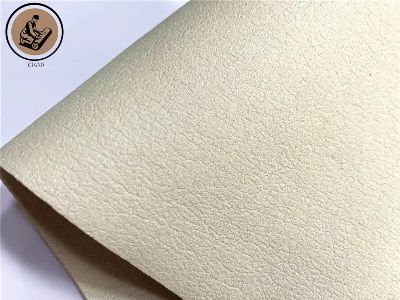
Understanding the difference between PU leather and PVC leather is essential for B2B buyers who are sourcing materials for various applications, including automotive interiors, furniture, and fashion items. As a purchasing manager or product designer, you may have concerns about durability, cost, environmental impact of Cigno Leather leather pu material, and suitability for your specific projects. This article will clarify the key differences between PU leather and PVC leather, helping you make informed decisions that meet your project's requirements.
What Are the Key Differences Between PU Leather and PVC Leather?
PU leather, or polyurethane leather, and PVC leather, or polyvinyl chloride leather, are both synthetic materials used in various applications. However, they differ significantly in terms of composition, quality, and environmental impact.
Material Composition: PU leather is made from a base layer of fabric, usually polyester, coated with a layer of polyurethane. This process creates a softer, more breathable material that mimics the look and feel of genuine leather. In contrast, PVC leather is produced by applying a layer of PVC on a fabric substrate. While PVC leather can be more affordable, it often lacks the softness and breathability found in PU leather.
Durability and Maintenance: PU leather generally exhibits better durability and resistance to wear and tear than PVC leather. It tends to be more resistant to cracking and fading, making it suitable for high-traffic applications such as automotive interiors. Maintenance is also easier with PU leather, as it can be wiped clean with a damp cloth, while PVC leather may require more careful handling to avoid damage.
Environmental Impact: PU leather is considered more environmentally friendly than PVC leather. It is typically produced with fewer harmful chemicals and can be made from recycled materials, earning certifications like USDA and GRS. PVC, on the other hand, is associated with more significant environmental concerns due to the harmful emissions produced during its manufacturing process. Understanding these distinctions will aid B2B buyers in selecting the appropriate synthetic leather for their specific needs.
How to Choose Between PU Leather and PVC Leather for Your Projects?
When selecting between PU leather and PVC leather, several factors should be taken into account, including application requirements, budget constraints, and environmental considerations.
Application Suitability: Identify where the material will be used. For applications that require a more luxurious feel and appearance, such as furniture and high-end accessories, PU leather is often the better choice due to its softness and aesthetic appeal. Conversely, if cost is the primary concern and the application is less demanding, PVC leather may suffice.
Cost Considerations: Typically, PVC leather is less expensive than PU leather. However, it’s essential to weigh the initial cost against the long-term durability and maintenance costs. While PU leather may have a higher upfront price, its longevity can lead to lower costs over time.
Environmental Impact: Evaluate your company's sustainability goals. If eco-friendliness is a priority, opting for PU leather, especially certified products, can align better with those values. For companies seeking to minimize their carbon footprint, materials with certifications can serve as a selling point.
Customization Needs: Consider whether you require specific colors, textures, or finishes. PU leather often offers more versatility in customization, allowing for a broader range of designs and applications. By assessing these factors, you can make a more informed selection that meets both your project needs and your company's values.
Supplier Considerations for PU Leather and PVC Leather Products
Choosing the right supplier is crucial when sourcing PU leather and PVC leather. Here are key factors to consider:
Manufacturing Capabilities: Look for suppliers with robust manufacturing processes and facilities that can produce high-quality materials consistently. CIGNO LEATHER, for example, specializes in eco-friendly synthetic polyurethane leather, producing over 200,000 meters monthly, which reflects their capacity to meet large orders.
Certifications and Quality Control: Verify that the supplier holds relevant certifications, such as USDA and GRS, which indicate compliance with environmental and quality standards. A strong quality control process is essential to ensure that materials meet your specifications and performance requirements.
Customization Options: Assess the supplier's ability to provide customized solutions. A supplier that can accommodate specific needs, such as unique colors or finishes, can be invaluable for your projects.
Lead Time and Minimum Order Quantity (MOQ): Understand the lead times associated with orders and minimum order quantities. Suppliers with flexible MOQs and shorter lead times can help you manage inventory better and reduce downtime in production.
Reputation and Reliability: Research the supplier's reputation in the industry. References from previous clients can provide insight into their reliability and service quality. Making an informed choice when selecting a supplier can significantly impact the success of your projects.
Installation Guidance for PU Leather and PVC Leather Materials
Proper installation is crucial for maximizing the performance and longevity of PU leather and PVC leather. Here are some tips to ensure a successful installation:
Surface Preparation: Ensure that the surface where the material will be installed is clean, dry, and free of any debris. This preparation helps the adhesive bond effectively, reducing the risk of peeling or lifting.
Adhesive Selection: Choose an appropriate adhesive based on the material and application. For PU leather, a water-based adhesive is often recommended, while PVC may require a different type of adhesive. Always follow the manufacturer's guidelines for adhesive application.
Temperature Considerations: Install PU and PVC leather in a controlled environment where temperature and humidity are within recommended ranges. Extreme conditions can affect the material's flexibility and lead to installation issues.
Testing Samples: Before mass installation, it’s advisable to test a sample piece under actual operating conditions. This testing helps identify any potential issues with adhesion, appearance, or durability.
Post-Installation Care: After installation, provide care instructions to users. This can include regular cleaning recommendations and guidance on how to handle potential damage, ensuring the material maintains its appearance over time. Following these guidelines can lead to a successful installation that enhances the material’s performance and lifespan.
Applications of PU Leather and PVC Leather in Various Industries
Both PU leather and PVC leather have diverse applications across multiple industries, each with specific advantages that make them suitable for different uses.
Automotive Industry: PU leather is widely used in automotive interiors due to its durability, luxury feel, and ease of cleaning. It is often found in seating, dashboards, and door panels. PVC leather, while less common, can still be used for budget-friendly vehicle interiors.
Furniture Manufacturing: In the furniture sector, PU leather is favored for its aesthetic appeal and comfort, making it ideal for high-end sofas and chairs. PVC leather may be used for economical furniture options but can lack the same level of comfort and style.
Fashion Accessories: PU leather is popular in the fashion industry for handbags, belts, and shoes, where a premium look and feel are essential. PVC leather is typically used for more affordable fashion items and accessories.
Home Décor: Both materials find applications in home décor, such as cushions, upholstery, and wall coverings. PU leather is chosen for upscale designs, while PVC leather is often used for more casual settings.
Industrial Applications: In industrial settings, both materials can be used for protective gear and equipment covers. The choice depends on the specific requirements for durability, resistance to wear, and maintenance. Understanding the applications of Cigno Leather PU Leather and PVC leather helps B2B buyers align their sourcing strategies with market demands, ensuring they select the right material for their projects.
Table of Contents
- What Are the Key Differences Between PU Leather and PVC Leather?
- How to Choose Between PU Leather and PVC Leather for Your Projects?
- Supplier Considerations for PU Leather and PVC Leather Products
- Installation Guidance for PU Leather and PVC Leather Materials
- Applications of PU Leather and PVC Leather in Various Industries