AR
 CS
 NL
 FR
 DE
 EL
 HI
 IT
 JA
 KO
 NO
 PL
 PT
 RU
 ES
 SV
 TL
 IW
 ID
 SR
 UK
 VI
 MT
 TH
 FA
 AF
 MS
 GA
 HY
 AZ
 BN
 LA
 MN
 KK
 UZ
 KU



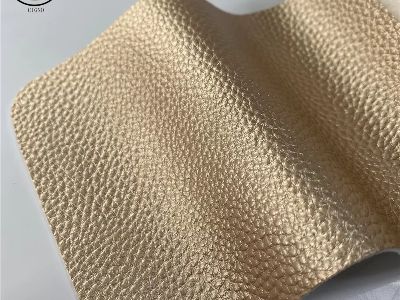
When sourcing eco leather for OEM and wholesale projects, understanding how to compare suppliers is essential. Eco leather, which includes materials like PU, Microfiber, Silicon, and Vegan leather, plays a crucial role in various industries, from automotive to fashion. B2B buyers, including purchasing managers and product developers, often face challenges in ensuring quality, performance and compliance with environmental standards. This article will guide you through the factors to consider when comparing eco leather suppliers, helping you make informed decisions that align with your project needs.
How to Choose the Right Eco Leather Supplier for Your Projects?
Selecting an appropriate eco leather supplier involves evaluating several key factors. Start by assessing the supplier's product range to ensure they offer the specific types of eco leather that meet your project requirements, such as PU or Vegan leather. It’s also vital to consider their manufacturing capabilities, including monthly production capacity. For instance, CIGNO eco leather produces over 200,000 meters of eco-friendly synthetic leather monthly, ensuring they can meet large orders. Furthermore, certifications are critical indicators of a supplier's commitment to quality and sustainability. Look for suppliers that hold certifications like USDA and GRS, which assure compliance with environmental standards. Additionally, inquire about their quality control processes to ensure that they have stringent measures in place for product inspections and testing.
Key Specifications to Evaluate When Comparing Eco Leather Suppliers
When comparing eco leather suppliers, focus on specific product specifications that impact performance and suitability for your applications. Key specifications include:
Material Composition: Understand the differences between PU, Microfiber, and other types of eco leather upholstery. Each material has unique properties affecting durability, appearance, and maintenance.
Thickness and Weight: These parameters influence the eco leather material feel and performance in applications like upholstery or apparel. Ensure the thickness aligns with your intended use.
Durability Features: Look for properties such as anti-mildew, anti-abrasion, and fire resistance, which can be critical depending on your application. For example, in automotive interiors, fire resistance is a regulatory requirement.
Customization Options: If your project requires specific colors, textures, or finishes, verify the supplier's ability to offer these customizations.
Minimum Order Quantity (MOQ): Suppliers may have different MOQs, which can affect your purchasing strategy. Ensure their MOQ aligns with your project scale to avoid excess inventory costs.
What to Ask Your Eco Leather Supplier?
Before entering into a partnership, asking the right questions can save you time and resources. Consider the following inquiries:
Production Capabilities: What is your monthly production capacity, and how do you handle large orders?
Lead Times: What are the typical lead times for orders, and how do you manage unexpected delays?
Quality Assurance Processes: Can you detail your quality control measures? How do you ensure consistency across production batches?
Sustainability Practices: What sustainable practices are in place during production? Are the materials sourced responsibly?
Sample Availability: Can you provide samples for testing before placing a bulk order? This step is crucial to evaluate texture, color, and overall quality.
Common Problems When Sourcing Eco Leather and Their Solutions
Sourcing eco leather can come with challenges that buyers should be aware of. One common issue is variability in material quality. To mitigate this, always request samples and conduct thorough quality inspections before mass production. This will help identify any discrepancies in texture, color, or durability that may not be apparent from product descriptions alone. Another problem can be miscommunication regarding specifications. Clear documentation and frequent communication with your supplier can prevent misunderstandings. It is beneficial to provide detailed technical drawings and specifications to ensure that both parties have a clear understanding of the requirements. Finally, logistics can pose a challenge, especially for international shipments. Make sure to clarify packaging methods and shipping procedures to avoid delays or damage during transport. Discussing these aspects upfront can lead to smoother transactions.
Finding the Best Fit for Your Needs
To find the best eco leather supplier for your needs, conduct thorough research and comparison. Start by creating a checklist of your project requirements, including material type, specifications, and budget. Evaluate potential suppliers based on their ability to meet these criteria, along with their reputation in the industry. Engage in direct conversations with suppliers to gauge their responsiveness and willingness to accommodate your needs. A supplier that demonstrates flexibility and good communication is often more reliable in the long run. Ultimately, your choice should align not only with your immediate project needs but also with your company's values regarding sustainability and quality. By following these guidelines, you can effectively compare eco leather suppliers and make informed decisions that will benefit your OEM and wholesale projects.