AR
 CS
 NL
 FR
 DE
 EL
 HI
 IT
 JA
 KO
 NO
 PL
 PT
 RU
 ES
 SV
 TL
 IW
 ID
 SR
 UK
 VI
 MT
 TH
 FA
 AF
 MS
 GA
 HY
 AZ
 BN
 LA
 MN
 KK
 UZ
 KU



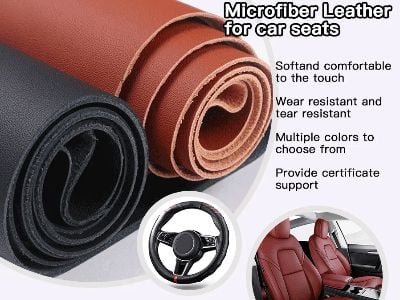
The choice between car upholstery fabric and alternative materials is a crucial decision for B2B buyers in the automotive industry. Understanding the key differences can significantly influence durability, aesthetic appeal, and overall cost-effectiveness. This article will delve into the distinctions between traditional upholstery fabrics and innovative alternatives like synthetic leather. It will also address key buyer concerns such as material performance, application suitability, and sourcing strategies to help you make informed decisions for your automotive projects.
Key Differences Between Car Upholstery Fabric and Alternatives
When comparing car upholstery fabric with alternative materials, several critical factors come into play:
Material Composition: Traditional upholstery fabrics are often woven textiles made from natural fibers like cotton or polyester, while alternative materials like PU leather, microfiber, and vegan leather are synthetic. These alternatives typically offer enhanced durability and easier maintenance.
Performance Characteristics: Synthetic options often boast superior resistance to wear and tear, moisture, and stains compared to traditional fabrics. For instance, CIGNO LEATHER's eco-friendly car upholstery fabric options feature certifications such as USDA and GRS, ensuring they meet high environmental standards while offering anti-mildew and fire-resistant properties.
Aesthetic Versatility: Alternative materials can be engineered to mimic the look and feel of genuine leather while providing a more consistent finish and color. This versatility allows manufacturers to create a wide range of styles and textures that appeal to diverse consumer tastes.
Cost Implications: While traditional fabrics may come with a lower initial cost, the long-term value of synthetic alternatives often proves more economical. Their durability leads to less frequent replacements, reducing overall lifecycle costs.
Understanding these differences is essential for automotive manufacturers seeking to balance aesthetics, functionality, and cost.
How to Choose the Right Upholstery Material for Automotive Projects?
Selecting the appropriate upholstery material for automotive applications requires careful consideration of several factors:
Application Requirements: Evaluate the specific use case for the upholstery. For high-traffic areas, consider materials with enhanced abrasion resistance and easy cleanability. CIGNO LEATHER’s PU and microfiber options are ideal for automotive interiors, offering both durability and comfort.
Environmental Considerations: With increasing scrutiny on sustainability, opting for eco-friendly materials can enhance your brand image. Materials like vegan leather not only meet environmental standards but also appeal to eco-conscious consumers.
Customization Needs: If your project requires unique patterns or colors, ensure that the supplier can accommodate customization. CIGNO LEATHER offers a range of customization options, allowing you to tailor the upholstery to your specific design needs.
Budget Constraints: Analyze your budget against the material costs and consider the total cost of ownership. While some synthetic alternatives may have a higher upfront cost, their longevity can lead to significant savings over time.
Compliance and Certifications: Ensure that the car upholstery material meet relevant industry standards and regulations. Certifications such as USDA and GRS can provide assurance regarding the material’s environmental impact and safety.
By addressing these factors, B2B buyers can ensure they choose upholstery materials that align with their project goals and consumer expectations.
Car Upholstery Fabric vs. Alternative Materials
The ongoing debate between traditional car upholstery fabric and alternative materials highlights the strengths and weaknesses of each:
Durability: Alternative materials, particularly those produced by CIGNO LEATHER, are designed for longevity. Features like fire resistance and anti-abrasion properties make them suitable for vehicles exposed to harsh environments.
Maintenance: Synthetic options often require less maintenance than traditional fabrics, which can stain easily and wear down over time. For example, microfiber and PU leather can be wiped clean with minimal effort, making them ideal for automotive applications where cleanliness is a priority.
Aesthetic Appeal: While traditional fabrics may offer a classic look, alternative materials can provide modern aesthetics without compromising on quality. They can be produced in a variety of textures and finishes, allowing for greater design flexibility.
Environmental Impact: As sustainability becomes a focal point in manufacturing, alternative materials like CIGNO’s eco-friendly synthetic leather are increasingly favored for their reduced environmental footprint compared to conventional fabrics.
Understanding these distinctions helps buyers align their material choices with their brand values and customer expectations.
Sourcing Quality Upholstery Materials
Sourcing quality upholstery materials involves more than just selecting a supplier. Consider the following steps:
Supplier Evaluation: Research potential suppliers’ reputations, certifications, and production capabilities. A reliable car upholstery leather supplier like CIGNO LEATHER, known for its commitment to eco-friendly practices and high production standards, can provide peace of mind.
Sample Approval: Before committing to a large order, request samples to evaluate the material’s performance and appearance. This step is crucial in ensuring that the material meets your specifications and quality expectations.
Quality Control Processes: Inquire about the supplier's quality control measures to ensure consistent product quality. Understanding their testing processes, including durability and safety evaluations, can help mitigate risks.
Pricing Transparency: Discuss pricing structures upfront. Factors such as minimum order quantities (MOQ) and lead times can significantly impact your overall cost, so it’s essential to clarify these details early in the negotiation process.
Logistics and Delivery: Consider the supplier's ability to meet your delivery timelines. Reliable logistics are key to maintaining production schedules and meeting customer demands.
By following these steps, buyers can effectively navigate the sourcing process to obtain high-quality upholstery materials that meet their needs.
Common Problems with Car Upholstery Fabric and Their Solutions
Even the best upholstery materials can encounter issues. Here are common problems associated with car upholstery fabric and their solutions:
Wear and Tear: Traditional fabrics may show signs of wear faster than synthetic alternatives. To counter this, consider investing in materials like PU leather or microfiber, which offer greater durability and resistance to damage.
Staining: Upholstery fabrics can easily stain, especially in vehicles used frequently. Choose materials with stain-resistant properties or finishes, and ensure you have a maintenance plan in place that includes regular cleaning and care.
Fading: Exposure to sunlight can cause fabrics to fade over time. Look for materials with UV resistance, ensuring that they maintain their color and appearance longer, particularly for vehicles that are often parked outdoors.
Odor Retention: Some natural fabrics can retain odors from food, pets, and smoke. Opting for synthetic alternatives can reduce this problem, as they are often easier to clean and less porous.
Installation Challenges: Traditional fabrics may require more meticulous installation processes. Ensure your team is trained to handle specific materials properly or work with suppliers that provide installation guidance.
By recognizing these issues and proactively addressing them, B2B buyers can enhance the longevity and performance of their automotive upholstery choice.