AR
AR
 CS
CS
 NL
NL
 FR
FR
 DE
DE
 EL
EL
 HI
HI
 IT
IT
 JA
JA
 KO
KO
 NO
NO
 PL
PL
 PT
PT
 RU
RU
 ES
ES
 SV
SV
 TL
TL
 IW
IW
 ID
ID
 SR
SR
 UK
UK
 VI
VI
 MT
MT
 TH
TH
 FA
FA
 AF
AF
 MS
MS
 GA
GA
 HY
HY
 AZ
AZ
 BN
BN
 LA
LA
 MN
MN
 KK
KK
 UZ
UZ
 KU
KU



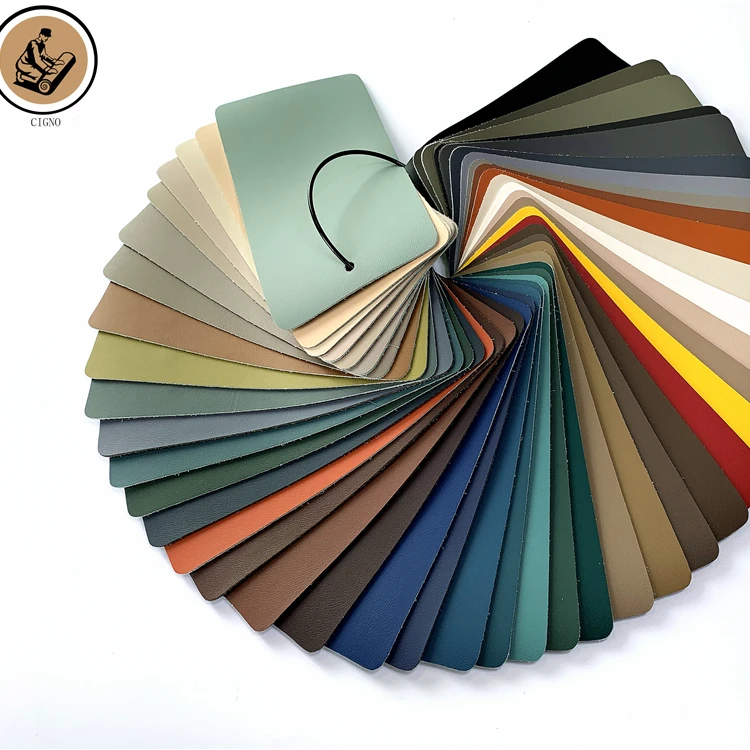
Sourcing car seat leather for automotive upholstery in bulk is a critical task for manufacturers and suppliers in the automotive industry. With the growing demand for eco-friendly materials, understanding how to select the right leather, where to source it, and the installation and quality evaluation processes becomes paramount. This article will guide you through the essential considerations and best practices for sourcing car seat leather, particularly focusing on synthetic leather fabric for car seats options like those offered by CIGNO LEATHER.
How to Choose the Right Leather for Automotive Upholstery Projects?
Choosing the appropriate leather for automotive upholstery involves several key factors. First, you need to consider the type of leather. Eco-friendly synthetic leathers, such as PU, Microfiber, and Vegan leather, are increasingly popular due to their durability and environmental benefits. These materials often boast essential features like anti-mildew, anti-abrasion, and fire resistance, which are critical for automotive applications.
Next, evaluate the specifications of the leather, including thickness, texture, and finish. For automotive upholstery, a thickness of around 1.0 to 1.5 mm is typically ideal, as it balances durability with flexibility. The texture should provide a comfortable feel for passengers while being easy to clean and maintain. It's also important to consider colorfastness and UV resistance, especially for leather exposed to sunlight.
Lastly, assess the compatibility of the leather with your production processes. Ensure that the selected material can be seamlessly integrated into your manufacturing workflow, taking into account cutting, stitching, and any specific treatment processes required.
Where to Source Eco-Friendly Car Seat Leather in Bulk?
When sourcing eco-friendly car seat leather in bulk, it’s essential to identify reliable manufacturers and distributors. Start by researching suppliers that specialize in synthetic leathers. Companies like CIGNO LEATHER, which produce over 200,000 meters of eco-friendly synthetic leather monthly, can be a valuable resource. Their certifications, such as USDA and GRS, can provide assurance of material quality and sustainability.
Consider attending industry trade shows and exhibitions to connect with potential suppliers. These events offer opportunities to see samples, discuss customization options, and negotiate pricing. Additionally, online B2B marketplaces can be effective for comparing different suppliers and their classic car seat upholstery offerings. Always request samples to evaluate quality before making a bulk order.
A Buyer’s Guide
When preparing to source car seat leather, a structured approach can streamline the purchasing process. Here’s a checklist to guide your RFQ (Request for Quotation):
Product Specifications: Define the type of leather required, including material (eg., PU, Microfiber), thickness, color, and finish.
Quantity: Specify the total meterage needed, keeping in mind any potential minimum order quantities (MOQ) set by suppliers.
Application Requirements: Detail the intended use within the automotive interior to ensure compatibility with safety and comfort standards.
Customization Needs: If specific patterns or treatments are required, communicate these to the supplier.
Quality Standards: Specify any necessary certifications or testing requirements to ensure the leather meets industry standards.
Delivery Terms: Discuss lead times, shipping methods, and delivery locations to avoid any disruptions in your supply chain.
By providing comprehensive information upfront, you can facilitate a smoother negotiation process and improve supplier response times.
Installation Tips for Automotive Upholstery with Synthetic Leather
Installing synthetic leather in automotive upholstery requires attention to detail to ensure a professional finish. Here are some practical tips for a successful installation:
Preparation: Ensure that all surfaces to be upholstered are clean and free of debris. Any imperfections in the underlying material can affect the final appearance.
Cutting: Use sharp tools for cutting the leather to prevent fraying. It’s advisable to cut slightly larger pieces than needed to allow for adjustments during installation.
Adhesive Application: Choose a suitable adhesive designed for automotive applications. Apply evenly and allow the adhesive to become tacky before positioning the leather.
Stretching: When applying the leather, stretch it gently to avoid wrinkles. Start from the center and work your way outwards, ensuring even tension.
Finishing Touches: After installation, inspect the seams and edges for any gaps or imperfections. Use a heat gun carefully to reshape areas as necessary, but always follow material guidelines to prevent damage.
Taking these steps helps ensure a durable and aesthetically pleasing upholstery finish.
Evaluating Supplier Reliability for Bulk Leather Orders in Automotive Industry
Supplier reliability is crucial when sourcing car seat leather in bulk. Here are key factors to consider during your evaluation:
Experience and Reputation: Look for suppliers with a proven track record in the automotive industry. Reviews, testimonials, and case studies can provide insights into their reliability and quality.
Certifications: Ensure that the supplier holds relevant certifications, such as USDA and GRS. These indicate compliance with environmental and quality standards.
Production Capacity: Assess whether the supplier can meet your volume requirements, especially during peak production times. A supplier with a capacity exceeding your needs can accommodate future growth.
Quality Control Processes: Inquire about their quality control measures, including testing protocols for durability, safety, and compliance with industry standards. Reliable suppliers will have documented processes in place.
Communication and Support: A responsive supplier with clear communication channels can help resolve issues quickly. Evaluate their customer service during the inquiry phase to gauge their reliability.
In the automotive upholstery sector, sourcing high-quality car seats leather from a dependable supplier can significantly impact your product's success. By considering these factors, you can make informed decisions that align with your business needs and quality standards.