AR
AR
 CS
CS
 NL
NL
 FR
FR
 DE
DE
 EL
EL
 HI
HI
 IT
IT
 JA
JA
 KO
KO
 NO
NO
 PL
PL
 PT
PT
 RU
RU
 ES
ES
 SV
SV
 TL
TL
 IW
IW
 ID
ID
 SR
SR
 UK
UK
 VI
VI
 MT
MT
 TH
TH
 FA
FA
 AF
AF
 MS
MS
 GA
GA
 HY
HY
 AZ
AZ
 BN
BN
 LA
LA
 MN
MN
 KK
KK
 UZ
UZ
 KU
KU



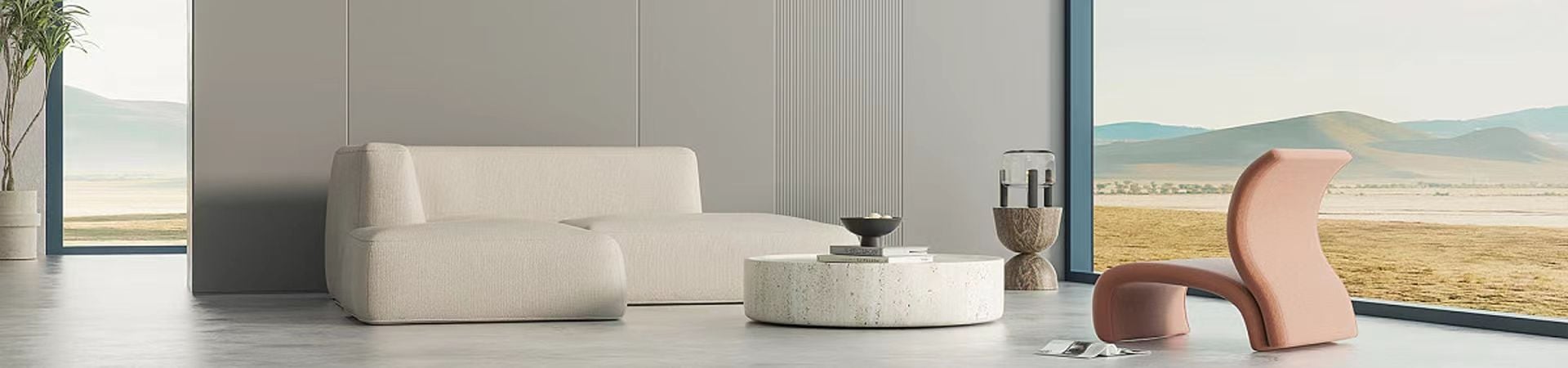
CIGNO--Understanding PU Leather: Features, Care, and Eco-Friendliness
2025
Understanding PU Leather: Features, Care, and Eco-Friendliness
Introduction to PU Leather: Defining Characteristics and Applications
Polyurethane leather, commonly known as PU leather, has carved out a niche that resonates with modern consumers looking for sustainable alternatives to genuine leather. But what exactly is PU leather? This article aims to delve into the myriad features of PU leather, its care requirements, and its eco-friendliness.
Understanding PU Leather: Composition and Manufacturing
PU leather is made by coating a base material, often polyester or cotton, with a layer of polyurethane. This synthetic leather looks similar to genuine leather but comes at a lower price point. As a versatile material, it can be embossed with various textures to mimic the appearance of real leather, while also being more flexible and breathable than PVC leather.
Key Features of PU Leather
- Durability: PU leather is known for its durability and resistance to wear and tear. However, it may not last as long as genuine leather but holds up reasonably well against everyday use.
- Water Resistance: While it is more water-resistant than traditional leather, it is not entirely waterproof.
- Easy to Clean: PU leather can be cleaned easily with a damp cloth, making it user-friendly.
Common Uses of PU Leather in Various Industries
- Fashion: Widely used for clothing, bags, and accessories, PU leather’s flexibility and aesthetic appeal make it ideal for trendy items.
- Furniture: For sofas and chairs, PU leather offers luxury at a lower price and is often chosen for its low maintenance requirements.
- Automotive Interiors: In the automotive industry, PU leather is frequently used for seats and trim due to its aesthetic qualities and durability.
Comparing PU Leather with Traditional Leather and Other Materials
When considering leather products, understanding how PU leather compares to traditional leather and other synthetic options is vital.
Durability and Performance: PU Leather vs. Genuine Leather
Genuine leather is prized for its natural look and feel and develops a unique patina over time. In contrast, PU leather doesn’t age in a similar manner; it is prone to wear and can peel if not maintained properly. Thus, while PU leather offers a budget-friendly alternative, it lacks the long-term durability of genuine leather.
Environmental Impact: Sustainability of PU Leather
Per a recent study, PU leather contributes to less waste than traditional leather. The production of genuine leather is resource-intensive, requiring substantial amounts of water and chemicals. Conversely, PU leather incorporates fewer natural resources and is regarded as a more eco-friendly option, especially when sourced responsibly.
Cost-Effectiveness: Is PU Leather a Smart Choice?
In terms of pricing, PU leather is significantly cheaper than genuine leather. It appeals to consumers looking for stylish, affordable options without sacrificing visual appeal. As noted in market analyses, the global synthetic leather market, including PU leather, is expected to reach $90.89 billion by 2033, signifying a growing preference for this material.
Caring for PU Leather: Maintenance and Longevity
To maximize the longevity of PU leather products, proper care is essential.
Cleaning PU Leather: Techniques and Recommended Products
To clean PU leather, use a soft damp cloth and mild soap. Avoid abrasive cleaners and excessive scrubbing to prevent damage.
Repairing and Restoring PU Leather Surfaces
If your PU leather starts to peel or show signs of wear, there are specific repair kits available that can rejuvenate its appearance. However, because PU leather cannot be sanded or polished like genuine leather, it may require eventual replacement.
Storage and Protection of PU Leather Items
For optimal preservation, store PU leather items in a cool, dry place, away from direct sunlight to prevent fading and cracking.
Eco-Friendliness of PU Leather: Myths and Realities
As environmental concerns grow, many consumers are questioning the sustainability of PU leather compared to natural leather and other substitutes.
Is PU Leather Truly Eco-Friendly?
While PU leather does not utilize animal hides, its production is still chemical-heavy, relying on petroleum—the environmental impact of which is substantial. However, recent innovations in material science are paving the way toward more sustainable iterations of PU leather.
Comparative Analysis: PU Leather vs. Other Synthetic Options
When comparing PU leather with PVC leather, PU leather is typically considered more breathable and comfortable yet less durable. Innovations in plant-based leathers, derived from materials like mushrooms and pineapples, are creating even more eco-conscious alternatives, which may outshine PU leather in sustainability.
Innovations in Sustainable PU Leather Production
Manufacturers are increasingly adopting eco-friendly production processes for PU leather, lowering the carbon footprint significantly. This shift not only aligns with consumer demand for sustainable products but also enhances the material's appeal across various industries.
Exploring Products Made from PU Leather: Selection and Recommendations
In today’s market, several products made from PU leather exemplify its versatility.
Overview of Popular PU Leather Products
Upholstery Fabric: CIGNO Leather's Upholstery Fabric features washable and stain-resistant properties that make it perfect for sofas and chairs.
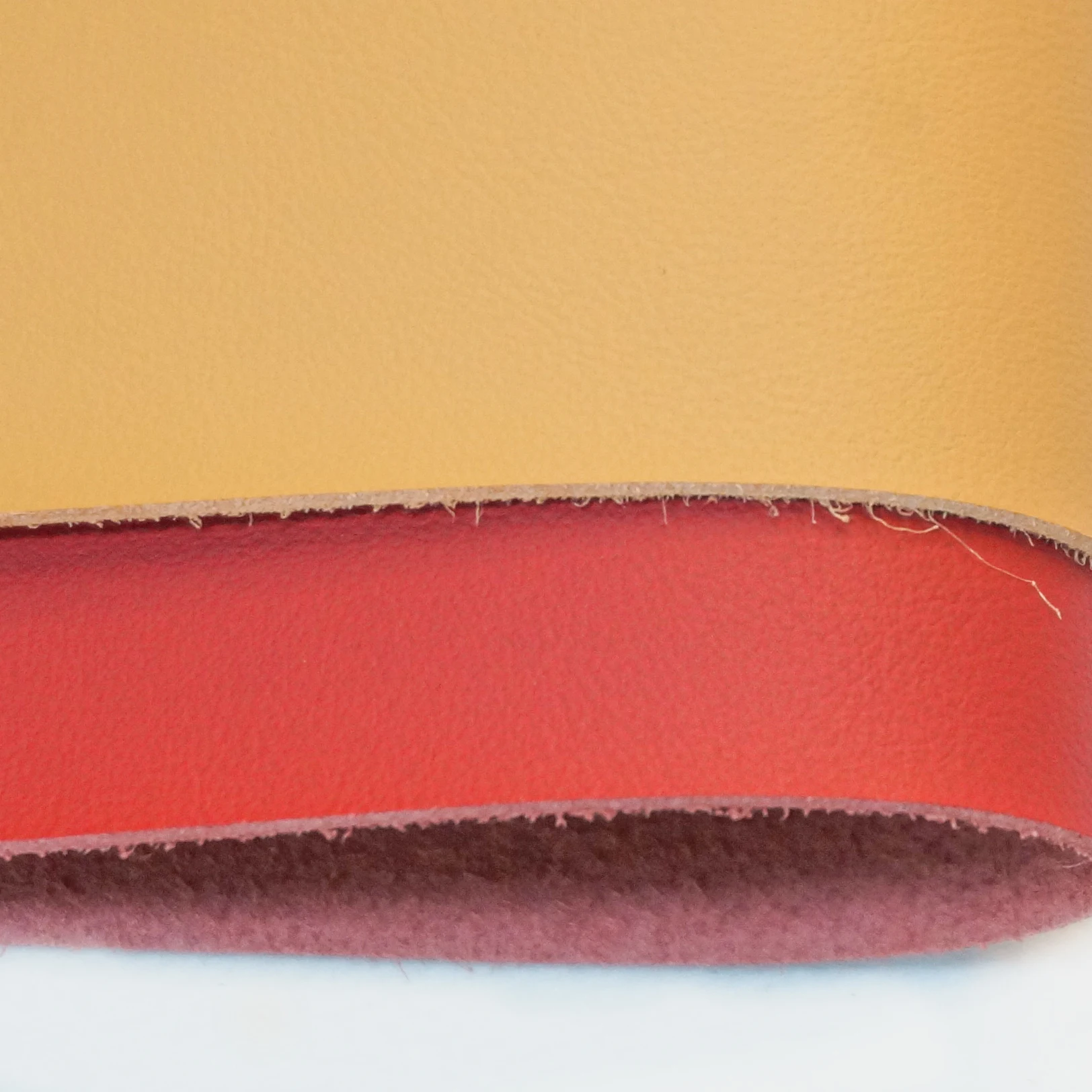
Comfortable Cat Scratching Mat: CIGNO's cat scratching imitation leather offers durability while maintaining style.
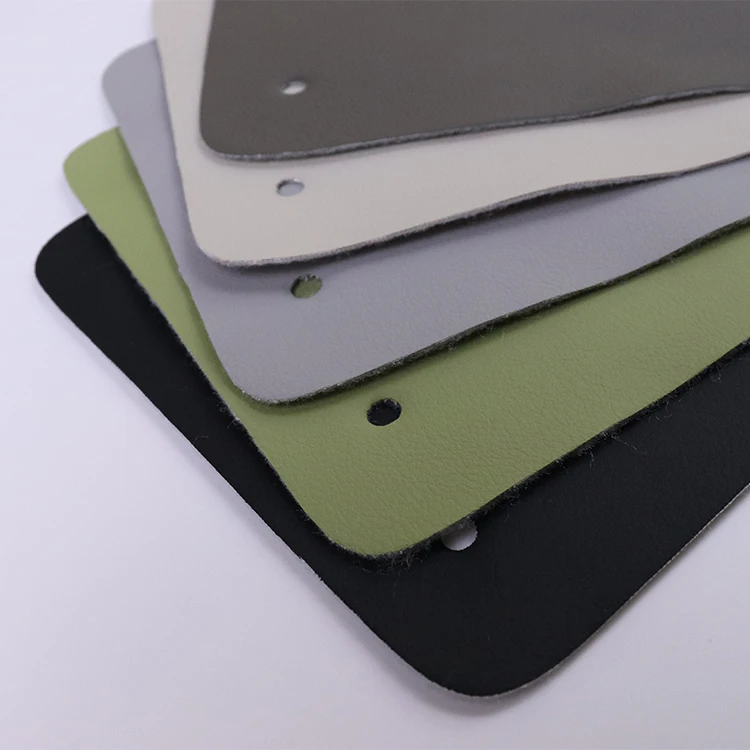
Waterproof Faux Leather Car Upholstery: CIGNO's car upholstery features a unique texture that enhances any vehicle interior.
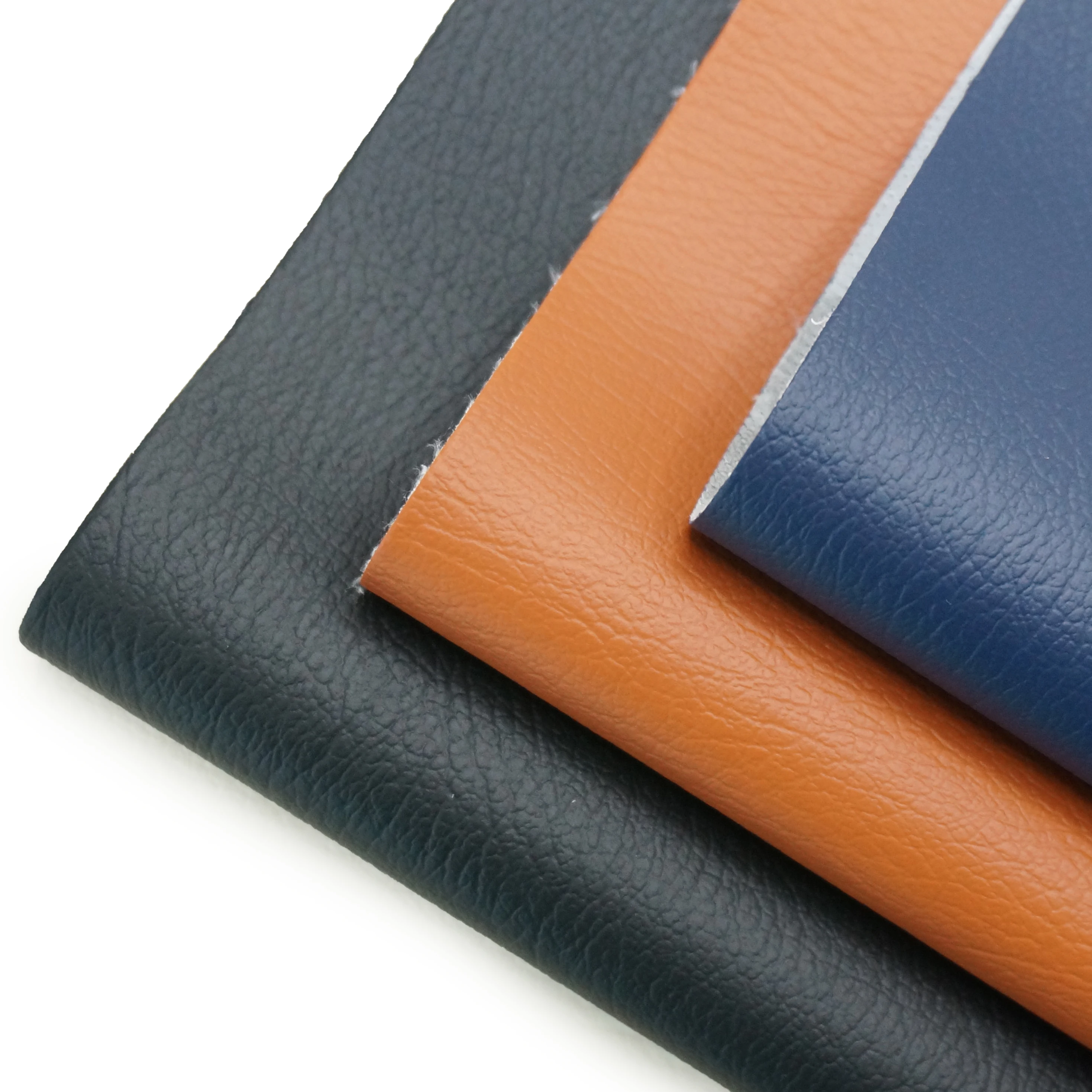
Analyzing the Features of CIGNO Leather Products
CIGNO Leather emphasizes eco-friendly materials while providing durable and stylish options, making them an apt choice for consumers conscious of both aesthetic and ethical standards.
Choosing the Right PU Leather Product for Your Needs
When selecting PU leather products, consider your specific needs and preferences, such as durability, price, and environmental impact, to make a well-informed decision.
FAQs
What is PU leather?
PU leather is a synthetic leather option made using polyurethane, designed to replicate the appearance of genuine leather while being more affordable and accessible.
Is PU leather durable?
While PU leather certainly has durability, it does not match the longevity of genuine leather and is prone to wear over time.
How should I care for PU leather?
To care for PU leather, clean it regularly with a damp cloth, avoid harsh chemicals, and store where it won't be exposed to direct sunlight.
Is PU leather eco-friendly?
PU leather is generally more eco-friendly than traditional leather due to its reduced use of animal products, but it still has a significant environmental impact due to petroleum-based materials.
How does PU leather compare to PVC?
PU leather is often considered more breathable and comfortable than PVC leather, which is typically stiffer and less flexible.
In conclusion, PU leather is a versatile and popular alternative to traditional leather, offering notable benefits in terms of affordability, maintenance, and diverse applications. However, being aware of its environmental impact and caring for it properly can enhance your experience with this synthetic option.