AR
 CS
 NL
 FR
 DE
 EL
 HI
 IT
 JA
 KO
 NO
 PL
 PT
 RU
 ES
 SV
 TL
 IW
 ID
 SR
 UK
 VI
 MT
 TH
 FA
 AF
 MS
 GA
 HY
 AZ
 BN
 LA
 MN
 KK
 UZ
 KU



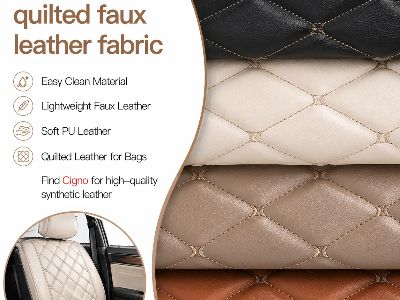
High-quality sofa leather is a critical component for manufacturers and wholesalers in the furniture industry. Understanding what makes high-quality sofa leather durable is essential for ensuring customer satisfaction and long-term product performance. B2B buyers, including purchasing managers and product managers, are often concerned about the material's longevity, resistance to wear and tear, and overall value for money. This article will provide insights into how to evaluate sofa leather, where to source it, and practical considerations for ensuring durability in wholesale furniture.
How to Evaluate the Quality of Sofa Leather for Bulk Orders
When evaluating the quality of sofa leather for bulk orders, there are several key factors to consider. First, assess the material composition. High-quality leather, whether real or synthetic, should offer a balance of durability, aesthetics, and functionality. For synthetic options, such as those produced by CIGNO LEATHER, materials like PU, Microfiber, and Vegan leather are notable for their durability and eco-friendliness.
Next, examine the thickness of the leather. A thickness of at least 1.2mm is generally preferred for sofa applications, as it provides a sturdier structure. Additionally, look for properties such as anti-abrasion resistance and fire resistance, which are crucial for furniture that will see regular use. Buyers should also request samples and conduct physical inspections, checking for uniformity in texture and color, as well as any potential defects.
Another important factor is the certification of the leather. CIGNO LEATHER products are certified by USDA and GRS, ensuring they meet rigorous environmental and quality standards.
Where to Source High-Quality Sofa Leather for Your Projects
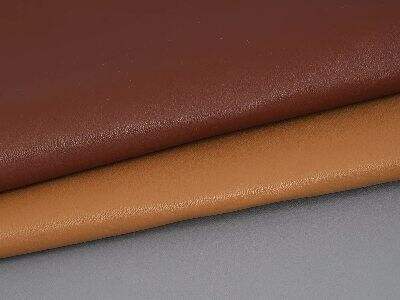
Sourcing high-quality sofa leather requires careful consideration of suppliers. Start by evaluating manufacturers that specialize in synthetic leather, as these materials can offer competitive prices without sacrificing durability. CIGNO LEATHER, for example, has a production capacity exceeding 200,000 meters monthly, catering to various applications from furniture to automotive interiors.
Attend industry trade shows and exhibitions to connect directly with manufacturers, allowing for firsthand assessment of their products. Look for suppliers that provide detailed product specifications, including material properties, production capabilities, and customization options. Online platforms can also be useful for sourcing, but ensure you conduct due diligence by checking reviews and requesting samples to confirm quality.
Establishing a solid relationship with your supplier is vital. Discuss your specific needs, including minimum order quantities (MOQ), lead times, and shipping options. A reliable supplier will be transparent about their production processes and provide timely updates on order status, which is crucial for project planning.
Comparing Different Types of Sofa Leather for Wholesale Buyers
Wholesale buyers should familiarize themselves with the various types of sofa leather available to make informed decisions. The most common types include:
PU Leather: Known for its affordability and variety of colors, PU leather is easy to clean and maintain. It offers decent durability, making it suitable for residential and commercial furniture.
Microfiber Leather: This material mimics real leather and is renowned for its softness and stain resistance. It's an excellent choice for high-traffic areas due to its durability and ease of cleaning.
Silicone Leather: Silicone leather is gaining popularity for its high performance, including heat resistance and waterproof properties. It is particularly suitable for outdoor furniture.
Vegan Leather: Made from synthetic materials, vegan leather is an ethical choice that does not compromise on durability or aesthetics. It is often treated for additional resistance to wear and tear.
Each type of leather has its advantages and ideal applications. Evaluating your specific project requirements, such as expected usage and environmental conditions, can help guide your selection.
Common Problems with Sofa Leather and Effective Solutions
Despite the quality of sofa leather, common problems can arise during its use. One issue is fading due to exposure to sunlight. To mitigate this, consider leather treated with UV-resistant coatings or recommend placing the furniture away from direct sunlight.
Another common problem is cracking, which can occur if the leather is too dry. Regular conditioning with appropriate leather care products can help maintain its moisture and flexibility. CIGNO LEATHER products are designed with anti-mildew and anti-abrasion features, reducing the likelihood of such issues.
Additionally, buyers should be aware of potential manufacturing defects, such as uneven surfaces or inadequate stitching. Conducting a thorough quality control inspection before mass production is critical. This includes checking sample pieces against your specifications to ensure consistency.
Installation Guidance for High-Quality Sofa Leather in Furniture
Proper installation of high-quality upholstery sofa leather is essential for achieving the desired appearance and durability. Before installation, ensure that the frame of the furniture is sturdy and compatible with the leather type being used. For synthetic leathers, it’s important to confirm that the adhesive used is suitable for the specific material.
During installation, always work in a clean, dry environment to avoid contamination that could affect the leather's integrity. Stretch the leather evenly across the frame, avoiding excessive tension that might lead to tearing or distortion. Take care to align seams and patterns for a professional finish.
If customization is required, such as specific dimensions or design features, communicate this clearly to your supplier. Providing accurate technical drawings and samples can facilitate a smoother production process, ensuring the final product meets your expectations.
In summary, evaluating and sourcing high-quality sofa leather involves understanding material properties, supplier capabilities, and installation techniques. By considering these factors, B2B buyers can make informed decisions that lead to durable and aesthetically pleasing furniture products.
Table of Contents
- How to Evaluate the Quality of Sofa Leather for Bulk Orders
- Where to Source High-Quality Sofa Leather for Your Projects
- Comparing Different Types of Sofa Leather for Wholesale Buyers
- Common Problems with Sofa Leather and Effective Solutions
- Installation Guidance for High-Quality Sofa Leather in Furniture