AR
 CS
 NL
 FR
 DE
 EL
 HI
 IT
 JA
 KO
 NO
 PL
 PT
 RU
 ES
 SV
 TL
 IW
 ID
 SR
 UK
 VI
 MT
 TH
 FA
 AF
 MS
 GA
 HY
 AZ
 BN
 LA
 MN
 KK
 UZ
 KU



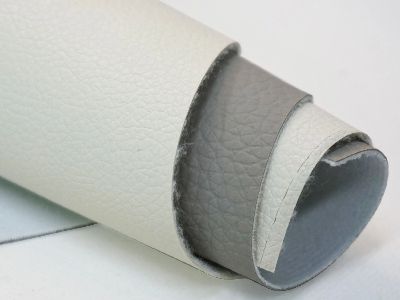
Sustainable silicone leather is gaining traction as an eco-friendly alternative in various industries, driven by manufacturers' desire to reduce their environmental footprint. As businesses increasingly prioritize sustainability, purchasing managers and product managers are concerned with quality, application suitability, and overall cost-effectiveness. This article will guide you through evaluating sustainable silicone leather products, exploring their applications, understanding cost factors, installation guidance, and essential considerations for making informed purchasing decisions
How to Evaluate the Quality of Sustainable Silicone Leather Products
When assessing sustainable silicone leather, there are several critical factors to consider to ensure you are selecting a high-quality product. First, look for certifications such as USDA and GRS, which confirm eco-friendly practices and material sourcing. These certifications help ensure that the product meets specific environmental and social standards
Next, evaluate the physical properties of the silicone leather. Key specifications include thickness, abrasion resistance, and fire resistance. For instance, a thickness of 0.8 mm to 1.5 mm is common for applications in automotive interiors, while a higher thickness may be required for furniture upholstery to enhance durability. Testing for abrasion resistance ensures that the material can withstand wear in high-traffic areas, making it suitable for commercial use
Finally, consider the manufacturing process. A reputable manufacturer should utilize advanced production techniques and maintain strict quality control processes. This includes monitoring raw materials, ensuring consistency in color and texture, and conducting regular inspections throughout the production cycle. Engaging with your supplier about their quality assurance measures can provide insights into their commitment to producing durable and reliable silicone leather products
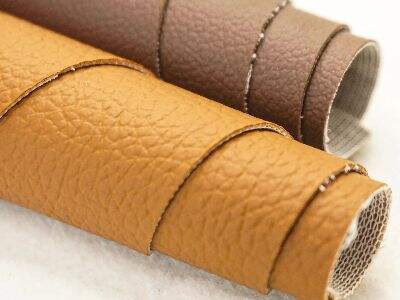
Top Applications of Sustainable Silicone Leather in Various Industries
Sustainable silicone leather finds applications across multiple sectors, thanks to its versatility and performance characteristics. In the furniture industry, its durability and aesthetic appeal make it an attractive alternative to traditional leather. It is resistant to stains, easy to clean, and available in various colors and textures, enhancing the design flexibility for furniture manufacturers
In automotive interiors, sustainable silicone leather is increasingly utilized for seat covers, door panels, and dashboards. Its fire resistance and anti-mildew properties are essential for safety and longevity, making it a preferred choice for car manufacturers looking to meet stringent safety standards
The fashion industry embraces sustainable silicone leather for producing bags, shoes, and accessories. As consumer demand for eco-friendly products rises, manufacturers are keen to explore this material's potential to create stylish yet sustainable fashion items
In addition, the healthcare sector is beginning to adopt sustainable silicone leather for medical furniture and equipment covers, where hygiene and durability are critical. Its resistance to moisture and easy clean-ability make it an ideal choice for environments requiring high standards of cleanliness
Cost Factors to Consider When Purchasing Sustainable Silicone Leather
Understanding the cost factors associated with sustainable silicone luxe vegan leather is crucial for making informed purchasing decisions. Several elements influence pricing, including material quality, production methods, and order quantities. High-quality silicone leather with certifications will typically command a higher price due to the stringent sourcing and manufacturing processes involved
Production costs can also vary based on the complexity of the material. For instance, silicone leather with enhanced features such as anti-abrasion and fire resistance may be more expensive than basic alternatives. Buyers should consider the long-term value these features can provide, particularly in applications where durability is paramount
Minimum order quantities (MOQ) can also impact overall costs. Suppliers may require a certain volume to be ordered to offset production expenses, so understanding the MOQ can help in budgeting. Engaging in discussions with your supplier about potential volume discounts can also be beneficial, especially for larger projects
Lastly, shipping and handling costs should not be overlooked. Evaluate the logistics involved in transporting silicone leather, as these expenses can significantly impact the overall cost, especially for international orders
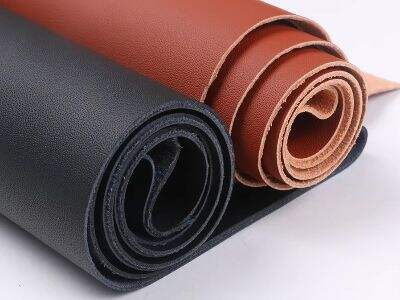
Installation Guidance for Sustainable Silicone Leather in Projects
Proper installation is crucial to maximizing the performance and lifespan of sustainable silicone leather. Before commencing installation, ensure that the surface to which the material will be applied is clean, dry, and free from contaminants. Any debris or moisture can compromise the adhesive properties, leading to premature failure
For upholstery projects, using a high-quality adhesive specifically designed for silicone leather is recommended. This ensures a strong bond between the leather and the substrate, whether it's foam, wood, or metal. Following the manufacturer's guidelines for application is essential, as different adhesives may have unique curing times and environmental conditions for optimal performance
When working with silicone leather in automotive applications, it's important to consider the thermal expansion properties of the material. Silicone leather can expand and contract with temperature changes, which may affect its fit and appearance. Thus, allowing for some flexibility during installation can prevent issues like buckling or warping
Lastly, always perform a quality check post-installation. Inspect for any bubbles, wrinkles, or misalignments, as addressing these issues early can prevent costly rework later
What to Know
As the demand for sustainable silicone leather fabric continues to grow, buyers should stay informed about the latest developments in material technology and production methods. Engage with your suppliers to understand the specific features of the products they offer, as well as any new innovations that may enhance performance or sustainability
When preparing to purchase, provide detailed information in your RFQ, including the desired application, performance requirements, and any customization needed. This clarity will help suppliers offer you the best solutions tailored to your needs
Additionally, always request samples before committing to a large order. Testing samples under real-world conditions can help you evaluate performance, appearance, and durability, ensuring that the final product meets your expectations
Sustainable silicone leather offers a promising alternative for manufacturers seeking eco-friendly solutions without compromising quality and performance. By understanding how to evaluate its quality, exploring its applications, considering cost factors, and following proper installation practices, you can make informed decisions that align with your company's sustainability goals