AR
 CS
 NL
 FR
 DE
 EL
 HI
 IT
 JA
 KO
 NO
 PL
 PT
 RU
 ES
 SV
 TL
 IW
 ID
 SR
 UK
 VI
 MT
 TH
 FA
 AF
 MS
 GA
 HY
 AZ
 BN
 LA
 MN
 KK
 UZ
 KU



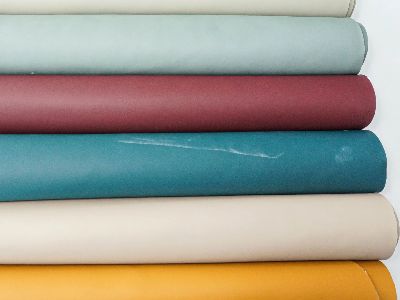
Choosing the right material for your manufacturing needs is crucial, particularly when comparing options like silicone leather and PU leather. This article delves into the differences between these two materials, helping purchasing managers and manufacturers make informed decisions based on their specific applications and requirements. Key considerations include durability, environmental impact and cost-effectiveness, allowing buyers to understand which material may be better suited for their products.
What to Consider When Choosing Between Silicone and PU Leather?
When evaluating silicone leather versus PU leather, several factors come into play that can significantly affect your purchasing decision. First, consider the application of the material. Silicone leather is known for its high resistance to extreme temperatures and UV light, making it suitable for outdoor applications or environments with high exposure to sunlight. On the other hand, PU leather offers a more aesthetically pleasing finish and is often favored for indoor applications like furniture and automotive interiors. Durability is another critical factor. While both materials are designed to be long-lasting, silicone leather typically excels in anti-abrasion and anti-mildew properties, which can be particularly beneficial in humid environments. Conversely, PU leather generally has a smoother texture and may offer better color retention, but it's important to note that it can wear down faster under heavy use. Cost considerations also play a significant role in material selection. PU leather generally has a lower price point, making it an attractive choice for budget-conscious buyers. However, the longevity and performance of silicone leather can justify its higher cost in certain applications, providing better value over time.
Specifications of Silicone Leather vs PU Leather for Manufacturers
The technical specifications of silicone leather and PU leather can help manufacturers determine which material aligns with their production needs. Silicone leather typically boasts a higher temperature resistance, often rated between -40°C to 120°C, while PU leather generally withstands temperatures ranging from -20°C to 60°C. This difference is essential for applications exposed to varying temperatures. In terms of thickness, silicone leather often comes in a wider range of thicknesses, allowing for customization based on specific product requirements. Manufacturers should evaluate the thickness needed for their application thicker materials may provide superior durability but could be less flexible. Furthermore, certifications play a crucial role in material selection. CIGNO LEATHER’s silicone leather is USDA and GRS certified, ensuring that it meets eco-friendly standards. When sourcing materials, buyers should confirm certification requirements based on their market regulations to avoid compliance issues.
Silicone Leather vs PU Leather for Wholesale Buyers
Wholesale buyers must navigate the pros and cons of silicone leather and PU leather to ensure they are making informed purchasing decisions. For businesses looking to appeal to environmentally conscious consumers, silicone leather’s eco-friendly properties might be a compelling selling point. Its durability also means that products made from silicone leather can command higher retail prices due to their perceived quality. Conversely, wholesale buyers focused on lower costs may lean towards pu leather, especially for high-volume orders where price sensitivity is a concern. The manufacturing process for PU leather can be more efficient, allowing for quicker turnaround times on bulk orders. However, it’s essential to consider the long-term implications: while the upfront cost may be lower, the need for replacements or repairs could increase overall expenses. Additionally, buyers should evaluate the minimum order quantities (MOQ) set by suppliers. CIGNO LEATHER offers flexible MOQ options, allowing wholesale buyers to tailor their orders based on demand. Understanding these terms can significantly impact inventory management and cash flow.
Common Problems with Silicone and PU Leather and Their Solutions
Both silicone leather and PU leather present unique challenges that buyers should be aware of. Common issues with silicone leather include potential surface scuffing, which can occur during handling or transport. To mitigate this, manufacturers should ensure proper packaging and handling procedures are established. Additionally, a sample approval process can help detect any potential issues before mass production. For PU leather, the most significant concern is its susceptibility to cracking and peeling over time, especially in high-stress applications. To combat this, manufacturers should consider applying an additional protective coating during production. Regular maintenance, such as cleaning with suitable solutions, can also extend the life of PU leather products. Buyers should conduct thorough quality inspections upon receipt of materials. This includes checking for defects in texture, color consistency, and overall finish. Establishing a clear communication line with suppliers regarding quality expectations is also vital to prevent recurring issues.
Applications of Silicone Leather vs PU Leather in Various Industries
The choice between silicone leather and PU leather can significantly influence product performance across various industries. In the automotive sector, silicone leather is often preferred for its superior resistance to heat and sunlight, making it ideal for interiors that experience high temperature fluctuations. Its durability also makes it suitable for high-traffic areas within vehicles. In the fashion industry, PU leather is commonly used for bags and shoes due to its appealing finish and lower production costs. Its versatility allows designers to create a range of products without compromising on aesthetics. However, as consumer awareness of environmental issues grows, many brands are beginning to incorporate silicone leather into their products to enhance their sustainability credentials. Furniture manufacturers might choose silicone on leather boots for outdoor furniture due to its enhanced weather resistance, while PU leather could be more prevalent in indoor furniture where aesthetics are prioritized. Understanding the specific applications and environments in which these materials will be used can guide manufacturers and buyers in making the right material choice. By considering these factors, manufacturers and wholesale buyers can make informed decisions between silicone leather and PU leather, ensuring that their products not only meet market demands but also maintain quality and longevity.
Table of Contents
- What to Consider When Choosing Between Silicone and PU Leather?
- Specifications of Silicone Leather vs PU Leather for Manufacturers
- Silicone Leather vs PU Leather for Wholesale Buyers
- Common Problems with Silicone and PU Leather and Their Solutions
- Applications of Silicone Leather vs PU Leather in Various Industries