AR
 CS
 NL
 FR
 DE
 EL
 HI
 IT
 JA
 KO
 NO
 PL
 PT
 RU
 ES
 SV
 TL
 IW
 ID
 SR
 UK
 VI
 MT
 TH
 FA
 AF
 MS
 GA
 HY
 AZ
 BN
 LA
 MN
 KK
 UZ
 KU



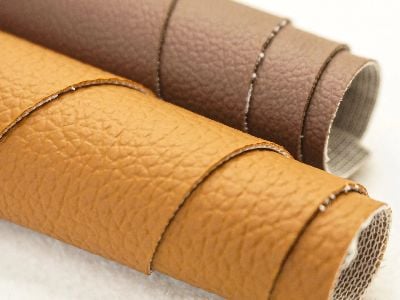
Recycled and bio-based PU leather has emerged as a sustainable alternative for manufacturers seeking eco-friendly materials without compromising on quality and performance. As concerns about environmental impact grow, buyers are increasingly interested in these sustainable options. This article will help manufacturers, purchasing managers, and product designers understand what to consider when selecting recycled and bio-based pu leather, assess its suitability for various applications, and provide practical guidance for sourcing and installation.
What Buyers Need to Know?
When considering recycled and bio-based PU leather, buyers should focus on several key factors: material composition, certifications, application suitability, and supplier reliability.
Recycled PU leather is typically produced from post-consumer or post-industrial waste, reducing the demand for virgin materials. Bio-based PU leather, on the other hand, incorporates renewable resources, such as plant-based polyols. Understanding the specific material properties such as durability, water resistance, and fire resistance is crucial for ensuring the pu leather material meets the requirements of its intended application, whether it be in automotive interiors, furniture, or fashion accessories.
Certifications like USDA and GRS, which CIGNO LEATHER holds, can provide assurance regarding the sustainability and quality of the materials used. These certifications verify that the products meet specific environmental and social criteria, which can be a vital consideration for buyers focused on sustainability.
Assessing Recycled and Bio-Based PU Leather
When evaluating recycled and bio-based PU leather, buyers should consider specifications such as thickness, tensile strength, and abrasion resistance. These parameters directly affect the material's performance in various applications. For example, a thicker material might be necessary for automotive seating to withstand wear and tear, while lighter options may be more suitable for fashion accessories.
Testing for chemical resistance and environmental impact is also essential. Buyers should request test results from manufacturers to ensure the material will perform under expected conditions. Additionally, it is wise to consider the end-of-life options for these materials, such as recyclability or biodegradability, as this aligns with sustainable practices.
Buyers should also assess compatibility with existing production processes. The manufacturing capabilities of the supplier, including their experience with lower-impact materials, play a significant role in ensuring a smooth transition to using recycled and bio-based premium pu leather.
Where to Buy Recycled and Bio-Based PU Leather in Bulk?
Finding reliable suppliers for recycled and bio-based PU leather is crucial for manufacturers looking to scale their production. When sourcing in bulk, consider suppliers with proven experience in eco-friendly materials, such as CIGNO LEATHER, which specializes in high-quality synthetic leather production.
To facilitate the purchasing process, buyers should prepare detailed specifications, including material type, dimensions, desired certifications, and quantity. Understanding the supplier’s minimum order quantity (MOQ) is also essential, as this can impact pricing and lead times.
Engaging with suppliers who can provide samples is beneficial for evaluating material quality before committing to a larger order. Additionally, inquire about lead times, as sustainable materials may have different production timelines compared to traditional materials.
Installation Guidance for Recycled PU Leather in Manufacturing
Successful installation of recycled PU leather requires careful planning and precise execution. Manufacturers should ensure that the material is compatible with their existing machinery and processes. For example, the cutting and sewing techniques used for traditional leather may not be suitable for recycled PU leather, which can have different handling characteristics.
Before mass production, it is advisable to conduct trials with sample pieces. This helps confirm that the material adheres well to substrates, exhibits the desired appearance, and maintains integrity during processing.
Proper storage conditions are another critical aspect. Recycled PU leather should be kept in a controlled environment to prevent exposure to extreme temperatures and humidity, which can affect its performance. Following the manufacturer's recommendations for handling and installation will ensure optimal results.
Common Problems with PU Leather and Effective Solutions
While recycled and bio-based PU leather offers numerous benefits, there are common challenges that buyers may encounter. One of the most frequent issues is surface damage, which can occur during manufacturing or after installation. To mitigate this, buyers should consider materials with enhanced abrasion resistance, particularly for high-wear applications such as automotive interiors.
Another potential problem is color fading or discoloration due to exposure to sunlight or chemicals. Buyers should confirm that the PU leather has UV resistance and inquire about the manufacturer's colorfastness testing results.
If buyers encounter issues during production, open communication with the supplier is vital. Manufacturers like CIGNO LEATHER can provide guidance on troubleshooting and offer solutions based on their extensive experience with eco-friendly materials.
In summary, understanding the attributes and requirements of recycled and bio-based PU leather is essential for manufacturers looking to adopt sustainable materials. By focusing on critical specifications, supplier reliability, and installation practices, buyers can make informed decisions that align with their sustainability goals while ensuring product quality.