AR
 CS
 NL
 FR
 DE
 EL
 HI
 IT
 JA
 KO
 NO
 PL
 PT
 RU
 ES
 SV
 TL
 IW
 ID
 SR
 UK
 VI
 MT
 TH
 FA
 AF
 MS
 GA
 HY
 AZ
 BN
 LA
 MN
 KK
 UZ
 KU



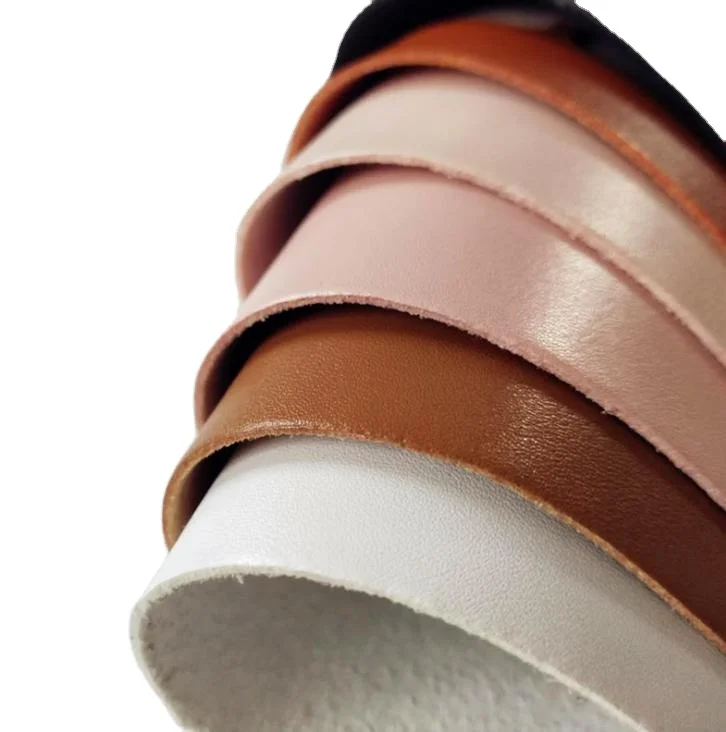
Choose the Right PU Leather
Choosing the right PU leather for furniture, automotive, and fashion applications can significantly impact the quality, durability, and aesthetic appeal of the final product. With growing awareness of environmental issues, buyers are increasingly focused on eco-friendly materials. This article will guide B2B buyers through the key considerations in selecting Cigno Leather Solvent Free Leather, addressing common concerns such as material specifications, application suitability, and installation techniques. Understanding these factors will help ensure that your purchasing decisions align with your goals for performance, sustainability, and cost-effectiveness.
How to Choose PU Leather for Furniture Projects and Applications: A Guide?
When selecting PU leather for furniture applications, several key factors should be considered:
Material Specifications: PU leather is available in various thicknesses and finishes. For furniture, a thickness of at least 1.2mm is recommended for durability and resistance to wear. The finish can vary from matte to glossy, impacting the overall aesthetic and maintenance requirements. Buyers should also consider whether the material is treated for anti-mildew and fire resistance, which are essential for safety and longevity in furniture design.
Durability and Maintenance: Evaluate the durability of the PU leather by checking its abrasion resistance, measured by the Martindale test. A higher score indicates better durability, crucial for high-traffic furniture. Additionally, consider ease of cleaning; materials that repel stains or are easy to wipe clean will contribute to the furniture's lifespan.
Environmental Certifications: As sustainability becomes more critical, look for PU leather certified by organizations like USDA and GRS. These certifications indicate compliance with environmental standards, ensuring that the materials used are eco-friendly and responsibly sourced.
Aesthetic Compatibility: Ensure that the color, texture, and overall appearance of the PU leather align with the intended design of the furniture. Samples should be requested to evaluate how the material looks in your specific design context.
By taking these factors into account, buyers can select PU leather that not only meets their aesthetic needs but also provides the durability and sustainability required for modern furniture applications.
Installation Guidance for PU Leather in Fashion Applications: What Buyers Should Know?
When it comes to fashion applications, the installation of PU leather is crucial for ensuring the final product's quality and appearance. Here are essential considerations for buyers:
Sample Approval: Before moving to mass production, buyers should always approve a finished sample. This process confirms that the material meets expectations in terms of texture, color, and handling properties. A sample should be tested under actual operating conditions to ensure it performs well in the final product, particularly in areas prone to wear and tear.
Sewing and Adhesive Compatibility: PU leather can be sewn or bonded using adhesives. When sewing, ensure that the thread type and needle size are suitable for the material's thickness. For bonding, choose an adhesive that is compatible with PU leather to avoid issues such as peeling or bubbling, which can occur if the wrong adhesive is used.
Finishing Techniques: Depending on the fashion application, consider additional finishing techniques like embossing or printing. These can enhance the aesthetic appeal of the PU leather. Always discuss these options with your supplier to understand any implications for the material's performance.
Production Capacity and Lead Time: Be clear about your production timeline. CIGNO LEATHER, for example, has a capacity of producing over 200,000 meters monthly, which can accommodate various order sizes. This capability ensures that even large orders meet deadlines without compromising quality.
By following these guidelines, buyers can effectively navigate the installation process of Microfiber Leather in fashion applications, leading to successful product outcomes.
Common Problems with PU Leather and Effective Solutions
While PU leather is a popular choice for various applications, buyers should be aware of common issues that can arise and how to address them:
Cracking and Peeling: Over time, PU leather may crack or peel, especially if exposed to extreme temperatures or improper care. To mitigate this, look for PU leather with higher flexibility ratings and ensure proper maintenance, including cleaning and conditioning the material according to the manufacturer's guidelines.
Color Fading: UV exposure can cause discoloration. To combat this, consider using PU leather treated with UV-resistant coatings. Additionally, placing furniture or fashion items away from direct sunlight can help preserve color integrity over time.
Odor: Some PU leathers may emit an unpleasant smell, particularly if not properly treated during manufacturing. If odor is an issue, ventilating the products in a well-ventilated area can help dissipate unpleasant smells. For persistent odors, consult with your supplier for possible solutions.
Incompatibility with Cleaning Agents: Certain cleaning products can damage PU leather. Always use cleaning agents recommended by the manufacturer. It’s advisable to conduct a small patch test before applying any new cleaner to the entire surface.
By being proactive about these common issues, buyers can enhance their experience with PU leather and ensure that their products maintain their quality and appearance over time.
In summary, selecting the right PU leather entails careful consideration of material specifications, installation techniques, and awareness of potential issues. By following the guidance provided, B2B buyers can make informed decisions that enhance the quality and sustainability of Cigno Leather PU Leather.