AR
 CS
 NL
 FR
 DE
 EL
 HI
 IT
 JA
 KO
 NO
 PL
 PT
 RU
 ES
 SV
 TL
 IW
 ID
 SR
 UK
 VI
 MT
 TH
 FA
 AF
 MS
 GA
 HY
 AZ
 BN
 LA
 MN
 KK
 UZ
 KU


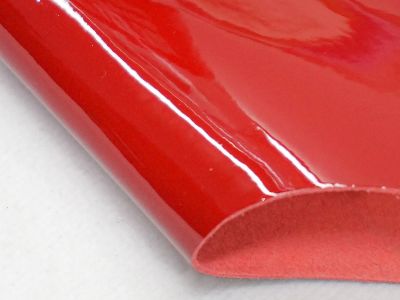
PVC leather, or synthetic leather, has become a popular choice across various industries such as furniture, automotive, and fashion. With myriad applications, manufacturers must navigate the complexities of selecting the right type of PVC leather to meet specific performance and aesthetic requirements. This article delves into pvc leather applications, highlighting key specifications that influence material choice, common buyer considerations, potential issues, and the advantages of eco-friendly options. By understanding these factors, purchasing managers and product developers can make informed decisions that align with their project needs.
Key Specifications to Consider When Sourcing PVC Leather
When sourcing PVC leather, several critical specifications should be evaluated to ensure the material meets the intended application requirements. These include:
Thickness: The thickness of PVC leather significantly affects its durability, flexibility, and overall performance. For instance, thicker materials may provide better abrasion resistance, making them suitable for high-traffic applications such as automotive interiors. Conversely, thinner options might be ideal for fashion accessories where flexibility and comfort are key.
Surface Treatment: The type of surface finish can impact both the aesthetic appeal and functional properties of the material. Treatments such as embossing or coating can enhance the leather's resistance to stains, water, and UV light, which is particularly important for outdoor furniture applications.
Fire Resistance: In industries like automotive and aviation, fire resistance is a non-negotiable specification. Buyers should confirm the material’s compliance with relevant fire safety standards to mitigate risks associated with flammability.
Chemical Resistance: Given that PVC leather may come into contact with various chemicals, including cleaning agents and oils, understanding the material's resistance to these substances is crucial. For example, a formulation with enhanced chemical resistance is preferred in automotive applications to ensure longevity and maintain appearance.
Certifications: Eco-conscious buyers should look for certifications, such as USDA and GRS, which indicate that the PVC leather meets specific environmental and social standards. These certifications not only assure quality but also enhance brand reputation in an increasingly sustainability-focused market.
What Buyers Should Know?
Purchasing PVC leather involves understanding the nuances of the product, from material properties to supplier reliability. Buyers should:
Request Samples: Before placing a bulk order, it is advisable to request samples that represent the material's finish, texture, and color. Testing samples under actual operating conditions can reveal potential issues that may not be apparent from specifications alone.
Understand Minimum Order Quantities (MOQ): Different manufacturers have varying MOQs. Buyers should be clear about their requirements to avoid excess inventory or production delays. CIGNO LEATHER, for example, offers flexibility in MOQs to accommodate diverse project needs.
Consider Customization Options: Many manufacturers, including CIGNO LEATHER, provide customization capabilities, allowing buyers to specify dimensions, colors, and surface finishes. This can be particularly beneficial for projects requiring specific branding or design elements.
Evaluate Lead Times: Understanding production lead times is essential for project planning. Factors such as order size, customization, and existing inventory levels can influence delivery schedules. Communicating project timelines upfront can help suppliers better meet expectations.
Common Problems with PVC Leather and Effective Solutions
While PVC leather offers numerous advantages, buyers should be aware of common issues that may arise:
Adhesion Failures: Poor adhesion between PVC leather and substrates can lead to delamination, particularly in high-stress environments. Using high-quality adhesives specifically designed for PVC applications can mitigate this risk.
Color Fading: Prolonged exposure to sunlight can cause colors to fade over time. Selecting PVC leather with UV resistance or applying protective coatings can help maintain its appearance in outdoor applications.
Cracking and Wear: Over time, PVC leather may become brittle, leading to cracks, especially in low-quality materials. Buyers should prioritize materials with anti-abrasion properties and consider the expected wear conditions to prolong product life.
By identifying these potential problems and implementing preventative measures, buyers can ensure higher satisfaction and longevity from their PVC leather products.
Comparing Different Types of PVC Leather for Your Project
When selecting the right type of PVC leather, it's essential to compare various types based on the specific needs of your project. The three main types include:
PU Leather: Known for its soft texture and high durability, PU leather is often used in furniture and automotive applications. It offers a more premium feel compared to traditional PVC leather and is generally easier to clean.
Microfiber Leather: This type combines polyester with polyurethane, resulting in a product that mimics the look and feel of genuine leather while being more affordable. Microfiber leather is highly breathable and is commonly used in clothing and accessories.
Vegan Leather: For environmentally conscious buyers, vegan leather made from non-animal sources is a growing segment. It offers similar aesthetics and functional properties as traditional PVC leather but aligns with sustainability goals.
Each type has its unique properties and applications, and buyers should consider factors such as durability, cost, and environmental impact when making their selection.
The Advantages of Eco-Friendly PVC Leather in Manufacturing
Eco-friendly PVC leather presents several advantages that can enhance a manufacturer's product offering:
Sustainability: With increasing consumer demand for environmentally responsible products, using eco-friendly materials can improve brand reputation and appeal. Certifications such as GRS and USDA ensure that the materials are produced with sustainable practices.
Market Differentiation: As more companies adopt sustainable practices, offering eco-friendly PVC leather can help manufacturers stand out in a competitive market, attracting customers who prioritize sustainability.
Compliance with Regulations: Many regions are implementing stricter regulations regarding environmental impact. Using eco-friendly materials can help manufacturers comply with these regulations and avoid potential fines or restrictions.
Consumer Trust: Brands that commit to using eco-friendly materials often see increased customer loyalty. This is particularly true in industries like fashion and furniture, where consumers are increasingly making purchasing decisions based on sustainability.
By understanding PVC leather applications and the factors influencing material choice, buyers can make informed decisions that align with their project requirements. Whether sourcing materials for furniture, automotive interiors, or fashion accessories, thorough knowledge of specifications and industry practices is essential for successful procurement.