AR
AR
 CS
CS
 NL
NL
 FR
FR
 DE
DE
 EL
EL
 HI
HI
 IT
IT
 JA
JA
 KO
KO
 NO
NO
 PL
PL
 PT
PT
 RU
RU
 ES
ES
 SV
SV
 TL
TL
 IW
IW
 ID
ID
 SR
SR
 UK
UK
 VI
VI
 MT
MT
 TH
TH
 FA
FA
 AF
AF
 MS
MS
 GA
GA
 HY
HY
 AZ
AZ
 BN
BN
 LA
LA
 MN
MN
 KK
KK
 UZ
UZ
 KU
KU



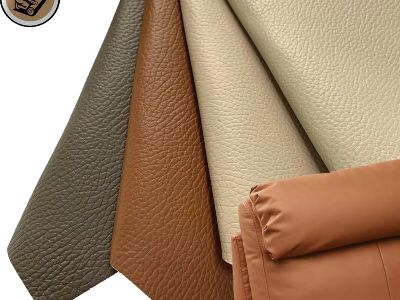
High-quality car seats made from leather are essential for Original Equipment Manufacturer (OEM) projects in the automotive industry. Understanding what makes high-quality car seat leather, especially eco-friendly options like those from CIGNO LEATHER, is critical for purchasing managers and product designers. This article will explore key considerations for sourcing leather for car seats, focusing on quality, supplier reliability, and cost factors.
What Makes High-Quality Leather Ideal for OEM Car Seat Projects?
High-quality leather for car seats should meet specific criteria to ensure durability, comfort, and performance. First, leather used in automotive applications must be robust enough to withstand wear and tear, including abrasion, fading, and exposure to various environmental conditions. CIGNO LEATHER's eco-friendly synthetic leathers, such as PU and Microfiber come with anti-abrasion and anti-mildew properties, making them suitable for intensive use.
Additionally, the leather should offer a degree of fire resistance, particularly for automotive interiors, where safety is paramount. Certification standards, such as those from USDA and GRS, are indicators of quality and sustainability, ensuring that the custom faux leather is not only high-performing but also environmentally friendly. OEM projects often require customization, so understanding the material's flexibility and adaptability for various designs is also vital.
Where to Source Reliable Leather Suppliers for OEM Projects?
Sourcing reliable leather suppliers for OEM projects involves several steps. Start by researching manufacturers with a proven track record in the automotive leather market. Industry certifications like ISO and GRS can act as a quality benchmark. It’s advisable to request samples to evaluate the material's feel, appearance, and durability firsthand. Networking at trade shows or industry conferences can provide valuable insights into potential suppliers. Engaging with existing clients of the manufacturers can also offer perspectives on quality and service. CIGNO LEATHER, for instance, specializes in a range of eco-friendly materials, making it a versatile candidate for diverse OEM needs. Buyers should assess suppliers based on their ability to meet production volumes and delivery schedules as well.
Cost Factors to Consider When Purchasing Car Seat Leather in Bulk
When purchasing car seat leather in bulk, several cost factors must be evaluated. The primary considerations include the type of leather, production processes, and customization options. For example, eco-friendly leathers may carry a premium price due to their sustainable production methods, but they often lead to long-term savings through durability and reduced waste. Minimum Order Quantities (MOQ) can significantly impact pricing, as larger orders often lead to lower per-unit costs. It’s crucial to factor in shipping costs and potential tariffs if the custom printed faux leather is sourced internationally. Buyers should also be aware of the lead times associated with production; longer lead times may necessitate larger upfront orders, impacting cash flow.
Installation Guidance for High-Quality Leather Car Seat Covers
Installing high-quality leather car seat covers requires careful attention to detail to ensure a perfect fit and finish. Before installation, it’s advisable to prepare the surfaces by cleaning them thoroughly and ensuring they are free from dust and debris. Depending on the material, some leather types may require conditioning to maintain suppleness and avoid cracking. Using the correct tools is essential for a successful installation. Tools like a staple gun, scissors, and adhesive can help secure the good quality faux leather properly. Additionally, it’s beneficial to follow manufacturer guidelines for installation; CIGNO LEATHER provides detailed instructions for its products, which can assist in achieving optimal results. Buyers should consider that a well-fitted cover not only enhances aesthetic appeal but also contributes to the longevity of the seats.
Evaluating Supplier Reliability for Wholesale Leather Purchases
Evaluating supplier reliability for wholesale leather purchases involves assessing several key attributes. Product consistency is paramount; buyers should inspect samples for uniformity in texture, color, and thickness. It’s also wise to inquire about the supplier's quality control processes to understand how they maintain standards throughout production. Communication is another vital factor. Reliable suppliers should be responsive and willing to provide updates on production timelines, order status, and any potential issues. It’s beneficial to establish a long-term relationship with suppliers who demonstrate reliability, as this can lead to better pricing and service over time. Furthermore, understanding a supplier's capacity to handle customization requests is essential. This capability can significantly enhance product offerings and cater to specific OEM requirements. CIGNO LEATHER's expertise in producing various synthetic leather types makes it a strong candidate for buyers seeking tailored solutions. selecting high-quality leather for OEM car seat projects requires careful consideration of various factors, including material properties, supplier reliability, and cost implications. By focusing on these elements, purchasing managers and product designers can make informed decisions that enhance the quality and sustainability of their automotive interiors.
Table of Contents
- What Makes High-Quality Leather Ideal for OEM Car Seat Projects?
- Where to Source Reliable Leather Suppliers for OEM Projects?
- Cost Factors to Consider When Purchasing Car Seat Leather in Bulk
- Installation Guidance for High-Quality Leather Car Seat Covers
- Evaluating Supplier Reliability for Wholesale Leather Purchases