AR
 CS
 NL
 FR
 DE
 EL
 HI
 IT
 JA
 KO
 NO
 PL
 PT
 RU
 ES
 SV
 TL
 IW
 ID
 SR
 UK
 VI
 MT
 TH
 FA
 AF
 MS
 GA
 HY
 AZ
 BN
 LA
 MN
 KK
 UZ
 KU



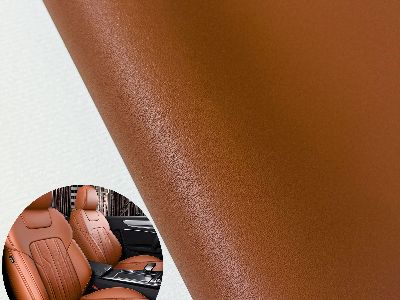
Vegan leather, also known as synthetic leather, has gained immense popularity across various industries including furniture, automotive, fashion, and accessories. This eco-friendly alternative to traditional leather is produced from materials like polyurethane (PU), microfiber, and silicone, making it a versatile choice for a wide range of applications. As a B2B buyer, understanding the specific properties and applications of vegan leather is crucial in making informed purchasing decisions. This article will delve into the different applications of vegan leather and provide guidance on selecting the right materials based on industry needs
Choosing the Right Vegan Leather for Furniture Applications
When selecting vegan leather for furniture applications, several factors should be taken into account. First, consider the intended use of the furniture—will it be in a high-traffic area or a more decorative setting? For high-traffic areas, durability is paramount. Look for vegan leather products that offer abrasion resistance and are easy to clean, such as those made from high-quality PU or microfiber
Another key consideration is the aesthetic appeal. Different finishes and textures can enhance the visual appeal of your furniture. For instance, a matte finish may be suitable for a more modern look, while a textured surface may add depth and character to traditional designs. Additionally, ensure that the vegan leather is compliant with relevant certifications, such as USDA and GRS, to verify its eco-friendliness and quality
Finally, assess the available customization options. Many manufacturers, including CIGNO LEATHER, offer bespoke solutions that allow you to select specific colors, textures, and finishes that align with your design vision
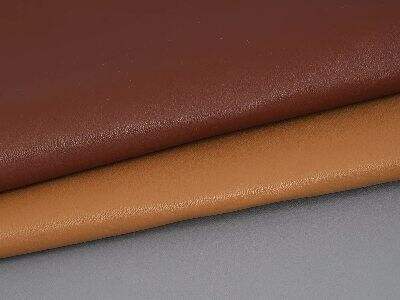
How to Evaluate the Quality of Vegan Leather for Automotive Interiors
Evaluating the quality of vegan leather for automotive interiors requires careful consideration of several specifications. First, the thickness of the material is crucial; it directly affects durability and comfort. A thickness of 1.0 mm to 1.5 mm is generally ideal for automotive applications, providing a balance between flexibility and strength
Additionally, pay attention to the material's resistance to wear and tear. Automotive interiors are subjected to frequent use and environmental factors, so look for vegan leather with anti-abrasion properties. CIGNO LEATHER's offerings, for example, include materials designed to withstand the rigors of daily use, complete with anti-mildew and fire-resistant features
Lastly, consider the ease of maintenance. Automotive interiors often require regular cleaning, so choose vegan leather that can be cleaned easily without damage. Request samples to test the cleaning process and confirm that the material meets your expectations before placing an order
Where to Source Wholesale Vegan Leather for Fashion and Accessories
Sourcing wholesale premium vegan leather for fashion and accessories involves identifying reliable suppliers who offer high-quality materials. Start by researching manufacturers that specialize in vegan leather, such as CIGNO LEATHER, which produces over 200,000 meters monthly. This level of production indicates capacity and reliability, important factors for meeting large order requirements
Next, evaluate the supplier's certifications. Look for products certified by USDA and GRS, which demonstrate eco-friendliness and adherence to industry standards. Furthermore, inquire about the supplier's customization capabilities—can they provide specific colors, textures, or patterns to suit your design needs
Networking within industry trade shows and online marketplaces can also yield valuable supplier connections. Always request samples to assess the quality and suitability of the material for your intended fashion or accessory application
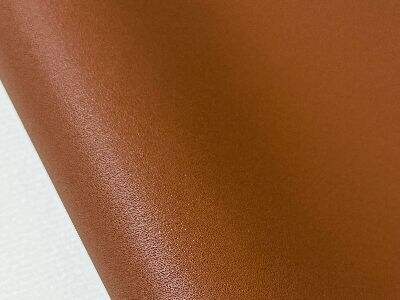
Understanding the Cost Factors of Vegan Leather Products
Understanding the cost factors associated with vegan leather products is essential for budget planning. The price of vegan leather can vary significantly based on several elements, including material type, thickness, and manufacturing processes. For instance, PU and microfiber are generally more affordable than silicone-based vegan leather, but they may differ in durability and application suitability
Another important consideration is minimum order quantity (MOQ). Suppliers often set MOQs that can impact overall costs, especially for smaller businesses. Negotiating MOQs with suppliers can lead to better pricing and more manageable inventory levels
Lastly, factor in shipping costs and lead times. High-quality vegan leather may have longer lead times due to specialized production processes. Understanding these elements will help you make more informed purchasing decisions and avoid unexpected costs
Specifications to Consider When Selecting Vegan Leather Materials
When selecting vegan leather by the yard materials, several specifications should be carefully considered to ensure suitability for your application. Start with the material composition—PU, microfiber, and silicone each have unique properties that can affect performance. For instance, PU is known for its durability and flexibility, making it suitable for various applications, while silicone provides excellent resistance to temperature extremes
Thickness is another vital specification. A thicker vegan leather may offer greater durability, but it could also limit flexibility. The optimal thickness depends on the intended application—furniture, automotive, or fashion. Consult with suppliers to determine the best option for your specific needs
Additionally, consider performance features such as fire resistance, moisture resistance, and UV stability. These characteristics can significantly impact the longevity and safety of the final product. For example, automotive interiors require materials that can withstand UV exposure without fading. Always request technical documentation from suppliers to confirm that the materials meet your performance criteria
By understanding the various applications and specifications of vegan leather, B2B buyers can make informed decisions that align with their operational needs, ensuring a successful partnership with suppliers committed to quality and sustainability
Table of Contents
- Choosing the Right Vegan Leather for Furniture Applications
- How to Evaluate the Quality of Vegan Leather for Automotive Interiors
- Where to Source Wholesale Vegan Leather for Fashion and Accessories
- Understanding the Cost Factors of Vegan Leather Products
- Specifications to Consider When Selecting Vegan Leather Materials