AR
 CS
 NL
 FR
 DE
 EL
 HI
 IT
 JA
 KO
 NO
 PL
 PT
 RU
 ES
 SV
 TL
 IW
 ID
 SR
 UK
 VI
 MT
 TH
 FA
 AF
 MS
 GA
 HY
 AZ
 BN
 LA
 MN
 KK
 UZ
 KU



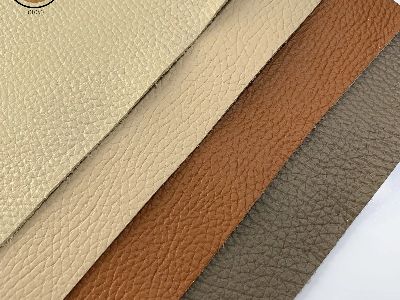
Sourcing eco leather from a reliable manufacturer for bulk orders can be a complex task for B2B buyers. This article explores the essential aspects of selecting the right supplier, understanding product specifications and navigating potential sourcing challenges. With a focus on practical insights, we aim to equip purchasing managers, product managers and engineers with the knowledge they need to make informed decisions when procuring eco-friendly synthetic leather.
How to Choose a Reliable Supplier for Eco Leather Bulk Orders?
When selecting a supplier for eco leather, it's crucial to assess their credibility and capability. Start by reviewing their production capacity, which should align with your bulk order requirements. For instance, a manufacturer like CIGNO LEATHER, which produces over 200,000 meters monthly, can handle large-scale orders efficiently. Verify their certifications, such as USDA and GRS, as these indicate adherence to environmental and quality standards. Additionally, request references from previous clients to gauge their reliability and service quality. A good supplier should be transparent about their supply chain practices and be willing to share information about their sourcing of raw materials. Look for manufacturers that offer customization capabilities to meet your specific product needs, which can be a significant advantage in competitive markets.
Key Specifications to Consider for Eco Leather Purchasing
Understanding the key specifications of eco leather is vital for ensuring it meets your application needs. Key factors to consider include:
Material Type: Different types of eco leather, such as PU, Microfiber, Silicon, and Vegan leather have distinct properties. Depending on the application—whether for automotive interiors, furniture, or accessories certain materials may be more suitable.
Thickness: The thickness of eco leather can affect its durability and appearance. For example, a thicker material may offer better abrasion resistance, which is critical for high-wear applications like automotive seats.
Surface Treatment: Consider whether the material has been treated for additional properties such as fire resistance or anti-mildew. This could be particularly important for products used in environments with high humidity or where fire safety is a concern.
Color Fastness and UV Resistance: These properties are essential for applications exposed to sunlight, ensuring that the material retains its appearance over time.
Custom Specifications: Discuss any specific requirements regarding colors, patterns, or finishes with potential suppliers, as customization options can enhance product appeal.
Understanding the Quality Standards of Eco Leather Products
Quality standards for eco leather vary by application and region. It's essential to understand the relevant standards that apply to your specific use case. For example, automotive applications may require compliance with specific safety regulations, while furniture may focus more on durability and aesthetic standards.
Ask suppliers about their quality control processes and how they test their products against industry standards. Regular testing for properties like tensile strength, tear resistance, and color fastness should be part of their quality assurance measures. Additionally, ensure that the supplier provides detailed product specifications and certifications that validate their claims about eco-friendliness and performance.
Common Challenges in Sourcing Eco Leather and Their Solutions
Sourcing eco leather can come with several challenges, including supply chain disruptions, varying material quality, and lengthy lead times. Here are some common issues and ways to address them:
Inconsistent Quality: Buyers may encounter variations in quality, especially when sourcing from multiple suppliers. To mitigate this, establish clear quality standards and request samples before placing bulk orders. Conducting a thorough inspection of samples can help ensure that the final product meets your expectations.
Supply Chain Reliability: Disruptions in the supply chain can lead to delays. To counter this, consider building relationships with multiple suppliers or having fallback options. Understanding the supplier's production of eco leather upholstery capabilities and logistics operations can provide insight into their reliability.
Communication Barriers: Often, international suppliers may have language barriers that lead to misunderstandings. Effective communication is crucial; therefore, work with suppliers who demonstrate a clear understanding of your needs and can articulate their processes and limitations.
Environmental Compliance: Ensure that the supplier adheres to eco-friendly practices throughout their manufacturing process. This includes verifying their sourcing of raw materials and waste management practices. Regular audits can help maintain compliance and assure that sustainable practices are being followed.
Installation Guidelines for Eco Leather in Various Applications
When installing eco leather, proper guidelines must be followed to ensure longevity and performance. Here are key considerations for different applications:
Automotive Interiors: For automotive applications, ensure that the eco leather is compatible with the vehicle's interior materials. Proper adhesion techniques are crucial; use adhesives recommended by the manufacturer to avoid delamination. Additionally, consider the effects of temperature fluctuations on the material during installation.
Furniture Upholstery: When using eco leather for furniture, pre-stretch the material to prevent sagging over time. Cut the material carefully to avoid fraying, and use appropriate tools for a clean finish. It's also essential to consider the foam density and type used underneath the upholstery for comfort and durability.
Footwear Production: In the footwear industry, flexibility and breath ability are crucial. Ensure the eco leather is properly tested for wear and tear as well as moisture management. Selection of the right thickness is vital to balance durability with comfort.
Bags and Accessories: For bags, the installation should focus on seam strength to withstand daily use. Reinforce high-stress areas with additional stitching or bonding techniques to enhance durability.
By following these installation guidelines, manufacturers can ensure that the eco leather products perform well and meet customer expectations in their respective applications. understanding how to source eco leather material from a reliable manufacturer involves careful consideration of supplier selection, product specifications, quality standards, potential challenges, and installation guidelines. By focusing on these areas, B2B buyers can make informed decisions that contribute to successful sourcing strategies.
Table of Contents
- How to Choose a Reliable Supplier for Eco Leather Bulk Orders?
- Key Specifications to Consider for Eco Leather Purchasing
- Understanding the Quality Standards of Eco Leather Products
- Common Challenges in Sourcing Eco Leather and Their Solutions
- Installation Guidelines for Eco Leather in Various Applications