AR
 CS
 NL
 FR
 DE
 EL
 HI
 IT
 JA
 KO
 NO
 PL
 PT
 RU
 ES
 SV
 TL
 IW
 ID
 SR
 UK
 VI
 MT
 TH
 FA
 AF
 MS
 GA
 HY
 AZ
 BN
 LA
 MN
 KK
 UZ
 KU


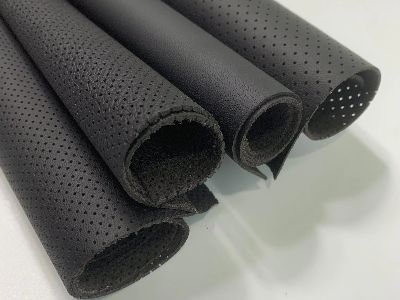
Microfiber faux leather has gained significant traction in the manufacturing world as a versatile alternative to traditional leather and other synthetic materials. For B2B buyers, understanding the key differences between microfiber faux leather and its alternative materials is crucial for making informed purchasing decisions. This article will explore essential considerations such as material properties, application suitability and supplier reliability, helping purchasing managers, engineers and product managers navigate their options effectively.
How to Compare Microfiber Faux Leather and Competing Fabrics?
When evaluating microfiber faux leather against other materials, several factors should be considered. First, assess the material's durability, which includes its resistance to wear and tear, moisture, and UV exposure. Microfiber faux leather typically boasts superior abrasion resistance and longevity compared to PVC or traditional leather, making it an attractive option for high-use applications.
Next, consider the environmental impact. Microfiber is often produced using eco-friendly processes, and many suppliers, including CIGNO LEATHER, offer certified options like USDA and GRS, which may appeal to sustainability-focused companies. Additionally, evaluate the aesthetic qualities of the materials. Microfiber can mimic the texture and appearance of genuine sustainable faux leather while being lighter and easier to maintain.
Finally, examine the cost-effectiveness of each material. While microfiber may have a higher upfront cost compared to some alternatives, its durability can lead to lower long-term costs through reduced replacement and maintenance needs.
Reliable Suppliers for Microfiber Faux Leather
Choosing a reliable supplier for microfiber faux leather is critical for ensuring quality and consistency in your products. Look for manufacturers with a strong reputation in the industry, proven production capabilities, and certifications that verify their commitment to quality and sustainability, such as those held by CIGNO LEATHER.
Key factors to consider when evaluating suppliers include:
Production Capacity: Ensure the supplier can meet your order volume consistently. CIGNO LEATHER, for instance, produces over 200,000 meters of synthetic leather monthly, which can accommodate large-scale projects.
Customization Options: Many suppliers offer customization capabilities, such as color matching, texture variations or specific performance characteristics tailored to your needs.
Quality Control Processes: A robust quality control system is essential for maintaining product standards. Inquire about testing methods, inspections, and the ability to provide samples before mass production.
Lead Times and Delivery: Understand the typical lead times for orders and any potential delays that might arise. Reliable suppliers should provide clear timelines and communicate effectively throughout the process.
Microfiber vs. Alternative Materials
Microfiber faux leather stands out against alternative materials, such as PVC or traditional leather, in several ways. One of the most significant differences is its composition. Microfiber is a blend of polyester and polyamide, resulting in a lightweight, breathable, and soft material. In contrast, PVC, while cost-effective, can lack breath ability and may not perform as well under heavy use.
In terms of performance, microfiber offers advantages such as:
Anti-Mildew and Anti-Abrasion Properties: These features make microfiber ideal for applications in environments where moisture or wear is a concern, such as automotive interiors and furniture.
Fire Resistance: Some microfiber products are treated to enhance fire resistance, making them suitable for use in commercial settings where safety regulations are stringent.
Maintenance: Microfiber is generally easier to clean and maintain compared to traditional best faux leather, which requires special care products and techniques.
Each material has its pros and cons, so it's essential to consider the specific application and performance requirements when making a selection.
Budgeting for Microfiber Faux Leather Purchases
Budgeting for microfiber faux leather requires a thorough understanding of the factors that influence pricing. While the initial cost may be higher than some alternative materials, it's essential to consider the total cost of ownership, which includes durability, maintenance, and potential replacement costs.
When preparing a budget, consider the following:
Material Costs: Request quotes from multiple suppliers to compare costs accurately. Be sure to include any customization options that may affect the price.
Minimum Order Quantities (MOQ): Suppliers often have MOQs that can impact your initial investment. Be clear about your needs to find a supplier that fits within your budget.
Shipping and Handling Fees: Include these costs in your budget, as they can vary significantly based on the supplier's location and your delivery requirements.
Long-Term Value: Factor in the expected lifespan of the material. Investing in higher-quality microfiber may lead to lower replacement rates and maintenance costs over time.
By considering these factors, B2B buyers can better prepare for negotiations and ensure they are making a financially sound decision.
Applications of Microfiber Faux Leather in Various Industries
Microfiber faux leather is a versatile material utilized across multiple industries, including furniture, automotive, fashion, and accessories. Each application leverages the unique properties of microfiber to enhance product performance and consumer appeal.
Furniture: Microfiber's durability and ease of maintenance make it an ideal choice for sofas, chairs, and upholstery. Its stain-resistant properties ensure that furniture remains attractive even with heavy use.
Automotive Interiors: The automotive industry benefits from microfiber's lightweight and fire-resistant qualities. It is commonly used in seat covers, dashboards, and door panels, providing a premium look and feel while meeting safety standards.
Footwear: In the fashion industry, microfiber is popular for shoes due to its flexibility and comfort. It can mimic the appearance of leather while being easier to clean and more resistant to water damage.
Bags and Accessories: Microfiber's versatility extends to bags, wallets and other accessories, where its aesthetic qualities and durability are highly valued by consumers.
By understanding the applications of microfiber faux leather sustainable, B2B buyers can make informed choices about how to incorporate this material into their product lines, ensuring they meet market demands effectively.