AR
 CS
 NL
 FR
 DE
 EL
 HI
 IT
 JA
 KO
 NO
 PL
 PT
 RU
 ES
 SV
 TL
 IW
 ID
 SR
 UK
 VI
 MT
 TH
 FA
 AF
 MS
 GA
 HY
 AZ
 BN
 LA
 MN
 KK
 UZ
 KU



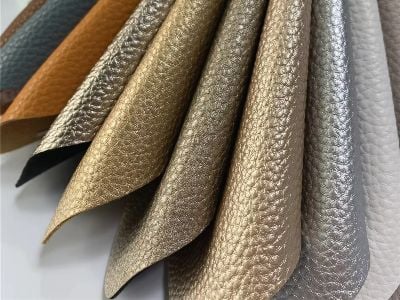
Understanding furniture leather performance is crucial for B2B buyers in industries like manufacturing, design, and retail. With the increasing demand for high-quality, eco-friendly materials, knowing the key quality factors to check can significantly influence purchasing decisions. This article will delve into the essential aspects of furniture leather performance, focusing on what to look for, how to compare options for wholesale purchases, and best practices for installation. By the end, purchasing managers, product managers, and other buyers will have a comprehensive understanding of how to evaluate and select the right furniture leather for their needs.
What Key Quality Factors to Check for Furniture Leather Performance?
When evaluating furniture leather performance, several key quality factors should be assessed:
Material Composition: Understanding the type of leather whether PU, Microfiber, Silicone, or Vegan leather is essential. Each material offers unique characteristics such as durability, flexibility, and environmental impact. For instance, PU leather is known for its affordability and ease of maintenance, while Microfiber offers superior durability and a texture that closely mimics genuine leather.
Durability Features: Look for specific durability features such as anti-abrasion, anti-mildew, and fire resistance. These attributes are crucial for ensuring that the leather withstands wear and tear, particularly in high-traffic environments. Certified products, like those that CIGNO LEATHER offers, provide assurance of these qualities.
Certifications: Certifications such as USDA and GRS indicate that the leather meets stringent environmental and quality standards. Buyers should verify these certifications to ensure they are investing in responsible and sustainable materials.
Thickness and Weight: The thickness of the leather can significantly impact its performance. Thicker materials may offer greater durability but can also be less flexible. Buyers should consider the balance between weight and durability based on the intended application.
Colorfastness and Finish: The finish of the microfiber leather furniture not only affects its aesthetic appeal but also its resistance to fading and staining. Buyers should ensure that the leather can maintain its appearance over time, especially in environments exposed to sunlight or spills.
How to Compare Furniture Leather Options for Wholesale Purchases?
When comparing furniture leather options for wholesale purchases, buyers should consider the following aspects:
Sample Approval: Request samples from multiple suppliers to evaluate texture, color, and finish. A sample should be tested under actual operating conditions to confirm its performance before committing to a larger order.
Price vs. Quality: While it may be tempting to select the lowest price option, consider the total cost of ownership. A cheaper material may lead to higher replacement costs or dissatisfaction in the long run. Assessing the durability and warranty options can provide insight into the value of the investment.
Customization Options: Many suppliers, including CIGNO LEATHER, offer customization capabilities. This can include specific colors, textures, or even sizes tailored to your project's requirements. Discuss these options upfront to ensure the leather for furniture upholstery meets your exact needs.
Lead Times: Understanding the lead time for production and delivery is vital. Delays can impact project timelines, so inquire about the expected turnaround for orders and any potential bottlenecks in the production process.
Supplier Reputation: Research the supplier’s reputation in the industry. Client testimonials, case studies, and industry certifications can provide insight into their reliability and product quality.
Essential Specifications for Evaluating Eco-Friendly Leather Products
Eco-friendly leather products are becoming increasingly prevalent, and evaluating their specifications requires attention to detail:
Material Sourcing: Verify how the leather is produced and sourced. Eco-friendly options should utilize sustainable practices, such as reduced chemical use in production and materials that minimize environmental impact.
Certifications: Look for certifications like GRS (Global Recycled Standard) that confirm the leather is manufactured responsibly and sustainably. These certifications provide credibility and assurance to buyers concerned about environmental impact.
Biodegradability: Understanding whether the leather is biodegradable or recyclable is essential for companies aiming to reduce their ecological footprint. This aspect is particularly important for businesses committed to sustainable practices.
Chemical Safety: Check if the leather is free from harmful chemicals like phthalates or heavy metals, which can pose health risks. Products that meet stringent safety standards ensure a safer environment for consumers.
Performance Testing: Eco-friendly upholstery leather should still meet high-performance standards. Buyers should request performance test results to ensure the material can withstand the demands of its intended application.
Best Practices for Installing Performance-Driven Leather Materials
Successful installation of performance-driven leather materials requires adherence to best practices:
Surface Preparation: Ensure the substrate is clean, dry, and free of debris. Proper surface preparation will enhance adhesion and longevity.
Adhesive Selection: Choose adhesives that are compatible with the leather type. Different materials may require specific adhesives for optimal performance.
Temperature and Humidity Control: Installation conditions should be controlled. Extreme temperatures or humidity can affect adhesive performance and leather appearance. Aim for a stable environment during installation.
Proper Cutting Techniques: Use sharp, appropriate tools for cutting the leather to avoid fraying or damaging the edges. Accurate cutting ensures a better fit and finish.
Post-Installation Care: Educate end-users on the proper maintenance of the leather after installation. This can include cleaning guidelines and recommended products to prolong the leather's lifespan.
Choosing the Right Leather for Diverse Applications
Selecting the right leather for specific applications involves careful consideration of various factors:
Application Environment: Consider where the leather will be used. For instance, furniture in commercial settings may require materials with enhanced durability and stain resistance compared to residential applications.
Aesthetic Requirements: Different applications may necessitate specific design elements. Whether it’s a sleek look for automotive interiors or a textured finish for furniture, ensure the leather aligns with the desired aesthetic.
Performance Needs: Identify the performance characteristics required for the application. For example, automotive interiors may need materials that can withstand temperature fluctuations and UV exposure, while furniture may prioritize comfort and breath ability.
Compliance with Industry Standards: Ensure the leather complies with relevant industry standards, especially in specialized sectors like automotive or healthcare. This compliance can affect the material's suitability for specific applications.
Feedback from End Users: Gathering insights from end-users can inform the decision-making process. Their experiences and preferences can guide the selection of leather that meets practical and aesthetic needs.
By understanding these key factors, B2B buyers can make informed decisions when selecting furniture leather, ensuring that their purchases align with both quality standards and environmental considerations.
Table of Contents
- What Key Quality Factors to Check for Furniture Leather Performance?
- How to Compare Furniture Leather Options for Wholesale Purchases?
- Essential Specifications for Evaluating Eco-Friendly Leather Products
- Best Practices for Installing Performance-Driven Leather Materials
- Choosing the Right Leather for Diverse Applications