AR
 CS
 NL
 FR
 DE
 EL
 HI
 IT
 JA
 KO
 NO
 PL
 PT
 RU
 ES
 SV
 TL
 IW
 ID
 SR
 UK
 VI
 MT
 TH
 FA
 AF
 MS
 GA
 HY
 AZ
 BN
 LA
 MN
 KK
 UZ
 KU



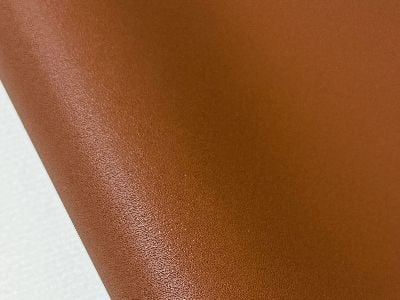
Choosing the right type of leather is crucial for B2B buyers in various industries, particularly when it comes to sustainability, quality, and application suitability. With the growing popularity of vegan leather, many purchasing managers are faced with the decision of whether to opt for vegan leather vs genuine leather. This article will delve into the key differences, practical considerations, and sourcing tips to help professionals make informed purchasing decisions.
Vegan Leather vs Genuine Leather
Vegan leather, often made from synthetic materials like polyurethane (PU) or microfiber, offers an eco-friendly alternative to genuine leather, which is sourced from animal hides. One of the primary concerns for B2B buyers is the environmental impact of their materials. Vegan leather is generally considered more sustainable, as it does not contribute to animal slaughter and often has a lower carbon footprint when produced responsibly.
However, genuine leather boasts durability and a unique aesthetic that can be difficult for synthetic options to replicate. Genuine leather is known for its longevity and ability to develop a patina over time, which some buyers view as a desirable characteristic. In contrast, high-quality vegan leather, like that produced by CIGNO LEATHER, can offer impressive durability and resistance to wear, with features like anti-mildew and fire resistance, making it suitable for demanding applications in furniture, automotive interiors, and fashion.
When evaluating options, buyers should consider the specific requirements of their projects, including the intended use, target market, and branding implications.
How to Choose Between Vegan Leather and Genuine Leather for Projects?
Selecting between vegan leather and genuine leather requires a clear understanding of the project’s specifications and goals. Here are several factors to consider:
Application Suitability: Identify the primary use of the leather. For example, automotive interiors may require materials that withstand higher levels of wear and tear, where high-quality PU leather might perform better than genuine leather in terms of maintenance and durability.
Cost Considerations: Vegan leather can often be more cost-effective than genuine leather, particularly for large-scale projects. Understanding the minimum order quantities (MOQ) and pricing structures is essential to ensuring budget compliance.
Customization Needs: Determine the level of customization required. Many manufacturers, including CIGNO LEATHER, offer customizable options for both vegan and genuine leather, enabling buyers to select specific colors, textures, and finishes that align with their brand identity.
Sustainability Goals: If sustainability is a priority for your organization, opt for best vegan leather certified by organizations like USDA or GRS, which ensure compliance with environmental standards.
Maintenance and Lifespan: Assess the long-term maintenance requirements of each material. While genuine leather requires conditioning and careful upkeep, high-quality and sustainable vegan leather products can be easier to clean and maintain.
By carefully evaluating these criteria, buyers can make well-informed decisions that align with their project goals and sustainability initiatives.
Common Problems with Genuine Leather and Sustainable Solutions
While genuine leather is prized for its durability, it does come with several challenges that can affect its suitability for B2B applications:
Animal Welfare Concerns: The sourcing of genuine leather raises ethical questions regarding animal treatment. Many buyers are now prioritizing ethically sourced materials or opting for vegan alternatives to align with consumer values.
Environmental Impact: The tanning and processing of animal hides can be harmful to the environment, involving toxic chemicals that can pollute water supplies. To mitigate these concerns, buyers can look for suppliers who use vegetable tanning methods or sustainable practices.
Maintenance Issues: Genuine leather requires regular conditioning to maintain its appearance and prevent cracking. This can add to the long-term costs. Vegan leather, however, often requires less maintenance, making it a practical choice for high-traffic areas.
Durability: While genuine leather is durable, it is also susceptible to scratches and stains. High-quality vegan leather products offered by manufacturers like CIGNO LEATHER can provide comparable durability while resisting damage from spills and abrasions.
By understanding these common issues associated with genuine leather, buyers can explore sustainable solutions that align with their operational goals while minimizing environmental impact.
Where to Source Reliable Suppliers of Vegan and Genuine Leather?
Finding trustworthy suppliers is crucial for any B2B buyer. Here are some strategies for sourcing high-quality vegan and genuine leather:
Industry Certifications: Look for suppliers who possess relevant certifications, such as USDA and GRS. These certifications indicate adherence to sustainability and quality standards.
Supplier Reputation: Research potential suppliers through industry forums, trade shows, and customer reviews. Established companies with a proven track record, like CIGNO LEATHER, often have better quality control processes and more reliable delivery times.
Sample Requests: Always request samples before placing a large order. This allows you to evaluate material quality, texture, and durability first-hand. Pay attention to how the material performs under various conditions.
Customization Capabilities: Ensure that the supplier can meet your specific customization needs, such as color matching and surface texture variations. This is particularly important for projects requiring a cohesive aesthetic.
Communication and Support: A reliable supplier should have strong customer service and support systems in place. This includes clear communication regarding order status, production timelines, and quality assurance processes.
By taking these steps, B2B buyers can confidently source the right materials for their projects.
Installation Guidance for Vegan Leather vs Genuine Leather Products
Proper installation is key to maximizing the performance and aesthetic appeal of both vegan and genuine leather products. Here are some considerations:
Preparation: Ensure that the surface is clean and dry before installation. Any contaminants can affect adhesion and lead to premature failure.
Tools and Techniques: Use appropriate tools for installation, such as a utility knife for cutting and heavy-duty adhesive for bonding. For genuine leather, specialized adhesives designed for leather can enhance performance.
Considerations for Stretch and Fit: Vegan leather typically has a bit more elasticity compared to genuine leather. Therefore, when planning your installation, allow for this stretch, particularly in high-traffic applications.
Final Inspection: After installation, conduct a thorough inspection to ensure that all seams are secure and that the material lies flat without any bubbles or wrinkles.
Maintenance and Care: Provide end-users with clear maintenance instructions tailored to the specific type of leather used. High-quality vegan leather often requires only a damp cloth for cleaning, while genuine leather may need more comprehensive care.
By following these guidelines, B2B buyers can ensure a smooth installation process that enhances the longevity and appearance of their leather products.
In summary, understanding the differences between vegan leather and genuine leather is essential for making informed purchasing decisions. With careful consideration of application needs, sustainability goals, and supplier selection, businesses can confidently choose the best materials for their projects while promoting responsible sourcing practices.