AR
 CS
 NL
 FR
 DE
 EL
 HI
 IT
 JA
 KO
 NO
 PL
 PT
 RU
 ES
 SV
 TL
 IW
 ID
 SR
 UK
 VI
 MT
 TH
 FA
 AF
 MS
 GA
 HY
 AZ
 BN
 LA
 MN
 KK
 UZ
 KU


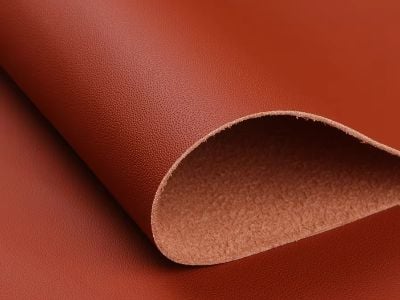
Sustainable mycelium leather is becoming an increasingly popular choice among B2B buyers in various industries, including fashion, automotive, and furniture manufacturing. As companies strive to enhance their sustainability practices, sourcing eco-friendly materials like mycelium leather presents a compelling opportunity. This article explores sustainable mycelium leather options and trends, focusing on the critical considerations for purchasing managers, distributors, and product managers. By the end of this guide, readers will gain valuable insights into product specifications, quality comparison, supplier reliability, cost factors and common challenges associated with mycelium leather.
Key Specifications for Wholesale Mycelium Leather Sourcing
When sourcing mycelium leather, buyers should focus on several key specifications to ensure they meet their application and performance requirements.
Material Composition: Mycelium leather is derived from the mycelium of fungi, often combined with other natural fibers and binding agents. Understanding the specific composition can help buyers assess the material's durability, flexibility, and environmental impact.
Thickness and Weight: The thickness of mycelium leather can vary significantly, typically ranging from 0.5 mm to 2 mm or more. Buyers should consider the application thicker materials may be more suitable for items like shoes or bags, while thinner options may be ideal for upholstery.
Surface Treatment: Surface finishes can enhance the aesthetic appeal and functional properties of mycelium leather. Treatments may include coatings for water resistance, anti-mildew properties, or surface embossing for texture. It's crucial to verify that these treatments align with the intended use.
Certifications: Look for certifications such as USDA or GRS (Global Recycled Standard) to ensure the product meets sustainability and environmental standards. These certifications can also enhance brand reputation when marketing products to eco-conscious consumers.
How to Compare the Quality of Mycelium Leather Products?
Comparing the quality of mycelium leather products requires a systematic approach. Here are several factors to consider:
Physical Testing: Request samples from suppliers to evaluate the material's performance. Key tests could include abrasion resistance, tear strength, and water resistance. These tests can indicate how well the material will hold up under real-world conditions.
Aesthetic Qualities: Assess the visual and tactile qualities of the leather. High-quality mycelium leather should have a consistent color and texture. Variations may indicate subpar manufacturing processes or raw material issues.
Durability Assessments: Investigate how well the material performs over time. Look for suppliers who provide information on longevity under typical use conditions. This can include feedback from existing customers or case studies showcasing the material's performance in similar applications.
Environmental Impact: Understand the sourcing and production process of the mycelium leather. A supplier committed to sustainable practices will often provide transparency about their supply chain, which is vital for assessing the overall environmental footprint of the product.
Where to Find Reliable Suppliers of Mycelium Leather?
Finding trustworthy suppliers of mycelium leather involves thorough research and assessment. Here are steps to identify reliable sources:
Industry Trade Shows and Expos: Attend relevant trade shows focused on sustainable materials and textiles. These events provide opportunities to meet suppliers, view products firsthand, and engage in discussions about their capabilities.
Online Marketplaces and Directories: Utilize online platforms like Alibaba or ThomasNet to search for synthetic leather suppliers. Review supplier profiles, product offerings, and customer feedback to gauge reliability.
Networking within Industry Associations: Join industry-specific associations or forums related to sustainable materials. Engaging with industry peers can lead to valuable recommendations for reputable suppliers.
Request for Information (RFI): When potential suppliers are identified, send out RFIs to gather detailed information about their manufacturing processes, capacity, certifications, and customization options. Assess responses based on clarity and completeness.
Cost Factors to Consider When Purchasing Mycelium Leather
Understanding the cost structure of mycelium leather is crucial for budget management and supplier negotiations. Here are key cost factors to consider:
Material Costs: Prices can vary significantly based on the material composition and quality. Higher-quality mycelium leather may come at a premium but can offer better performance and longevity.
Customization and Design: If specific designs or customizations are required, factor in additional costs. Custom molds, unique finishes, or specialized treatments can increase the overall price.
Minimum Order Quantities (MOQs): Be aware of MOQs set by suppliers. Higher MOQs may lead to lower unit prices, but ensure that your production needs align with these requirements to avoid excess inventory.
Shipping and Import Duties: Consider logistics costs, including transportation and potential import tariffs. Depending on the supplier's location, these costs can significantly impact the overall purchasing price.
Common Problems with Mycelium Leather and Effective Solutions
While mycelium leather offers numerous benefits, buyers should be aware of potential challenges associated with the material:
Variability in Quality: Inconsistent quality can arise from variations in raw material sourcing or production processes. To mitigate this, always request samples before committing to large orders. Establish clear quality control standards with suppliers to ensure consistency.
Limited Awareness of Care Instructions: Mycelium leather care may differ from traditional leathers. Provide clear care instructions to end-users to prevent issues such as water damage or improper cleaning, which could compromise the material's integrity.
Environmental Degradation: If exposed to extreme conditions, leather for sale can degrade more quickly than synthetic alternatives. Buyers should ensure that the end application provides suitable protection from harsh environmental factors.
Supply Chain Transparency: Some suppliers may lack clarity regarding their sourcing and production processes. Foster open communication with suppliers about their practices to ensure that the products align with sustainability goals.
By considering these aspects, B2B buyers can make informed decisions regarding sustainable mycelium leather options and trends, ensuring they select products that align with their operational needs and sustainability objectives.