AR
 CS
 NL
 FR
 DE
 EL
 HI
 IT
 JA
 KO
 NO
 PL
 PT
 RU
 ES
 SV
 TL
 IW
 ID
 SR
 UK
 VI
 MT
 TH
 FA
 AF
 MS
 GA
 HY
 AZ
 BN
 LA
 MN
 KK
 UZ
 KU



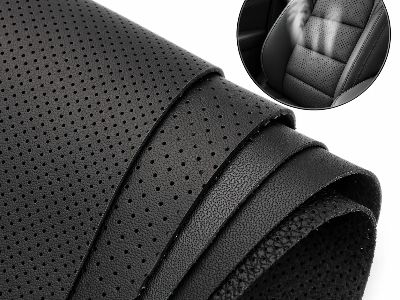
Sustainable vegan leather is transforming the manufacturing landscape, offering a responsible alternative to traditional materials. As global manufacturers and brands increasingly prioritize eco-friendliness, understanding current sustainable vegan leather trends becomes essential. This article will address key specifications, selection criteria, cost comparisons, applications, and installation guidance to help B2B buyers make informed decisions
Key Specifications for B2B Buyers
When considering sustainable vegan leather, key specifications play a crucial role in ensuring the product meets project requirements. Important specifications include
Material Composition: Sustainable vegan leather can be made from various materials, including PU (polyurethane), microfiber, and silicone. Each material has different properties, impacting durability, flexibility, and environmental footprint
Thickness: The thickness of the vegan leather affects both its appearance and performance. Thicker materials tend to provide better durability and resistance to wear, making them suitable for high-traffic applications like automotive interiors
Certifications: Look for materials certified by organizations such as USDA and GRS, which validate the eco-friendliness and sustainability of the product Certifications ensure that the leather meets specific environmental and quality standards, which can be critical for brand reputation
Performance Features: Consider features like anti-mildew, anti-abrasion, and fire resistance. These properties are essential for applications that require enhanced safety and longevity, such as in furniture or automotive sectors
Understanding these specifications will help buyers assess the suitability of sustainable vegan leather for their specific needs and applications
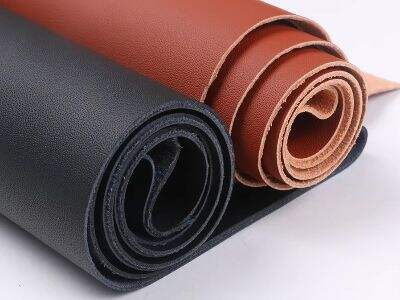
How to Choose the Right Sustainable Vegan Leather for Your Projects
Selecting the right sustainable vegan leather involves various considerations that impact both functionality and aesthetics. Here are some factors to keep in mind
Application Requirements: Determine the specific requirements of your project. For example, automotive applications may require materials with enhanced durability and resistance to environmental factors, while fashion products may prioritize texture and appearance
Customization Needs: Consider whether you need custom colors, textures, or finishes to align with your brand identity. Many manufacturers, including CIGNO LEATHER, offer customization options to meet specific design and performance criteria
Compatibility with Production Equipment: Ensure the chosen vegan leather is compatible with existing production machinery. A material that performs well in theory may not yield the desired results if it doesn't work seamlessly with your manufacturing processes
Sample Testing: Before committing to a large order, request samples to evaluate the material's appearance, texture, and performance under actual conditions. Testing samples helps identify any potential issues early in the production process
By addressing these factors, B2B buyers can confidently select the appropriate sustainable vegan leather that aligns with their project goals
Comparing Wholesale Costs of Sustainable Vegan Leather Options
Understanding the cost structure of sustainable premium vegan leather is vital for budget planning. When comparing wholesale costs, consider the following factors
Material Type: Different types of sustainable vegan leather carry varying price points. For instance, PU leather may be more affordable than silicone-based options due to differences in production costs and material properties
Minimum Order Quantities (MOQ): Manufacturers often set MOQs that can influence overall pricing. Higher MOQs may lead to reduced per-unit costs, but buyers should balance inventory needs against budget constraints
Customization Costs: Customization options, such as unique colors or finishes, can increase costs. Evaluate whether the added expense aligns with the expected ROI based on market demand and brand positioning
Shipping and Packaging Fees: Don’t forget to factor in shipping costs and packaging, which can significantly affect the total cost, especially for international orders. Understanding these expenses upfront can help avoid budget overruns
By analyzing these cost components, buyers can make informed purchasing decisions that align with financial objectives
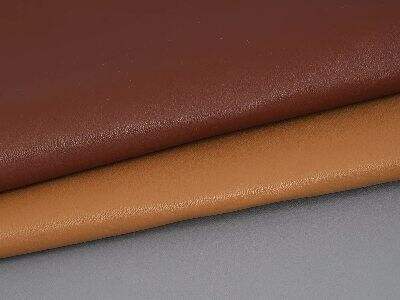
Understanding the Applications of Sustainable Vegan Leather in Manufacturing
Sustainable vegan leather's versatility makes it suitable for a wide range of applications across various industries. Key applications include
Furniture: Vegan leather is increasingly used in furniture upholstery, offering a stylish and eco-friendly alternative to traditional leather. Its durability and ease of maintenance make it an appealing choice for both residential and commercial settings
Automotive Interiors: Many automotive manufacturers are turning to sustainable vegan leather for seat covers, dashboards, and interior trims. Its resistance to wear and tear, combined with aesthetic appeal, aligns well with automotive design standards
Fashion Accessories: The fashion industry has embraced sustainable vegan leather for bags, shoes, and other accessories. With customization options available, brands can create unique designs while minimizing their environmental impact
Consumer Goods: Sustainable vegan leather is finding its way into consumer products such as phone cases, wallets, and belts, appealing to eco-conscious consumers looking for stylish alternatives
Understanding these applications helps buyers identify the best product fit for their target market and usage scenarios
Installation Guidance for Sustainable Vegan Leather Products
Proper installation of sustainable vegan leather by the yard products is crucial for performance and longevity. Here are practical guidelines
Preparation: Ensure that the surface where the vegan leather will be applied is clean, dry, and free from debris. Any imperfections can affect the adhesion and overall appearance
Adhesive Selection: Choose an appropriate adhesive based on the material and application. Some vegan leathers may require specific adhesives to ensure a secure bond, especially in high-stress environments like automotive interiors
Temperature and Humidity Considerations: Installation conditions, such as temperature and humidity, can significantly affect the performance of the adhesive and the vegan leather itself. Follow the manufacturer's recommendations for optimal environmental conditions during installation
Final Inspection: After installation, conduct a thorough inspection to ensure there are no bubbles, wrinkles, or misalignments. Addressing these issues before finalizing the installation can prevent future complications
By following these installation guidelines, B2B buyers can ensure that their projects utilizing sustainable vegan leather meet both aesthetic and performance expectations
Table of Contents
- Key Specifications for B2B Buyers
- How to Choose the Right Sustainable Vegan Leather for Your Projects
- Comparing Wholesale Costs of Sustainable Vegan Leather Options
- Understanding the Applications of Sustainable Vegan Leather in Manufacturing
- Installation Guidance for Sustainable Vegan Leather Products