AR
 CS
 NL
 FR
 DE
 EL
 HI
 IT
 JA
 KO
 NO
 PL
 PT
 RU
 ES
 SV
 TL
 IW
 ID
 SR
 UK
 VI
 MT
 TH
 FA
 AF
 MS
 GA
 HY
 AZ
 BN
 LA
 MN
 KK
 UZ
 KU


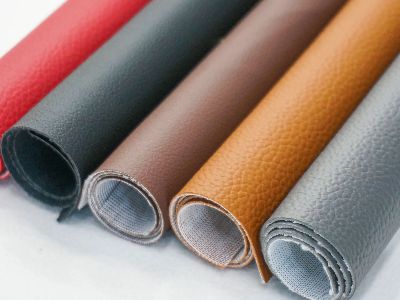
When considering materials for your next product, the choice between PU, PVC, and bio-based vegan leather can be pivotal. Each material has unique properties, benefits, and applications that can affect the performance, sustainability, and aesthetic of your final product. This article aims to equip B2B buyers, including purchasing managers and product developers, with the necessary insights to determine which material, PU, PVC, or bio-based vegan leather is right for their specific needs.
PU, PVC, or Bio-Based Vegan Leather?
When choosing between PU (polyurethane), PVC (polyvinyl chloride), and bio-based vegan leather, it's crucial to understand their distinct characteristics.
PU Leather: Known for its softness and flexibility, PU leather is a popular choice in various applications, including furniture, automotive interiors, and fashion accessories. It mimics the texture of genuine leather while being considerably lighter and easier to maintain. PU is also more breathable than PVC, which can enhance comfort in applications like clothing or upholstered furniture.
PVC Leather: PVC is a more affordable alternative often used in budget-conscious projects. While it is durable and resistant to moisture, its rigid structure can limit its applications in high-end fashion or soft goods. PVC also has a higher environmental impact during production and disposal compared to PU and bio-based options.
Bio-Based Vegan Leather: This material is derived from sustainable sources, such as plant extracts, and offers an eco-friendly alternative that appeals to environmentally-conscious consumers. Bio-based premium vegan leather often features a unique texture and aesthetic, making it suitable for high-end fashion products. However, it may require specific care and handling to maintain its quality over time.
In summary, your choice should align with the intended use, budget, and sustainability goals of your project.
Where to Buy PU and Vegan Leather in Bulk?
For businesses looking to purchase PU and vegan leather in bulk, it’s essential to partner with reputable suppliers who can provide quality materials at competitive prices. CIGNO LEATHER specializes in eco-friendly synthetic leather and offers over 200,000 meters of high-quality materials monthly. When sourcing, consider the following factors:
Minimum Order Quantity (MOQ): Confirm the MOQ with your supplier to ensure it aligns with your production needs.
Customization Options: Discuss customization capabilities, such as colors, textures, and finishes. This can help you create a product that stands out in the market.
Certifications: Look for suppliers that offer certified materials, such as USDA and GRS certifications, to ensure compliance with industry standards and sustainability practices.
Establishing a solid relationship with your supplier can facilitate smoother transactions and better communication regarding production timelines and quality expectations.
Installation Guidance for PU and Vegan Leather in Your Projects
Installing PU and vegan leather requires attention to detail to ensure a flawless finish. Here are some key installation tips:
Surface Preparation: Ensure the surface is clean, dry, and free from any contaminants before applying the material. This will improve adhesion and the overall appearance of the final product.
Cutting Techniques: When cutting PU or vegan leather, use sharp tools to avoid fraying edges. Consider a cutting mat for more precise cuts and to protect your work surface.
Adhesives: Choose the right adhesive based on the application. For upholstery projects, contact cement or spray adhesive is often used. Make sure to follow the manufacturer's recommendations for application and curing times.
Seaming and Finishing: Use appropriate sewing techniques to secure seams. For a professional finish, consider using a walking foot sewing machine to handle the thickness of multiple layers.
Proper installation not only ensures the aesthetic appeal of the product but also contributes to its durability and functionality.
Understanding the Applications of PU and Vegan Leather in Manufacturing
PU and vegan leather have diverse applications across various industries. Understanding these applications can help buyers select the right material for their products:
Furniture: PU leather is widely used in upholstery due to its comfort and ease of maintenance. It can withstand daily wear and tear while maintaining its appearance.
Automotive Interiors: Both PU and vegan leather are ideal for car interiors. Their resistance to abrasion, fire, and mildew makes them suitable for high-demand environments.
Fashion Accessories: Vegan leather is increasingly popular in the fashion industry for bags, shoes, and clothing, appealing to consumers looking for sustainable options.
Sporting Goods: PU leather is often used in sports equipment, providing durability and flexibility, critical for high-performance applications.
By understanding these applications, buyers can make informed decisions that align with their product goals and market demands.
Common Problems in Synthetic Leather and Effective Solutions for Buyers
While synthetic leather offers numerous advantages, buyers should be aware of common issues and their solutions:
Durability Concerns: Over time, synthetic leather may show signs of wear, such as cracking or fading. To mitigate this, ensure you choose high-quality materials with proper certifications. Regular maintenance and cleaning can also prolong the lifespan of the material.
Environmental Impact: PVC, in particular, poses environmental challenges. Opting for PU or bio-based vegan leather can greatly reduce the ecological footprint of your products.
Adhesion Issues: If adhesives do not bond well, it can lead to delamination. Always follow the manufacturer’s guidelines for adhesive application and consider performing tests on small samples before full production.
Color Fading: Exposure to UV light can cause fading in synthetic leather. Selecting UV-resistant materials or applying protective coatings can help maintain color integrity.
By understanding these potential challenges and their solutions, buyers can make better purchasing decisions and ensure the longevity and performance of their products.
By carefully evaluating the properties and applications of PU, PVC, and bio-based best vegan leather, B2B buyers can make more informed choices that align with their product specifications, sustainability goals, and market trends.