AR
 CS
 NL
 FR
 DE
 EL
 HI
 IT
 JA
 KO
 NO
 PL
 PT
 RU
 ES
 SV
 TL
 IW
 ID
 SR
 UK
 VI
 MT
 TH
 FA
 AF
 MS
 GA
 HY
 AZ
 BN
 LA
 MN
 KK
 UZ
 KU



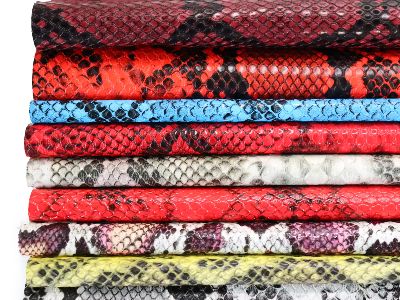
PU leather, or polyurethane leather, is a popular choice for a variety of applications, including furniture, automotive interiors, and fashion accessories. Known for its durability, flexibility, and hydrolysis resistance, PU leather is an eco-friendly synthetic alternative to traditional leather. We'll examine the key specifications for hydrolysis resistance in PU leather, where to source high-quality materials, cost factors for bulk orders, common issues faced with PU leather and how to select the right supplier to meet your business needs.
Key Specifications for Hydrolysis Resistance in PU Leather
Hydrolysis resistance is a critical performance characteristic for PU leather, especially in environments with high moisture levels. This property refers to the material's ability to withstand degradation when exposed to water and humidity over time.
To evaluate hydrolysis resistance, consider the following specifications:
Material Composition: The formulation of the pu leather significantly impacts its hydrolysis resistance. Higher-quality PU leathers often utilize advanced polymer technology, enhancing their durability against moisture. Buyers should confirm the specific types of polyurethanes used and their resistance ratings.
Thickness: Thicker PU leather is generally more resistant to hydrolysis, as it provides a more robust barrier against moisture penetration. Typical thicknesses range from 0.8 mm to 1.5 mm, with applications determining the ideal choice.
Testing Standards: Look for products tested according to international standards such as ISO 1419, which measures the hydrolytic stability of polymer materials. Buyers should request test results or certifications from manufacturers to ensure compliance.
By understanding these specifications, buyers can make informed decisions that ensure the PU leather will perform well in demanding applications, reducing the risk of premature degradation.
Where to Source High-Quality PU Leather for Your Business?
Sourcing high-quality PU leather begins with identifying reliable manufacturers and suppliers. Here are some steps to guide your procurement process:
Evaluate Manufacturer Credentials: Look for suppliers like CIGNO LEATHER, known for their expertise in producing eco-friendly synthetic leather. Verify their certifications, such as USDA and GRS, which reflect their commitment to sustainability and quality.
Request Samples: Before placing bulk orders, always request samples of the pu leather material. This allows you to assess the material's appearance, texture, and performance in real-world conditions. Testing samples for flexibility, durability, and hydrolysis resistance is essential.
Assess Production Capacity: Ensure the manufacturer can meet your volume requirements. CIGNO LEATHER, for example, produces over 200,000 meters monthly, making them capable of fulfilling large orders efficiently.
Check Reviews and References: Investigate feedback from other buyers to gauge the supplier’s reliability and product quality. Engaging with industry forums or networks can provide valuable insights.
By following these steps, businesses can confidently source high-quality PU leather that meets their specific needs.
Comparing Cost Factors of PU Leather for Bulk Orders
When evaluating costs for bulk orders of PU leather, several factors need consideration:
Material Quality: Higher-quality PU leather typically comes with a higher price tag due to superior raw materials and manufacturing processes. Assessing the trade-off between price and quality is crucial for long-term value.
Order Quantity: Most manufacturers offer discounts for larger orders. Understanding the minimum order quantity (MOQ) can help in negotiating better pricing. For instance, CIGNO LEATHER may have specific MOQs based on product type and customization.
Customization Requirements: Custom colors, textures, or treatments can affect pricing significantly. Buyers should outline their specifications clearly to receive accurate quotes. Customization can also impact lead times, so factor this into your planning.
Shipping and Logistics: Don’t forget to include shipping costs in your total pricing. Consider logistics for importing PU leather, especially if sourcing from international suppliers. Shipping times and costs can vary based on the supplier's location and your delivery needs.
By carefully comparing these cost factors, businesses can ensure they are making economically sound purchasing decisions.
Common Problems with PU Leather and Practical Solutions
While PU leather is a durable and versatile material, there are common issues buyers should be aware of:
Peeling and Cracking: Over time, PU leather can suffer from peeling or cracking, especially if exposed to extreme temperatures or improper cleaning methods. To combat this, ensure proper care instructions are provided to end-users, emphasizing the importance of avoiding harsh chemicals.
Staining: Some PU leathers may stain easily, particularly lighter colors. Implementing a regular maintenance schedule that includes cleaning and conditioning treatments can help maintain appearance and extend the product's lifespan.
Hydrolysis Issues: As discussed earlier, hydrolysis can lead to degradation in humid environments. When selecting PU leather for such applications, prioritize high hydrolysis resistance ratings and confirm testing results with your supplier.
Color Fading: Exposure to sunlight can cause color fading over time. Opt for UV-resistant finishes when selecting pu leatherette material for outdoor or bright-light applications, ensuring the material retains its aesthetic appeal.
Addressing these common problems proactively can enhance customer satisfaction and reduce returns.
Choosing the Right PU Leather Supplier for Your Needs
Selecting the right supplier for PU leather is essential for ensuring product quality and reliability. Here are some key considerations:
Product Range and Specialization: Evaluate the supplier’s range of PU leather products. A supplier like CIGNO LEATHER, with expertise in various applications such as automotive interiors and furniture, can provide tailored solutions for your specific needs.
Quality Assurance Processes: Investigate the supplier's quality control measures. A robust QA process, including regular inspections and testing, can help mitigate risks associated with product defects.
Communication and Support: A responsive supplier who provides excellent customer service can make a significant difference. Assess their communication style and willingness to address concerns or provide guidance throughout the procurement process.
Sustainability Practices: As eco-friendliness becomes increasingly important in manufacturing, consider suppliers that prioritize sustainable practices. Certifications like USDA and GRS can provide peace of mind regarding the environmental impact of your procurement choices.
By carefully evaluating potential suppliers based on these criteria, businesses can forge partnerships that enhance product quality and operational efficiency.