AR
 CS
 NL
 FR
 DE
 EL
 HI
 IT
 JA
 KO
 NO
 PL
 PT
 RU
 ES
 SV
 TL
 IW
 ID
 SR
 UK
 VI
 MT
 TH
 FA
 AF
 MS
 GA
 HY
 AZ
 BN
 LA
 MN
 KK
 UZ
 KU



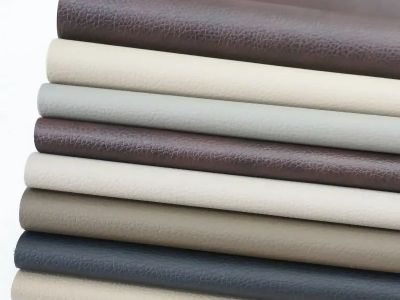
Choosing eco leather for commercial and manufacturing applications involves understanding various factors that impact performance, durability, and sustainability. With the increasing demand for environmentally-friendly materials, it's essential for B2B buyers—such as purchasing managers, engineers, and product managers—to evaluate the right type of eco leather that meets their specific needs. This article will guide you through the key considerations when selecting eco leather, ensuring that you make informed purchasing decisions
How to Choose Eco Leather for Quality Commercial Applications
When selecting eco leather for commercial applications, quality should be your top priority. Begin by assessing the material type—options like PU (polyurethane), microfiber, silicone, and vegan leather each have unique properties that influence their performance and suitability for different applications. For instance, PU leather is known for its versatility and affordability, making it ideal for furniture and bags, while silicone leather offers excellent resistance to water and heat, making it suitable for automotive interiors
Next, consider the intended application. Eco leather used in upholstery must possess durability and resistance to wear and tear, while products designed for fashion accessories may prioritize aesthetics. Always request samples to evaluate the look, feel, and flexibility of the material before making a bulk purchase. This hands-on approach allows you to gauge how the eco leather will perform in real-world conditions, confirming its suitability for your specific application
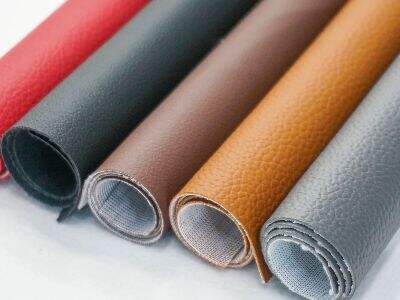
Key Specifications for Evaluating Eco Leather Products
Understanding the specifications of eco leather is crucial in making an informed choice. Here are a few key factors to consider
Thickness: This affects the material's durability and appearance. Thicker eco leather is often more robust, making it ideal for high-use environments, while thinner options may be better for fashion applications
Finish: The surface treatment of eco leather can impact its resistance to stains, moisture, and abrasion. Look for finishes that enhance the material's lifespan, especially for commercial applications
Certifications: Ensure the eco leather is certified by credible organizations, such as USDA and GRS. These certifications indicate that the product meets environmental standards and has undergone rigorous testing
Fire Resistance: For applications in commercial spaces, especially in automotive and furniture, fire-resistant properties are vital. Confirm that the material complies with relevant fire safety regulations
By carefully evaluating these specifications, you can choose eco leather that not only meets aesthetic requirements but also withstands the rigors of daily use
Understanding Cost Factors When Purchasing Eco Leather in Bulk
Cost is a critical factor when sourcing eco leather, especially in bulk. The price per meter can vary based on several elements, including the material type, production process, and order volume. Generally, PU leather is more affordable than silicone or microfiber, but pricing can also be influenced by additional features like certifications and specialized finishes
When negotiating pricing, consider the following
Minimum Order Quantity (MOQ): Suppliers often have a MOQ, which can affect the overall cost. Purchasing larger quantities may lead to bulk discounts, but ensure that your order aligns with your usage projections to avoid excess inventory
Lead Time: Consider the time required for production and delivery. A lower price may come with longer lead times, which can impact your project schedules
Customization: Customizing eco leather, such as specific colors or surface textures, may incur additional costs. Clearly outline your requirements to get accurate pricing
Understanding these cost factors will help you budget effectively and choose a supplier that meets both your financial and operational needs
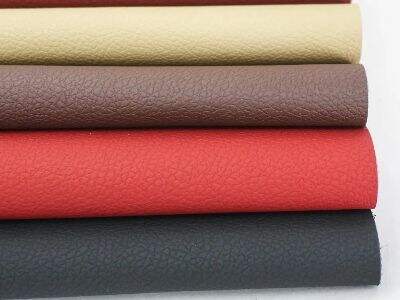
Installation Guidance for Eco Leather in Manufacturing Settings
Installing eco leather in manufacturing settings requires careful planning to ensure optimal performance. Start by preparing the substrate—this is the surface onto which the eco leather will be applied. It’s crucial that the substrate is clean, dry, and smooth to avoid imperfections in the final product
Next, consider the application method. For larger surfaces, using adhesives is common, while smaller items might benefit from sewing. Regardless of the method, ensure that the adhesive or stitching technique is compatible with the eco leather being used
Before mass production, conduct a trial run to test the installation process. This helps identify any potential issues, such as adhesion failure or material stretching, allowing you to make necessary adjustments. Documentation of the installation process can serve as a valuable reference for future projects, ensuring consistency and quality across your production runs
Advantages of Using Eco Leather in Various Industrial Applications
Eco leather presents numerous advantages across various industrial applications. Here are some key benefits
Environmental Impact: Eco leather is produced using sustainable practices, minimizing harm to the environment compared to traditional leather manufacturing. This can enhance your company's sustainability profile and appeal to eco-conscious consumers
Versatility: The adaptability of eco leather makes it suitable for a wide range of applications—from furniture and automotive interiors to fashion accessories and footwear. This versatility allows for design creativity and broadens market opportunities
Durability: High-quality eco leather is designed to withstand daily wear and tear, making it a reliable choice for commercial environments. Features like anti-abrasion and anti-mildew properties further extend its lifespan
Ease of Maintenance: Unlike traditional leather, eco leather typically requires less maintenance and can be cleaned easily, saving time and costs in the long run
Cost-Effectiveness: While initial costs may vary, the durability and low maintenance of eco leather can lead to lower total lifecycle costs, making it an economically viable option for businesses
Incorporating eco leather into your product offerings not only aligns with sustainability goals but also meets the growing consumer demand for environmentally-friendly alternatives
By understanding how to choose eco leather for commercial and manufacturing applications, you can select the right materials that enhance product quality while adhering to sustainability standards. This comprehensive approach will help you make informed purchasing decisions that benefit both your business and the environment
Table of Contents
- How to Choose Eco Leather for Quality Commercial Applications
- Key Specifications for Evaluating Eco Leather Products
- Understanding Cost Factors When Purchasing Eco Leather in Bulk
- Installation Guidance for Eco Leather in Manufacturing Settings
- Advantages of Using Eco Leather in Various Industrial Applications