AR
 CS
 NL
 FR
 DE
 EL
 HI
 IT
 JA
 KO
 NO
 PL
 PT
 RU
 ES
 SV
 TL
 IW
 ID
 SR
 UK
 VI
 MT
 TH
 FA
 AF
 MS
 GA
 HY
 AZ
 BN
 LA
 MN
 KK
 UZ
 KU



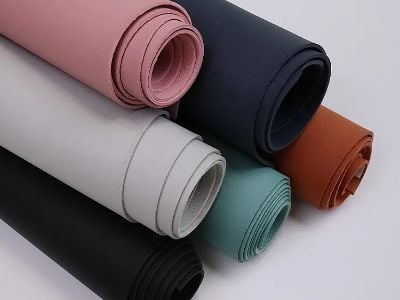
In the world of furniture manufacturing, choosing the right leather is crucial for product performance, aesthetics, and sustainability. This article explores microfiber leather furniture applications and how manufacturers select the appropriate material. With a focus on eco-friendly options, we’ll delve into key considerations for purchasing managers and product developers, addressing their primary concerns such as material specifications, cost factors, and supplier reliability. By the end, you'll gain insights into effective strategies for sourcing the right leather for your furniture projects.
Understanding Material Specifications for Furniture Leather Applications
When selecting leather for furniture applications, understanding material specifications is vital. Key factors include the type of leather, thickness, texture, and durability. Eco-friendly synthetic leathers like PU, Microfiber, Silicone, and Vegan leather are increasingly popular due to their environmental benefits and versatility.
Type of Leather: Each type has unique properties. For instance, PU leather offers a good balance of affordability and durability, while Microfiber leather is known for its softness and stain resistance.
Thickness: The thickness of the leather affects its durability and appearance. Thicker materials tend to be more robust but may not drape as well. For furniture, a thickness of 1.0 to 1.5 mm is often preferred for balance.
Durability Features: Consider features such as anti-abrasion and fire resistance. These leather for furniture upholstery are crucial for furniture that will see heavy use, ensuring longevity and safety.
Understanding these specifications helps manufacturers select materials that align with both design and functional requirements, ultimately influencing the final product's quality and customer satisfaction.
Cost Factors to Consider When Sourcing Leather for Furniture
Cost is a major consideration when sourcing leather for furniture. However, it extends beyond the initial price per meter. Here are several key cost factors to consider:
Material Type: Different leathers come with varying price points. Eco-friendly options like those produced by CIGNO LEATHER may have higher upfront costs but can offer long-term savings through durability and reduced environmental impact.
Production Volume: Bulk orders often result in lower per-unit costs. Understanding the Minimum Order Quantity (MOQ) is critical. CIGNO LEATHER can produce over 200,000 meters monthly, allowing for competitive pricing on large orders.
Shipping and Handling: Logistics can significantly impact overall costs. Consider the distance from the supplier, shipping methods, and customs duties. Sourcing from a manufacturer with efficient shipping processes can reduce overall expenditure.
Quality Control: Investing in quality checks during production can prevent costly returns and replacements. Make sure to factor in the costs of inspection and testing to ensure the material meets your specifications.
By considering these factors, purchasing managers can make informed decisions that balance quality and cost-effectiveness.
Where to Find Reliable Suppliers of Eco-Friendly Leather Materials?
Finding reliable suppliers is essential for successful sourcing of furniture leather. Here are strategies to identify trustworthy manufacturers:
Industry Associations: Look for manufacturers affiliated with industry organizations that promote sustainable practices. These associations often have directories of certified suppliers.
Certifications: Check for certifications like USDA and GRS, which indicate compliance with environmental and health standards. CIGNO LEATHER boasts certifications that reflect their commitment to eco-friendly production.
Reputation and Reviews: Research potential suppliers online. Customer reviews and case studies can provide insights into reliability and product quality. Engaging with industry peers for recommendations can also lead to trustworthy sources.
Sample Requests: Before committing to a supplier, request samples. This allows you to evaluate material quality and suitability for your specific applications.
By following these steps, manufacturers can establish a reliable supply chain for eco-friendly leather materials.
Common Problems in Leather Selection and Effective Solutions
Selecting leather for furniture can present challenges. Here are common problems and their solutions:
Material Inconsistencies: Variations in color or texture can occur, especially with natural leathers. Ensure that your supplier has stringent quality control measures in place and request samples for approval before mass production.
Compatibility with Manufacturing Processes: Some sustainable leathers may not work well with specific manufacturing techniques or machinery. Discuss your production methods with the supplier to ensure the material is compatible. CIGNO LEATHER’s diverse synthetic options are designed to work with various manufacturing processes.
Environmental Concerns: As sustainability becomes a priority, sourcing materials that align with eco-friendly practices is critical. Ensure your supplier can provide documentation of sustainable practices and source materials that meet your environmental standards.
By anticipating these issues and addressing them upfront, manufacturers can streamline the selection process and enhance product quality.
Wholesale Purchasing Tips for Bulk Orders of Furniture Leather
When purchasing furniture leather in bulk, specific strategies can optimize your buying process:
Request Detailed Quotations: Provide suppliers with comprehensive details, including type of leather, dimensions, quantities, and any specific customization needs. This ensures accurate pricing and reduces the likelihood of misunderstandings.
Consider Long-Term Relationships: Building a relationship with a supplier can lead to better pricing, priority production, and increased flexibility in meeting urgent requests. Engage in regular communication to foster this relationship.
Negotiate Terms: Don't hesitate to negotiate payment terms, pricing, and delivery schedules. Suppliers may offer discounts for larger orders or favorable terms for repeat business.
Inspect Before Finalizing: Always inspect a batch of material before finalizing a large order. This helps catch any potential defects or inconsistencies early, ensuring that the final product meets your quality standards.
By implementing these wholesale purchasing tips, manufacturers can effectively manage costs and ensure high-quality materials for their furniture projects.
In summary, selecting the right leather for furniture applications involves understanding material specifications, cost factors, reliable suppliers, common challenges, and effective purchasing strategies. By leveraging this knowledge, manufacturers can make informed decisions that enhance product quality and sustainability.
Table of Contents
- Understanding Material Specifications for Furniture Leather Applications
- Cost Factors to Consider When Sourcing Leather for Furniture
- Where to Find Reliable Suppliers of Eco-Friendly Leather Materials?
- Common Problems in Leather Selection and Effective Solutions
- Wholesale Purchasing Tips for Bulk Orders of Furniture Leather